



Lazy Susan 160 v3.0
Fully 3D Printed, Snap-Together, Conical Bearing Turntable
A larger, smoother, fully 3D printed Lazy Susan built for more load capacity and stability — no metal hardware, no supports, and no compromises.
This is the 160mm version of my Version 3 radial bearing system, featuring redesigned conical rollers, improved carrier geometry, and reduced binding and friction.
Why I Designed This
Most printed Lazy Susans rely on loose balls, straight pins, or added hardware. They work, but they’re often noisy, inefficient, or inconsistent in FDM.
I wanted a fully printable radial bearing that:
- Rolls correctly without kinetic mismatch
- Reduces side rub and binding
- Prints cleanly without supports
- Snaps together easily
- Scales properly across multiple diameters
Version 3 refines roller retention, conical alignment, and carrier geometry into a smoother and more efficient system — and the 160mm size increases stability and load capacity over the 120mm version.
What’s New in Version 3
- End-captured conical rollers (no side wall rubbing)
- Tilted conical alignment for improved race geometry
- Larger bearing diameter for quieter operation
- Flat carrier interfaces to reduce resistance
- Redesigned lighter carrier ring
- Completely flat base bottom
- Optional reduced bearing count for ultra-quiet mode
Key Features
- 160mm outer diameter
- 100% 3D printed
- Snap-together assembly
- No supports required
- Multiple top options included:
- Fully enclosed Lazy Susan top
- Radial bearing top with screw tabs
- Radial bearing top without screw tabs
- Quiet operation when bearings are printed in TPU
- Scalable design family (larger sizes available separately)
Use Cases
- Larger desk organizers
- Display platforms
- Product photography turntables
- Kitchen spice racks
- Workshop trays
- Rotating storage bins
- Mounted rotating platforms
- Educational mechanical demonstrations
How It Works
This design uses conical rollers tilted by half the cone angle. This creates:
- A flat bottom race for smoother rolling
- A steeper top race for cleaner FDM print geometry
The rollers are retained at their ends using small indents and carrier nubs, eliminating side rub and reducing noise and binding.
The carrier must be installed with the connecting bars facing upward. Orientation matters.
You may assemble using:
- Full bearing count for maximum load capacity
- Half or even 1/4 of the bearings for quieter operation (reduced load capacity)
All parts print separately and snap together. No hardware required.
Important Notes – Bearings & Print Quality
- The conical bearings are specific to each size model
- Bearings from one diameter (120, 160, 200, etc.) will NOT work correctly in another size
- Do not mix bearings between models
- Always print the bearings included with that specific version
Slicer Note – Seam Settings Matter
The conical rollers perform best when the outer surface is smooth and consistent.
- If your printer produces very clean walls, no adjustment is needed
- If you notice a strong vertical seam bump, you may feel a slight rhythmic tick as the roller turns
- Switching seam placement from "Aligned" to "Random" often reduces the noticeable bump
- Reducing seam prominence improves smoothness and noise performance
A clean outer wall on the rollers makes a noticeable difference in rotation quality.
Print & Slicer Settings (Recommended Starting Point)
- Nozzle: 0.4mm
- Layer height: 0.2mm
- Walls: 4 perimeters (1.6mm)
- Top/Bottom: 5 layers
- Infill: 40% (100% for bearings)
- Supports: None required
- Wall generator: Arachne recommended
You can print all parts in PLA or other materials. Bearings operate noticeably quieter when printed in TPU.
Available Sizes
Related Links
Join the LogicalPlanet Discord https://linktr.ee/logicalplanet
Visit my blog for more details and other designs https://www.logicalplanet.com/
Revisions and Updates I occasionally update and revise my designs. When I do, I’ll document the changes here. Check back periodically for the latest revision notes or if you’re experiencing any issues with a model. Please email me at logicalplanet3d@gmail.com if you would like me to make a revision or have comments about this design.

Lazy Susan 160 v3.0

Logical Wall Bin – Auto-Opening Wall & Cabinet-Door Trash Bin

Logical Lock Box — 4-Digit Programmable Combination Box

Logical Modular Planters
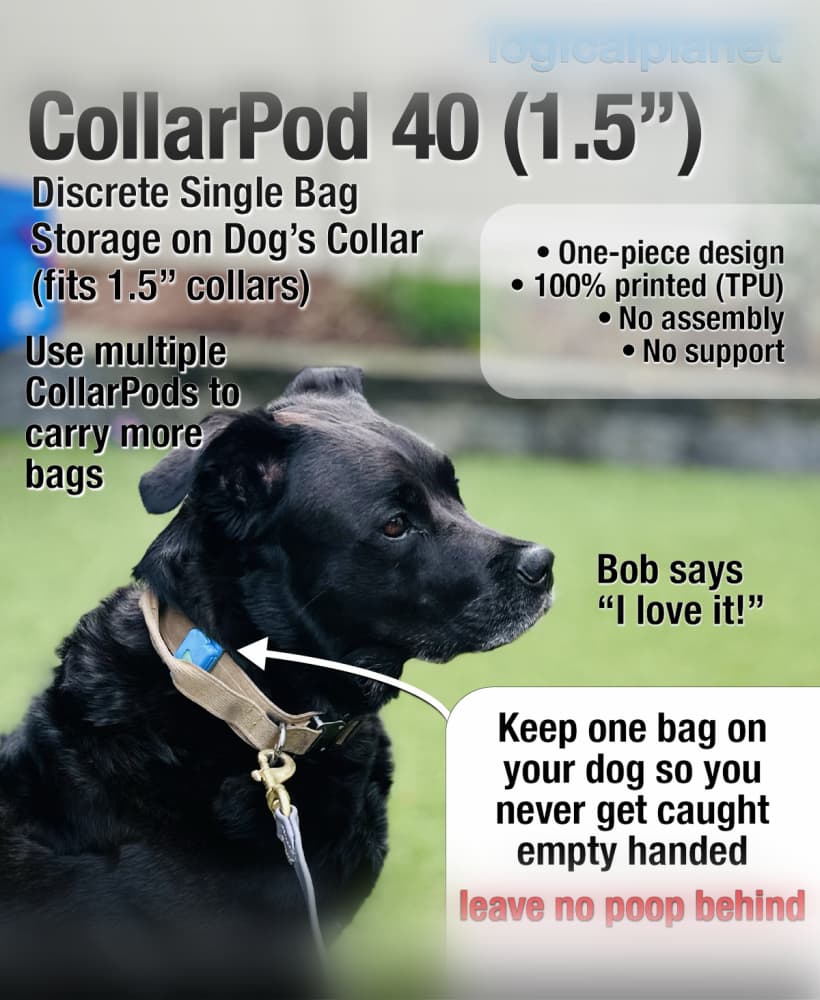
CollarPod 40 - Poop Bag Holder for Dog Collars - 1.5 Inch Collar - Single Piece TPU - No Assembly
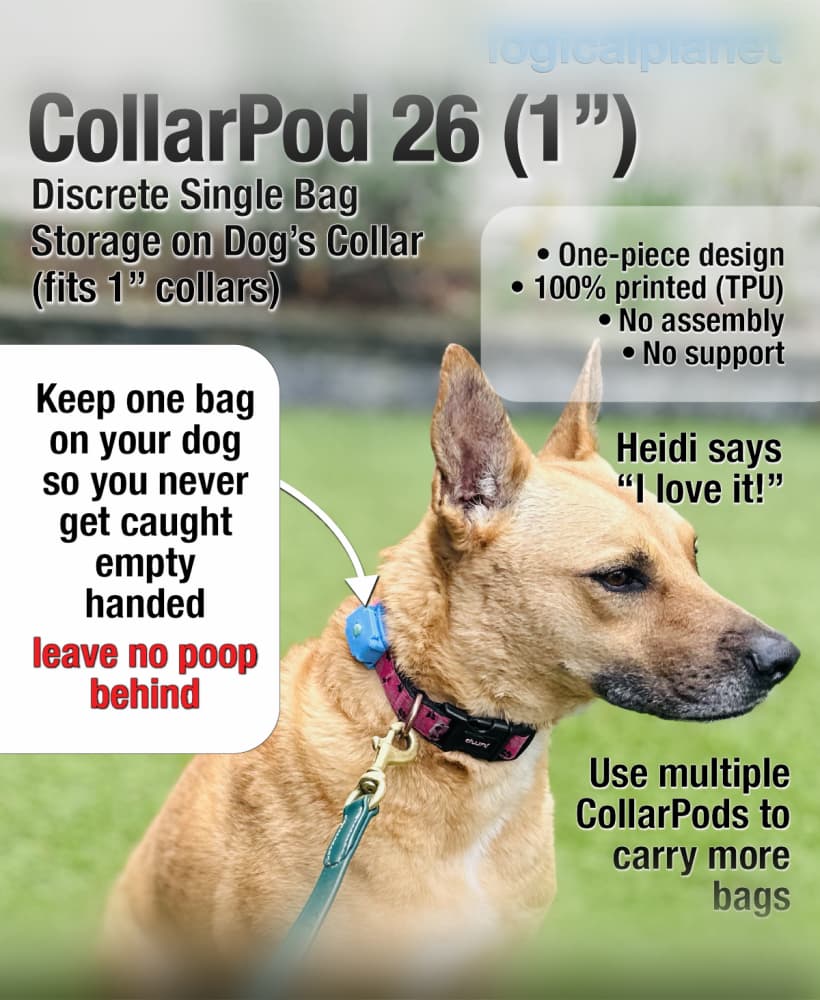
CollarPod 26 - Poop Bag Holder for Dog Collars - 1 Inch Collar - Single Piece TPU - No Assembly

CollarPod 17 - Poop Bag Holder for Dog Collars - 5/8 Inch Collar - Single Piece TPU - No Assembly
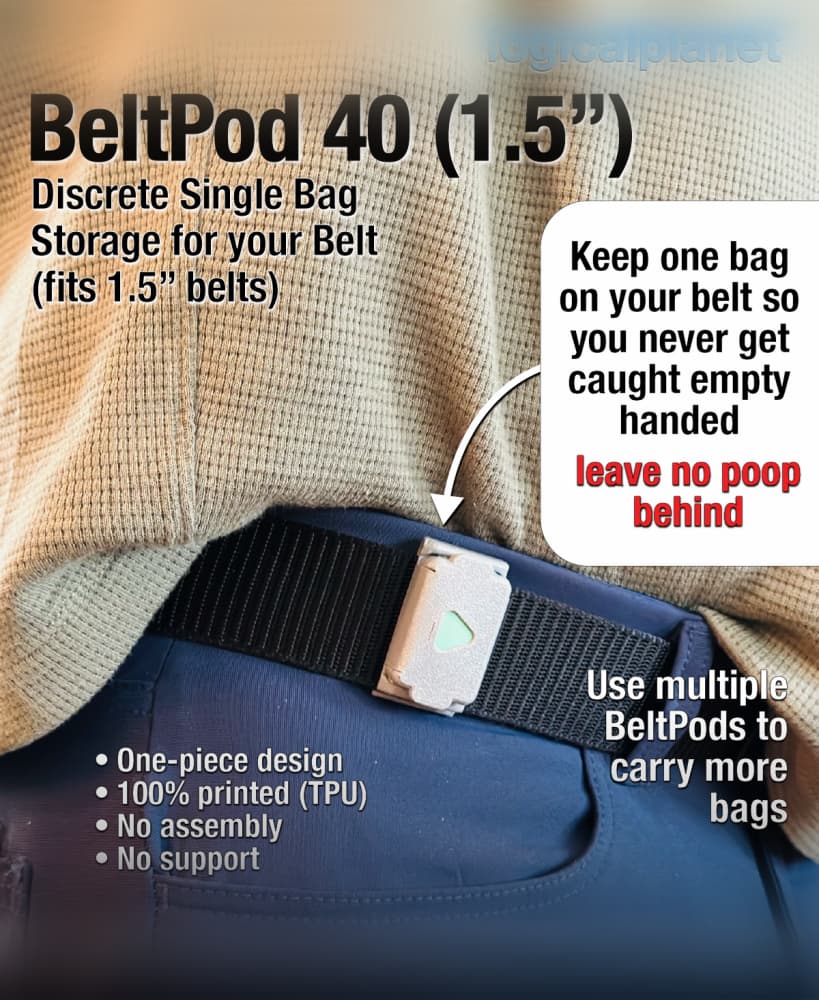
BeltPod 40 - Poop Bag Holder for Your Belt - Single Piece TPU - No Assembly

Logical Scraper B - 1 Piece No Screws No Assembly
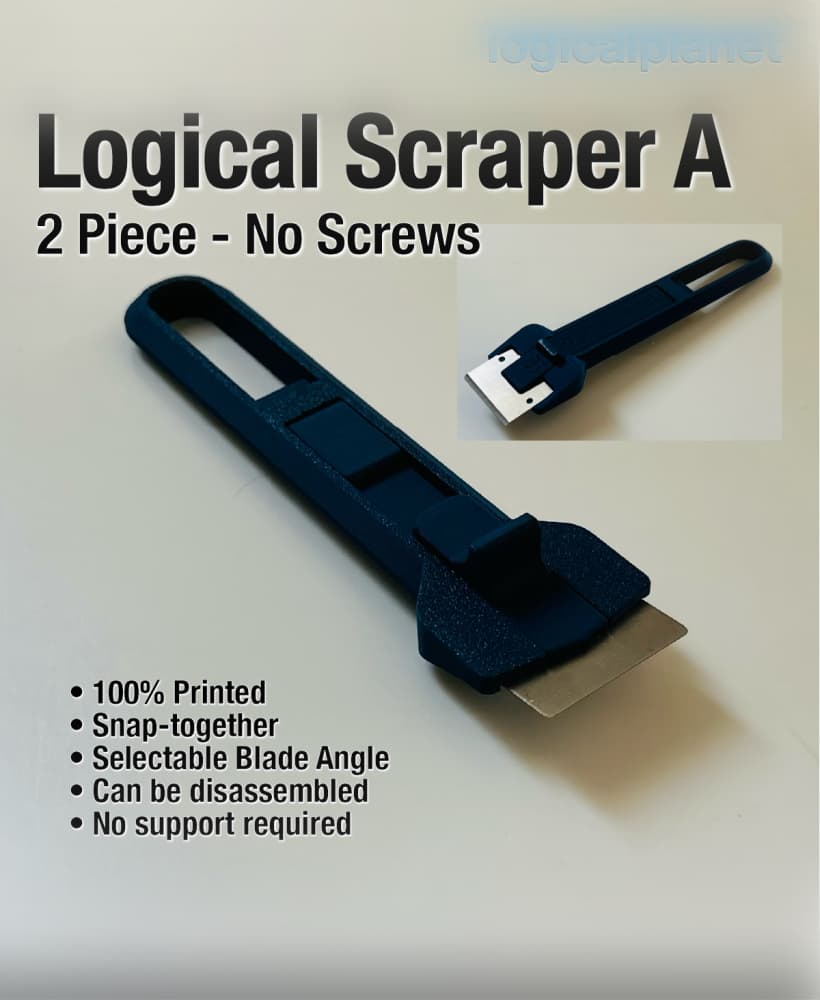
Logical Scraper A — 2 Piece, No Screws

LGP Self-Watering Tray — Modular Bottom Watering Reservoir for the Logical Grow Platform

LGP Single Cell ThirdTray — Modular Grow Cell for the Logical Grow Platform

LGP Single Cell HalfTray — Modular Grow Cell for the Logical Grow Platform

LGP 2×3 Cells XL HalfTray — Modular Seed Starting Tray for the Logical Grow Platform
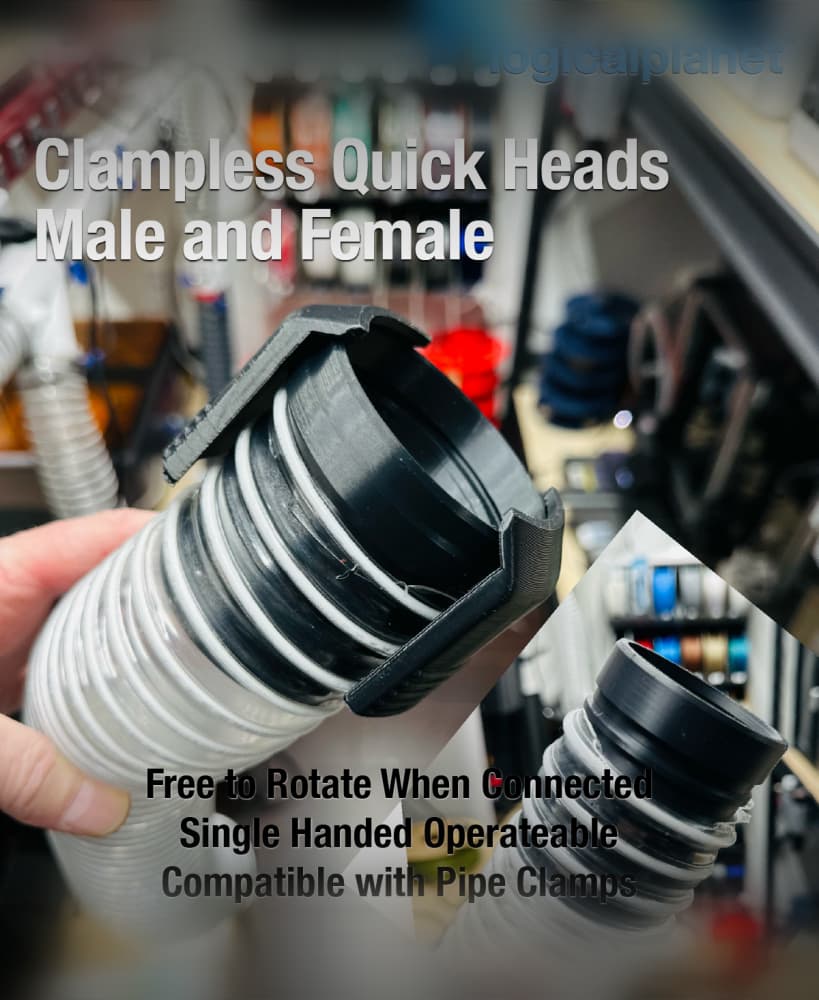
LPE25 Clampless Quick Connect
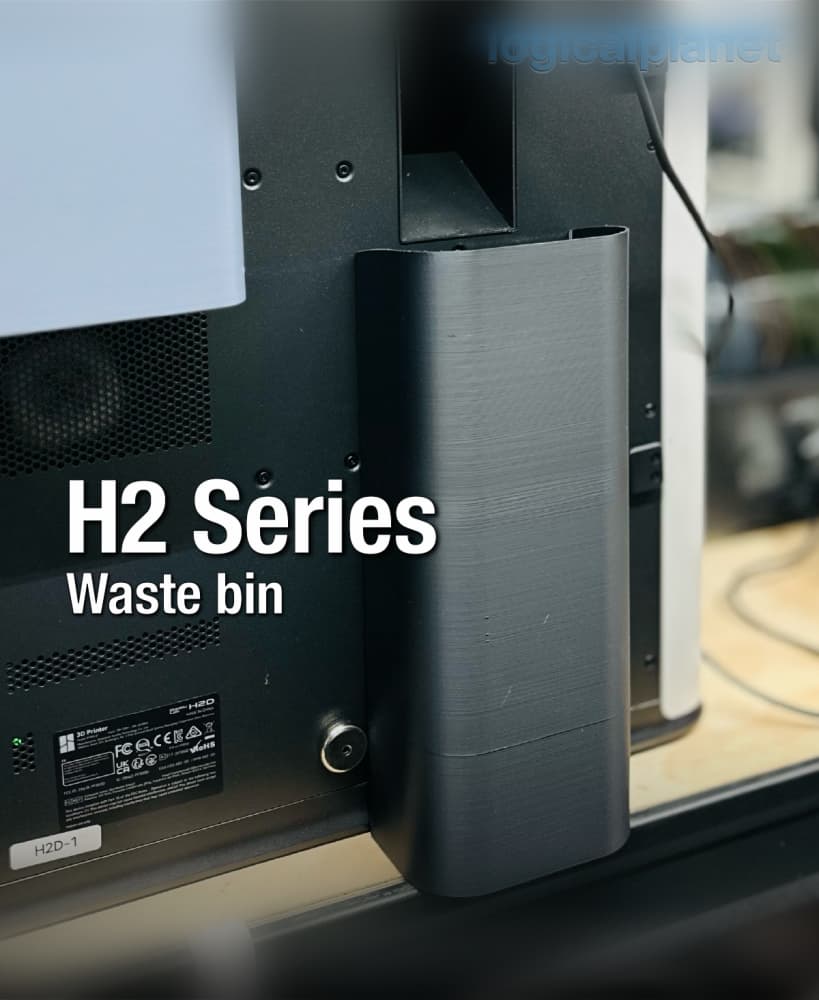
H2 Series Waste Bin
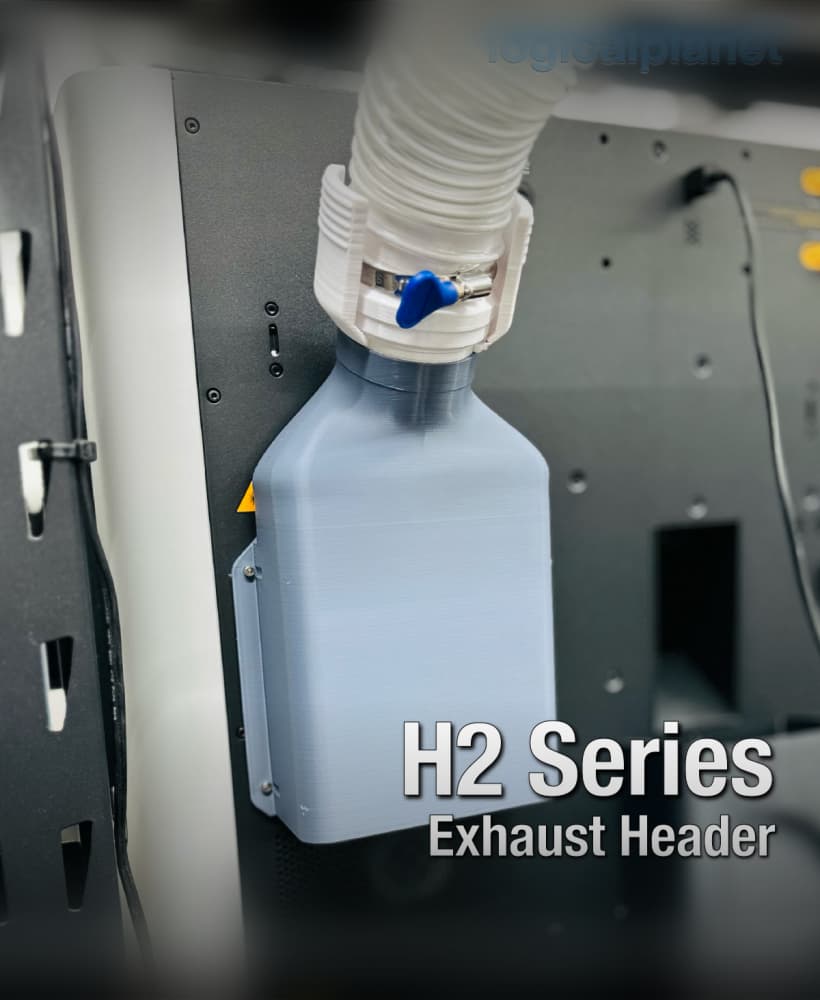
Exhaust Header for Bambu Lab H2 Series Printers

Lazy Susan 120 v3.0
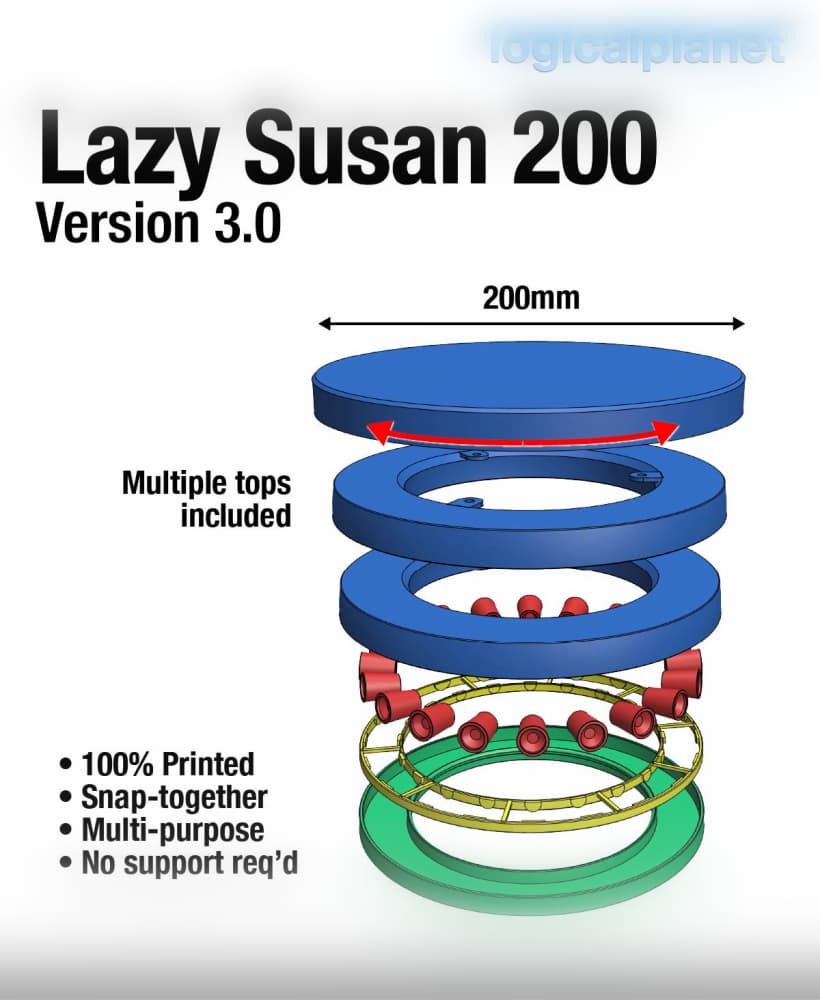
Lazy Susan 200 v3.0
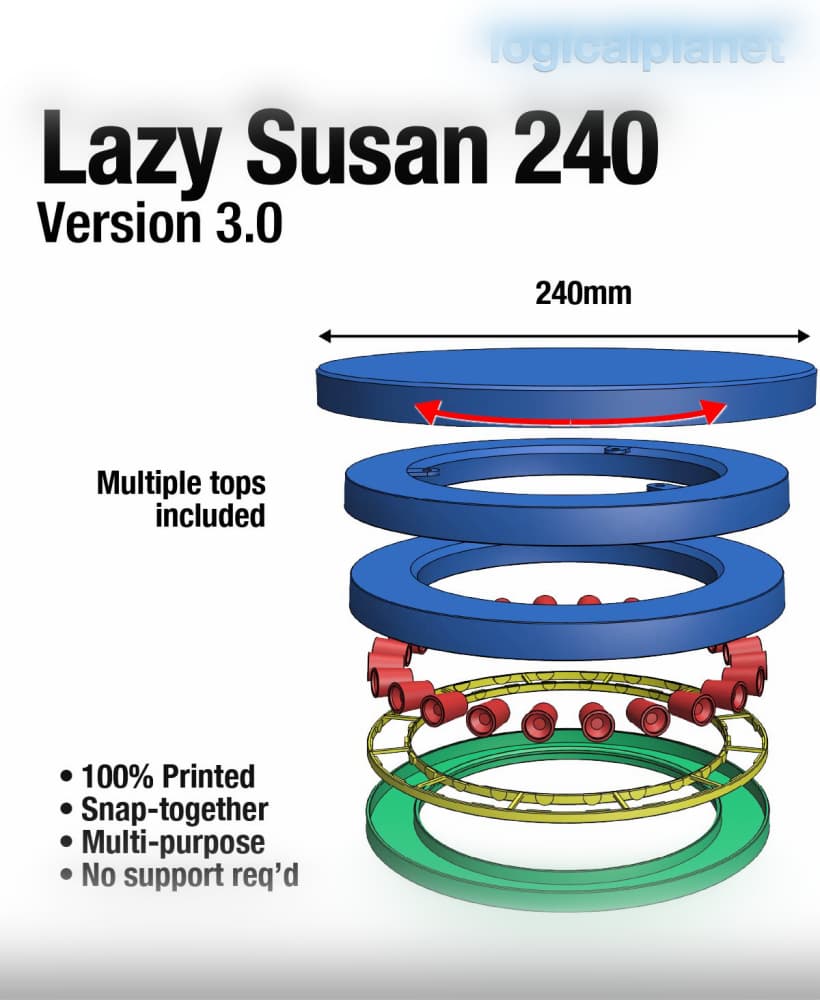
Lazy Susan 240 v3.0
I really like this model. It is very sturdy and the fit during assembly was excellent. The filaments used was Bambu Lab PLA Basic for most parts, and then Bambu Lab TPU 95A for the rollers. To make it work for my printer I made a print profile in Bambu Studio using the original creators suggested settings.
I kindly ask the creator for permission to publish this model with my print profile on Maker World, under a CC BY-NC-SA license.
It is now posted on makerworld...
https://makerworld.com/en/models/2621713-lazy-susan-160-v3-0#profileId-2893802
Hey Dennis, thanks so much for the kind words — and especially for documenting your print settings so thoroughly. TPU rollers on PLA structure is a great combo, and it sounds like your profile turned out really well.
I appreciate you asking permission rather than just posting — that means a lot.
After thinking it over, I've decided I'd prefer to keep distribution of my designs centralized under my own accounts so I can manage updates, licensing, and attribution consistently. Rather than having
Very nice looking model looking forward to printing it but I am going to modify it. I only found one source that has a rotating lazy Susan for display purposes. It has a small LED which I ended up cutting out and modifying so I could put a more substantial light up through the middle at any height. This does help display some of my 3D printed stuff. That would be a nice mod for your lazy Susan. I plan on putting an outer geared ring and a small motor from one of my RC planes so I can rotate it.
Love the idea. Can you send me some photos?