Behind The Designs: Rick Legaspi of Punchy’s Lab
We sit down with Rick Legaspi, the mind behind Punchy’s Lab.
In our latest Designer Spotlight, we sit down with Rick Legaspi, the mind behind Punchy’s Lab. Rick has carved out a unique and fascinating niche in the world of Japanese robots and Transformers, designing functional enhancements that allow collectors to bridge the gap between different product generations. Today, we discuss how 3D printing saved his workflow, his obsession with precision, and how Thangs helps him turn a passionate hobby into a global brand.
From Concept to 3D Model
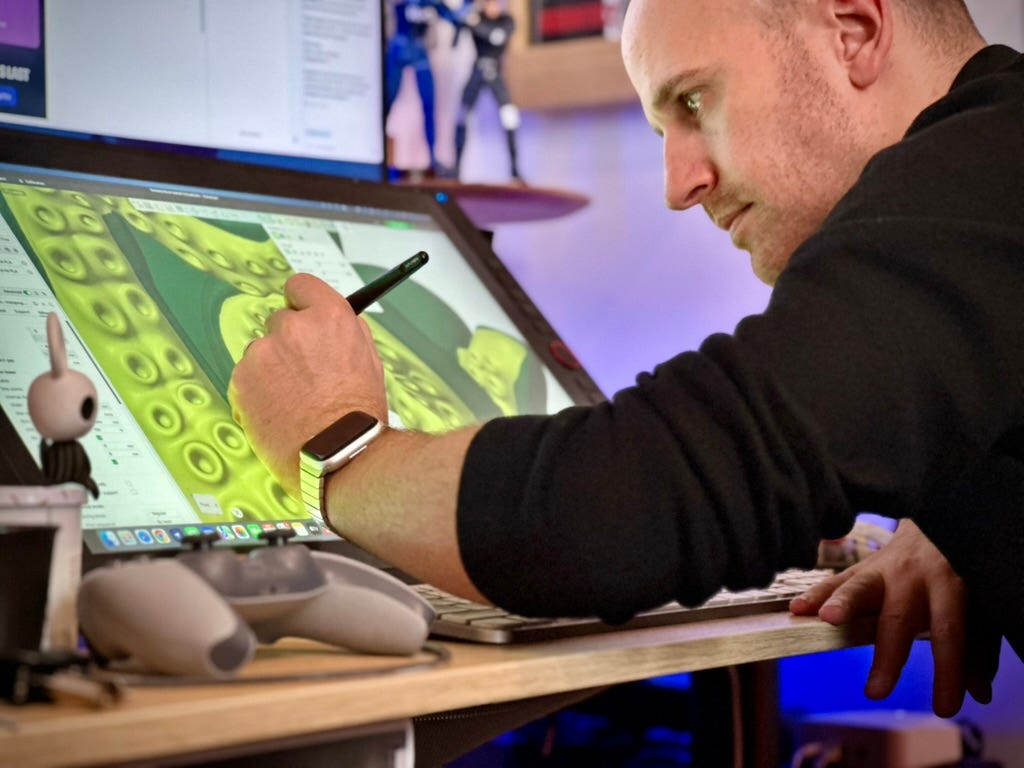
Rick first started with 3D design back in July 2018, born out of a very practical need to create symmetrical, detailed parts. As a dedicated fan of Gundam plastic model kits, he found that building custom parts by hand was incredibly labor-intensive and creating molds for just one part was inefficient. “It was very time and labor-intensive to get parts symmetrical,” Rick explains. “I saw 3D design and printing as a great way to solve this problem, allowing me to maintain detail and consistency while testing new ideas much faster.”
Eventually, he applied this same logic to his Transformers collection, focusing on identifying “product gaps” and creating enhancements that feel like a natural extension of the original figures.
The Creative Process
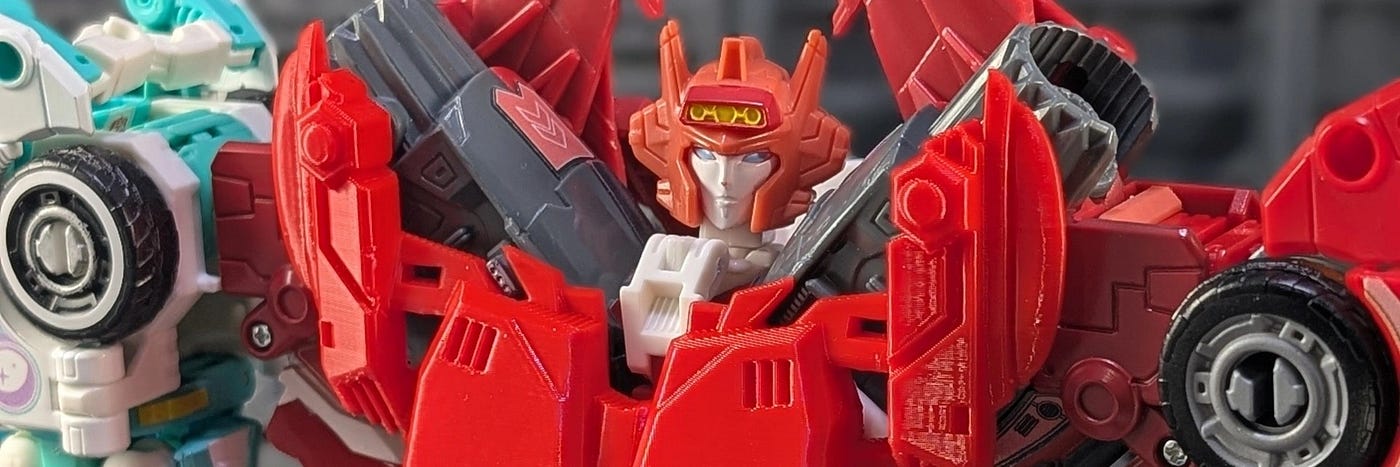
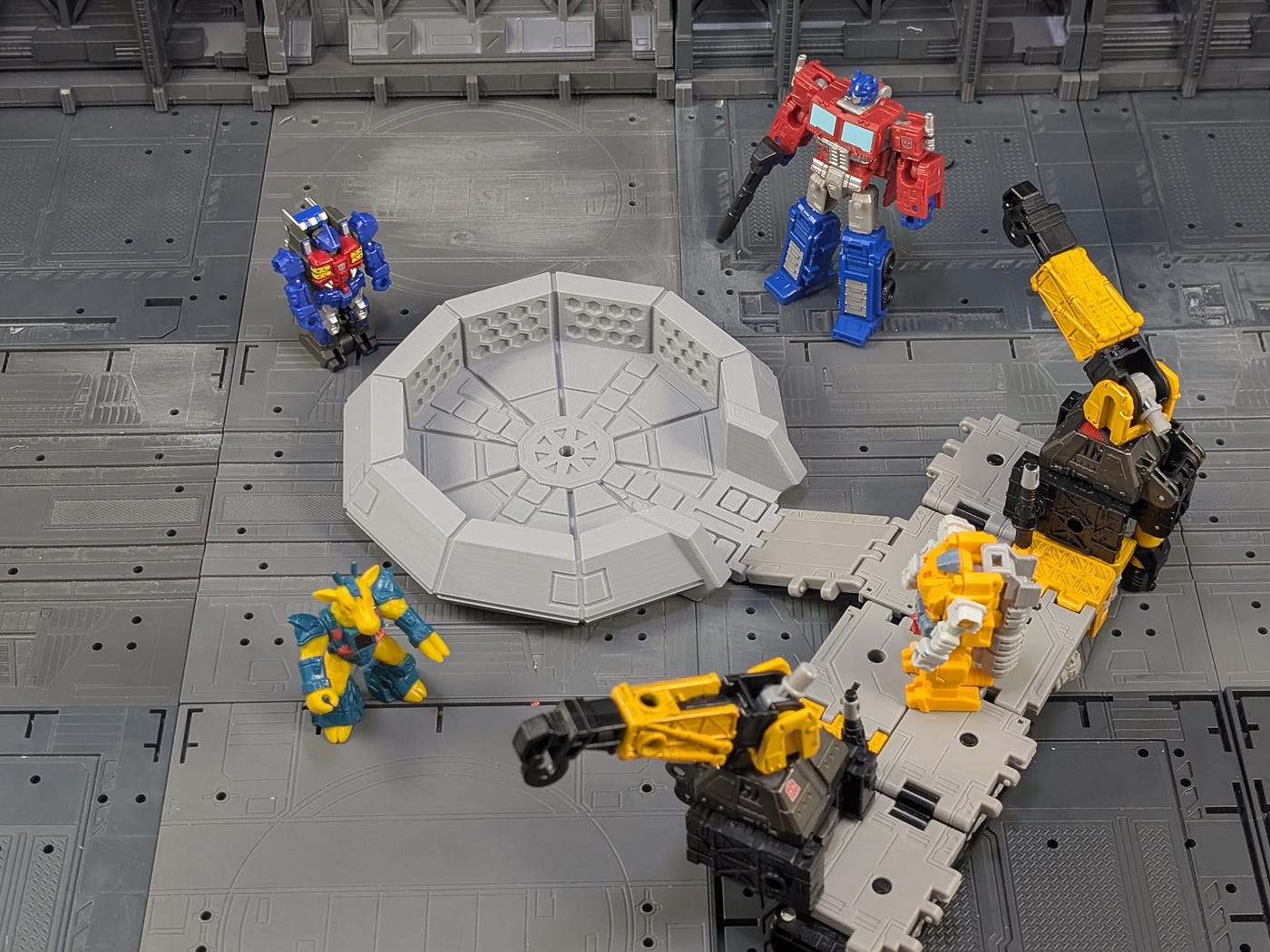
Q: How would you describe the type of designs you create and sell? “My designs center on identifying and filling product gaps. I develop functional enhancements that bridge the gap between different product generations. My goal is to create designs that feel like a natural extension of the original figure — making them look like they were always meant to be there.”
Q: What is your favorite 3D designing tool you can’t live without? “I’m a firm believer that the quality of your output is tied to the precision of your measurements. Getting digital calipers was a turning point for my workflow. By capturing dimensions with high accuracy from the start, I’ve been able to reduce my prototyping cycles and save a lot of time and material cost.”
Q: What kind of problem do you love solving most when you’re designing? “I enjoy solving problems that breathe new life into existing products. My niche involves identifying play patterns — the way a user interacts with a product — and designing adapters that allow older models to interface with new ones. It’s incredibly rewarding to take a retired figure from ten years ago and make it relevant again.”
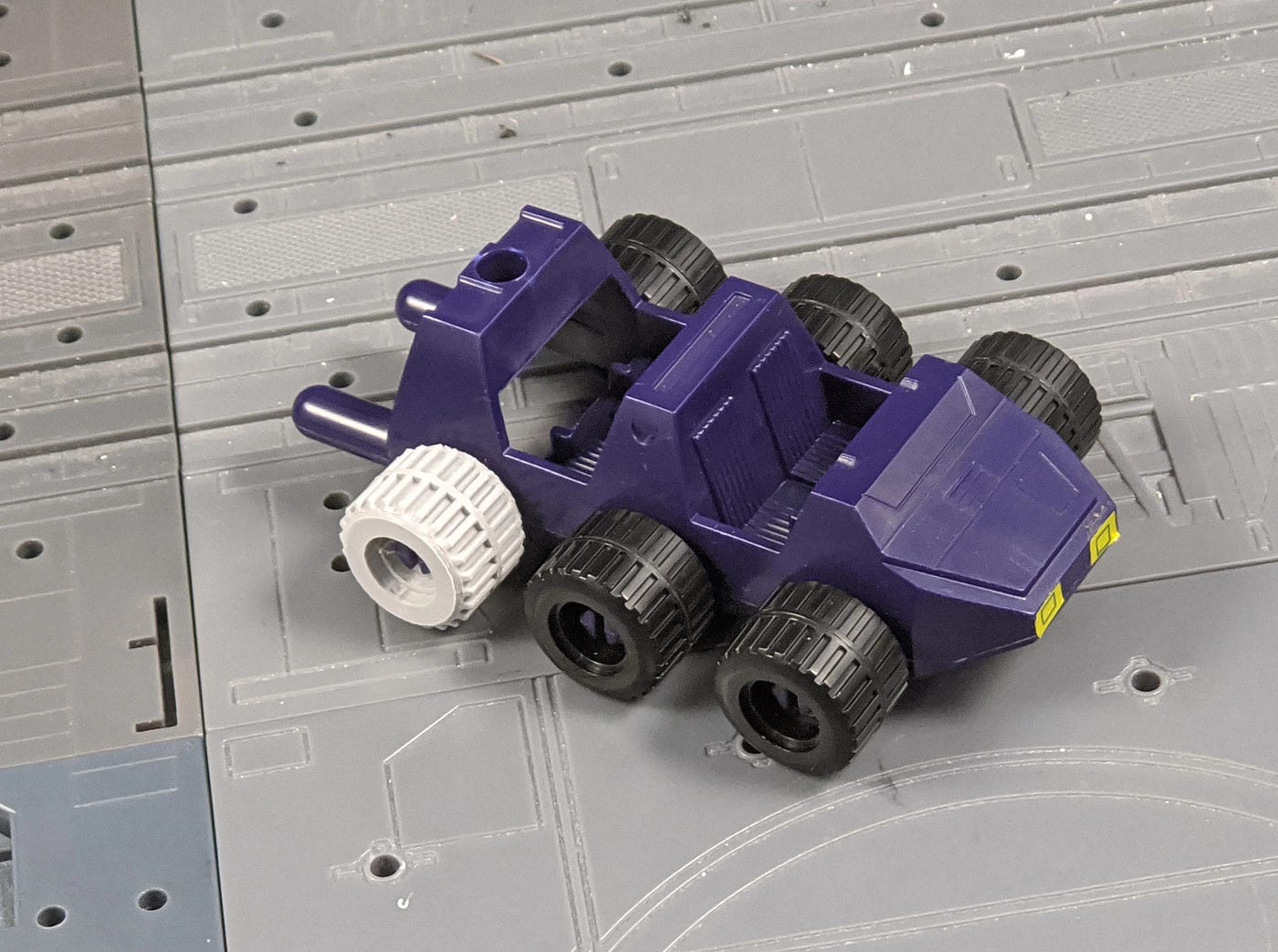
“3D design and sales is my hobby. My time is best spent solving problems and refining my models, while Thangs increases my visibility and Shapeways handles the logistics.”
Designing for the Future
For Rick, the shift from designing purely for “form” to designing for “manufacturing” was a major level-up in his work. By following educational creators like MakersMuse and Slant3D, he began designing with the slicing process in mind from the very first sketch.
“I now design with the orientation, layer adhesion, and wall thickness in mind from the start,” says Rick. “It creates parts that aren’t just aesthetically pleasing, but are better optimized for structural integrity and print efficiency.”
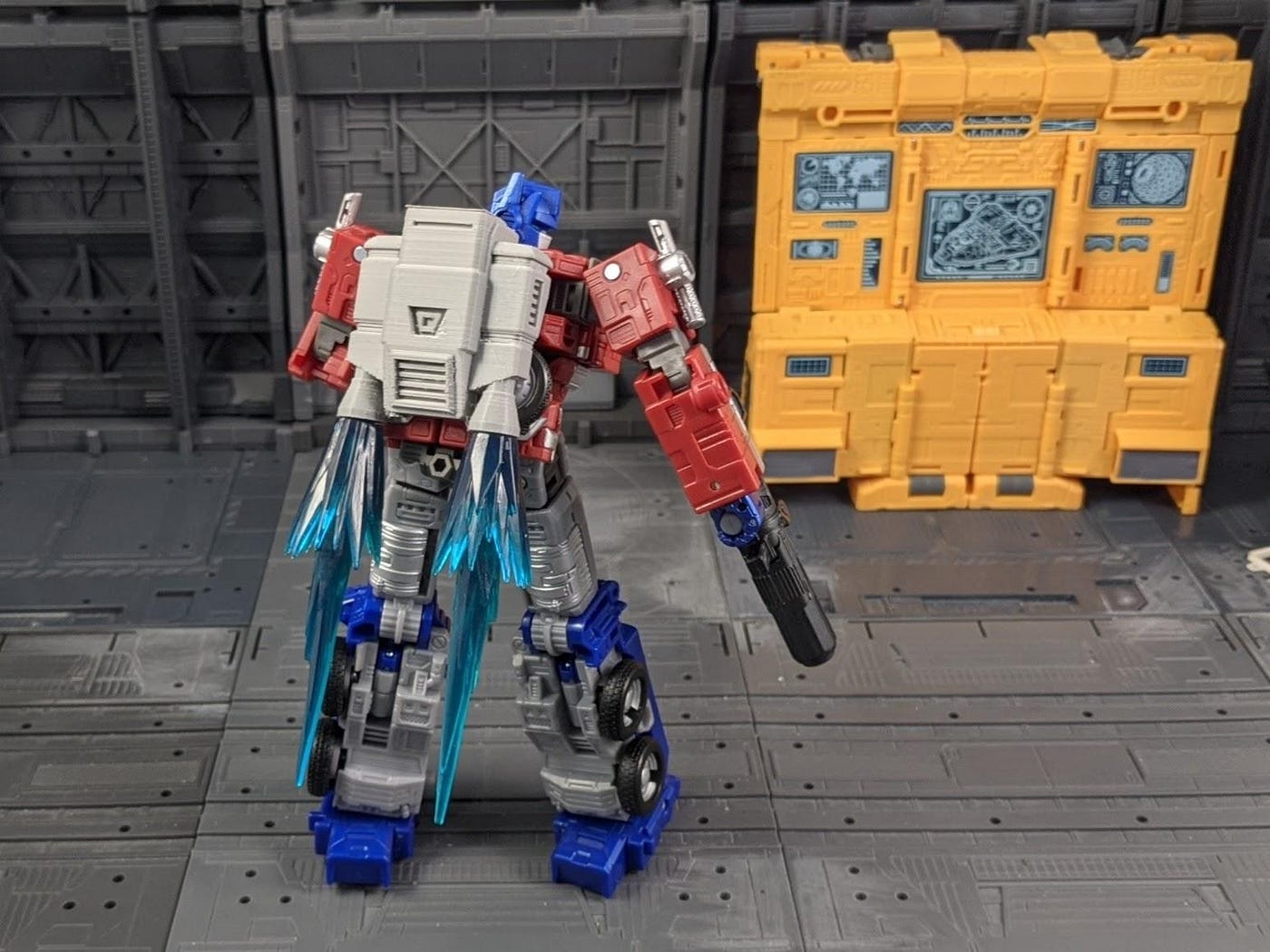
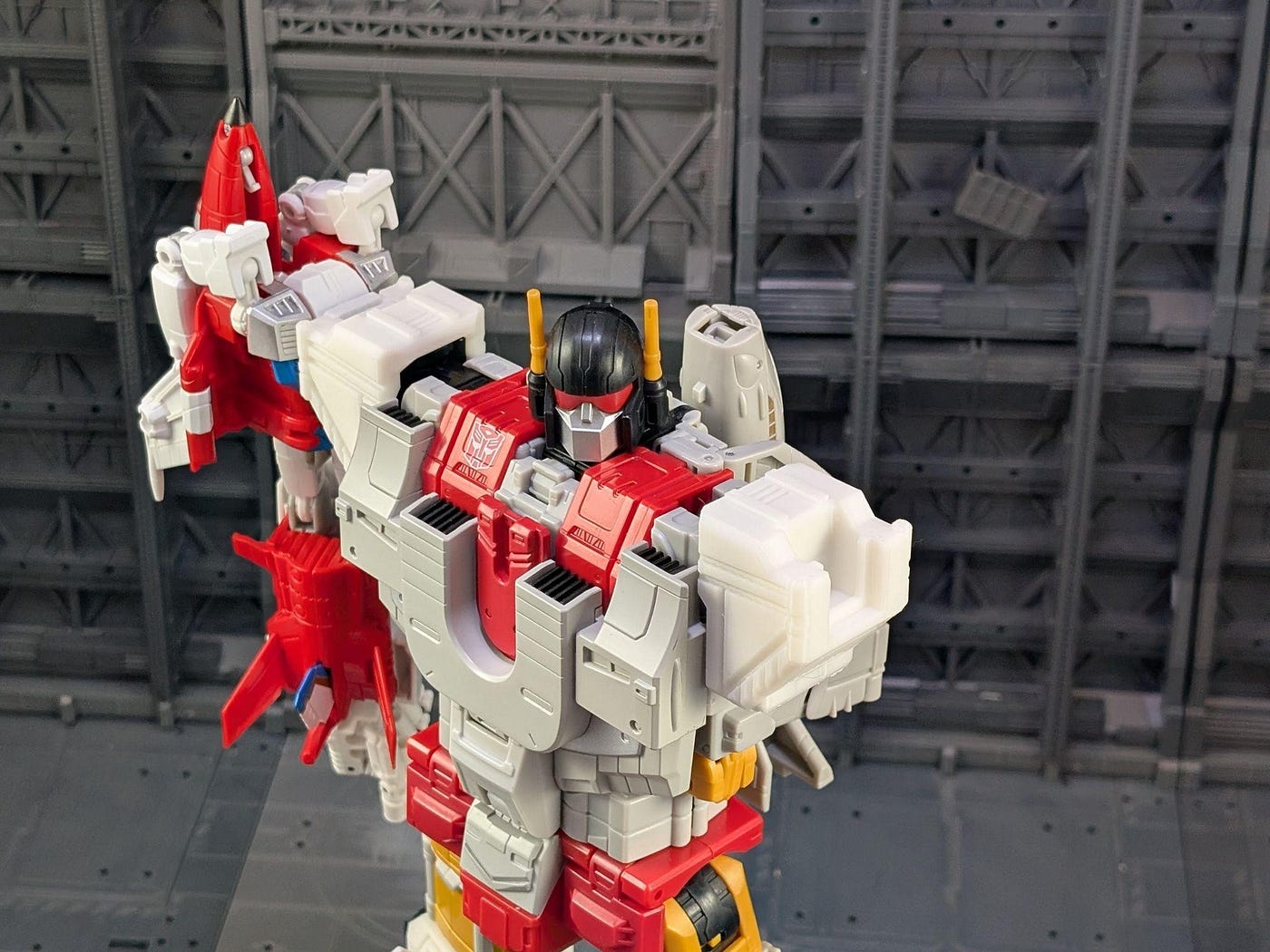
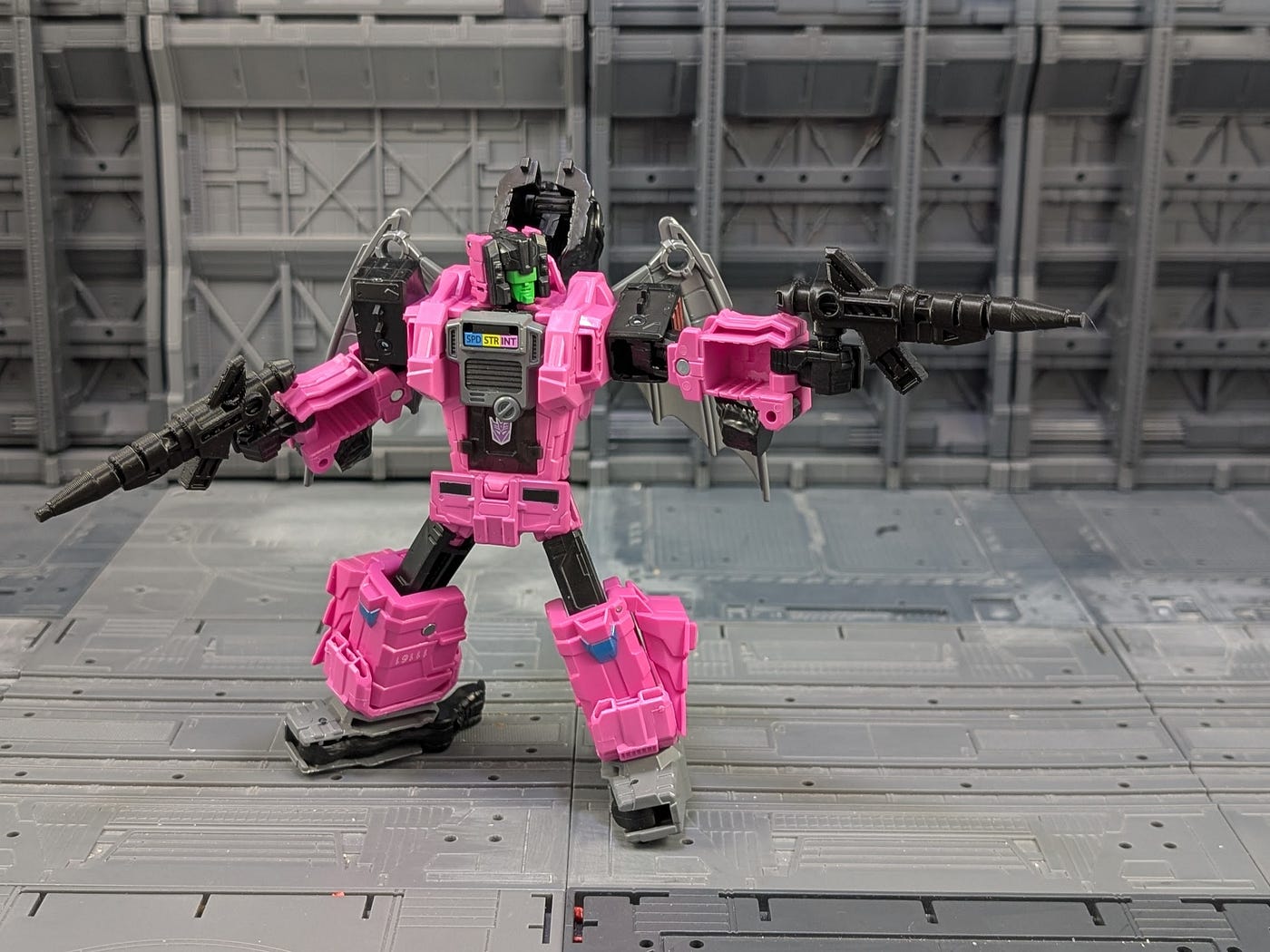
This focus on real-world utility is evident in his proudest design: a set of adapter parts that bridge the Combiner Wars Transformers with the modern Legacy and Age of the Primes lines. By bridging toy lines that are a decade apart, Rick helps collectors maintain the value and “playability” of their entire collection.
Advice for Newcomers
Rick’s advice for those just entering the field is simple: don’t let the pursuit of perfection slow you down.
“My advice is to just get started. Focus on momentum instead of perfection. Don’t be concerned with getting your designs perfect on the first try. 3D design is a very forgiving medium; you can always revisit and optimize previous work as you grow and gain confidence.”
Where to Find Punchy’s Lab
Check out Punchy’s Lab on Thangs, or follow them on Instagram.
.png)