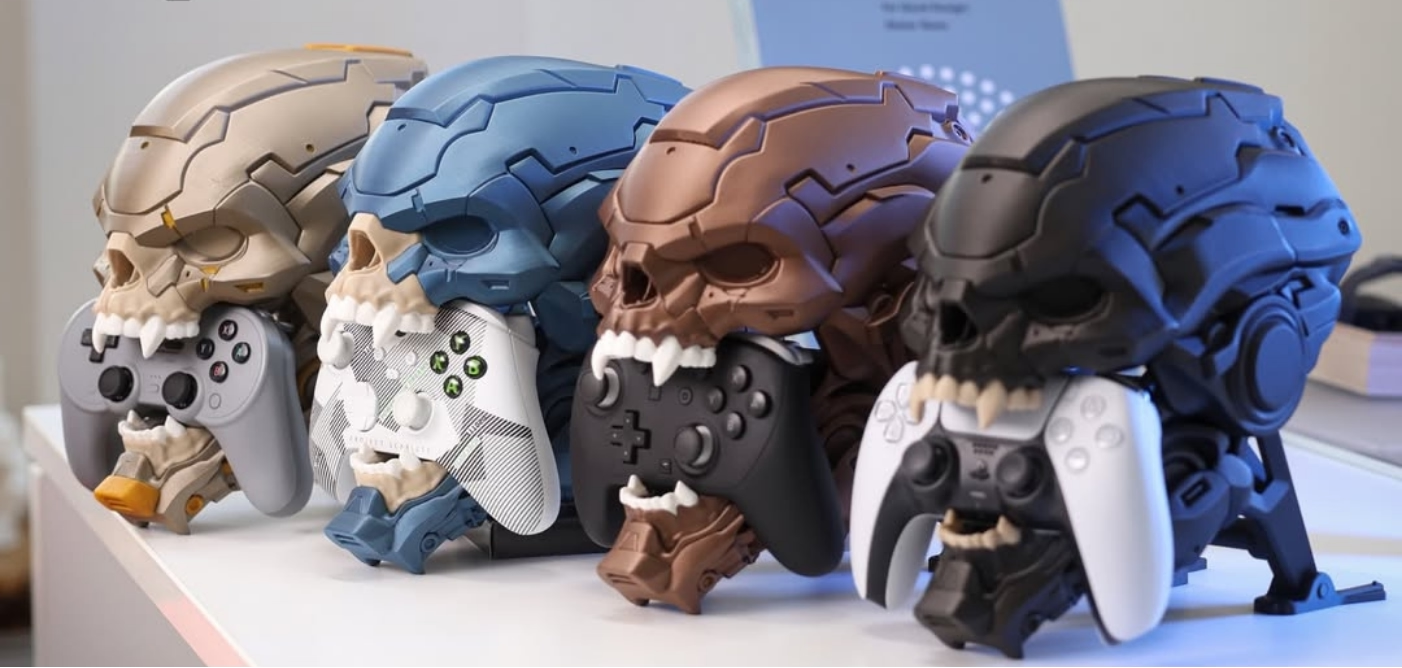
Fused Deposition Modeling (FDM) is one of the most widely used and accessible 3D printing technologies, known for its affordability, versatility, and ease of use. This process builds objects layer by layer by melting a thermoplastic filament and extruding it through a heated nozzle onto a build platform, where it solidifies to form the final shape. FDM is widely used by hobbyists, makers, product designers, and engineers due to its cost-effectiveness and material variety. It’s the same technology found in at-home 3D printers and large-scale print farms, making it one of the most recognizable and scalable methods of 3D printing. Over the years, advancements in consumer FDM printers—popularized by brands like Bambu Lab, Prusa, and Creality—have lowered the barrier to entry, making maintenance and troubleshooting easier than ever before. With print-on-demand services, FDM printing is now more accessible and reliable, allowing users to create high-quality, functional parts without owning a 3D printer.
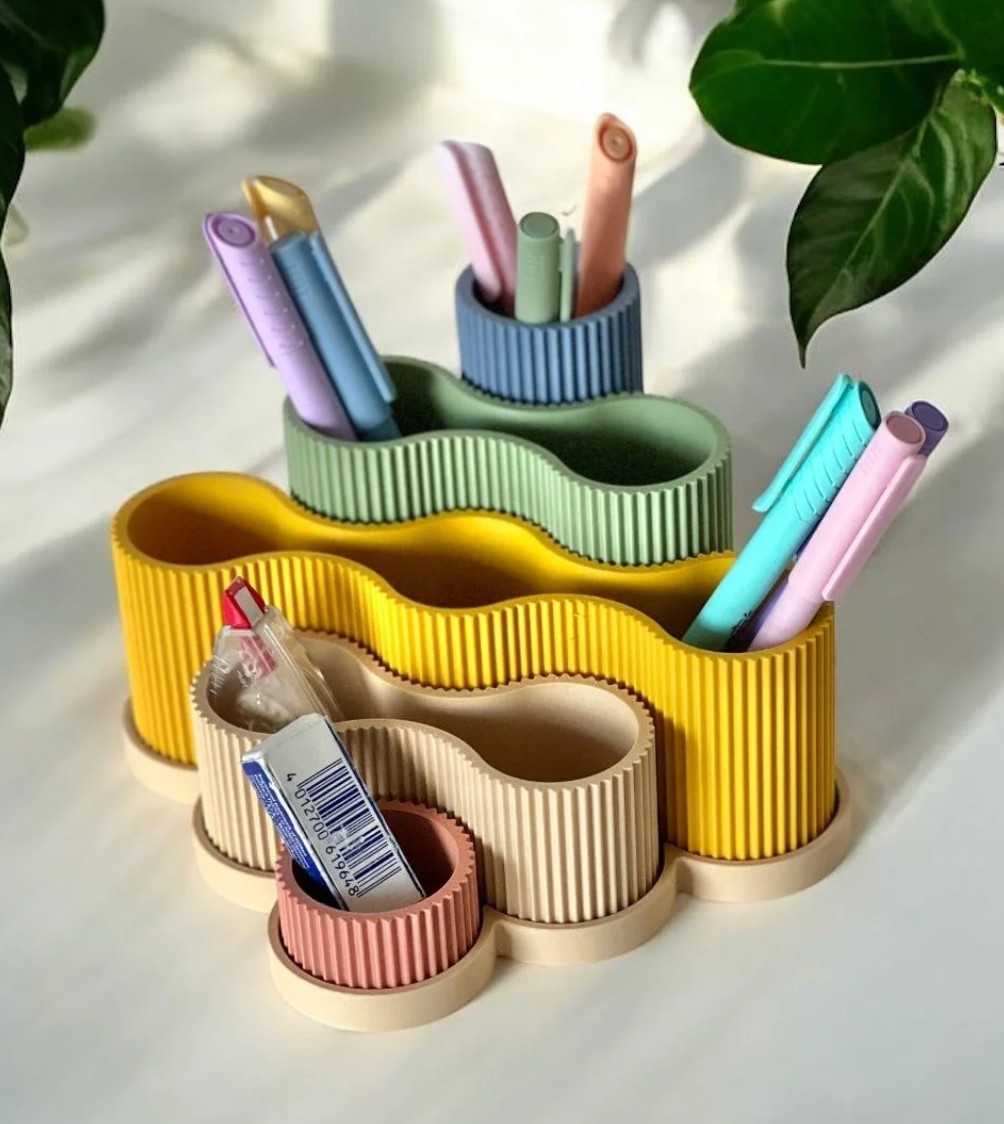
FDM excels at creating strong, functional parts for both prototyping and everyday use. Some of the best applications include:
Functional Prototypes & Mechanical Parts
Durable, real-world testing parts for engineering and product design.
Props & Cosplay Accessories
Large, lightweight, and affordable prop-making materials.
Home Decor & Utility Items
Custom storage solutions, organizers, and home accessories.
Tabletop Gaming & Articulated Models
Print miniatures, game pieces, and flexible models with moving parts.
Consumer Products & Custom Gadgets
Affordable, customizable solutions for personal or commercial use.
If you’re looking for a cost-effective way to prototype, build functional parts, or create unique objects, FDM is the perfect choice.
Materials
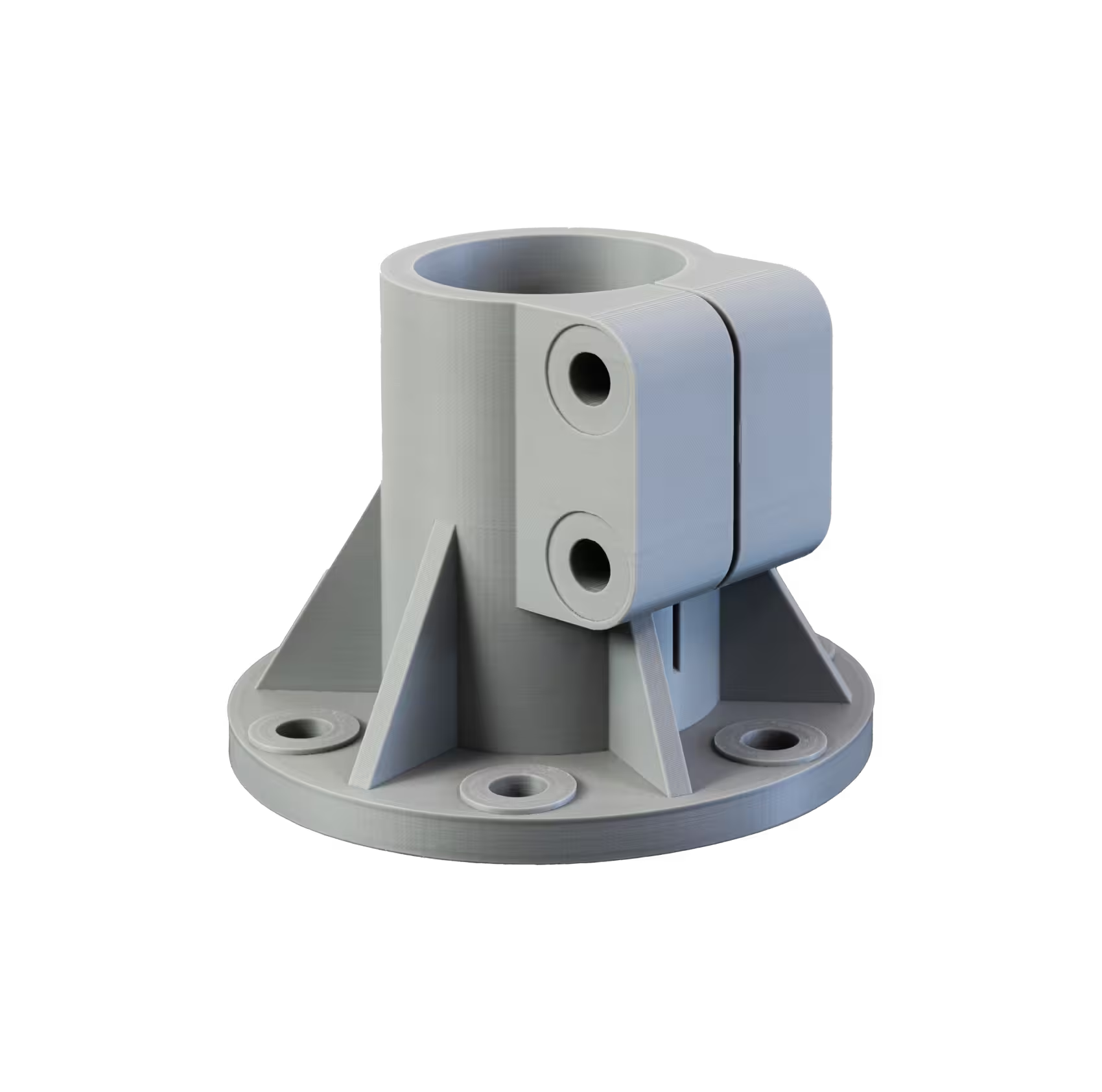
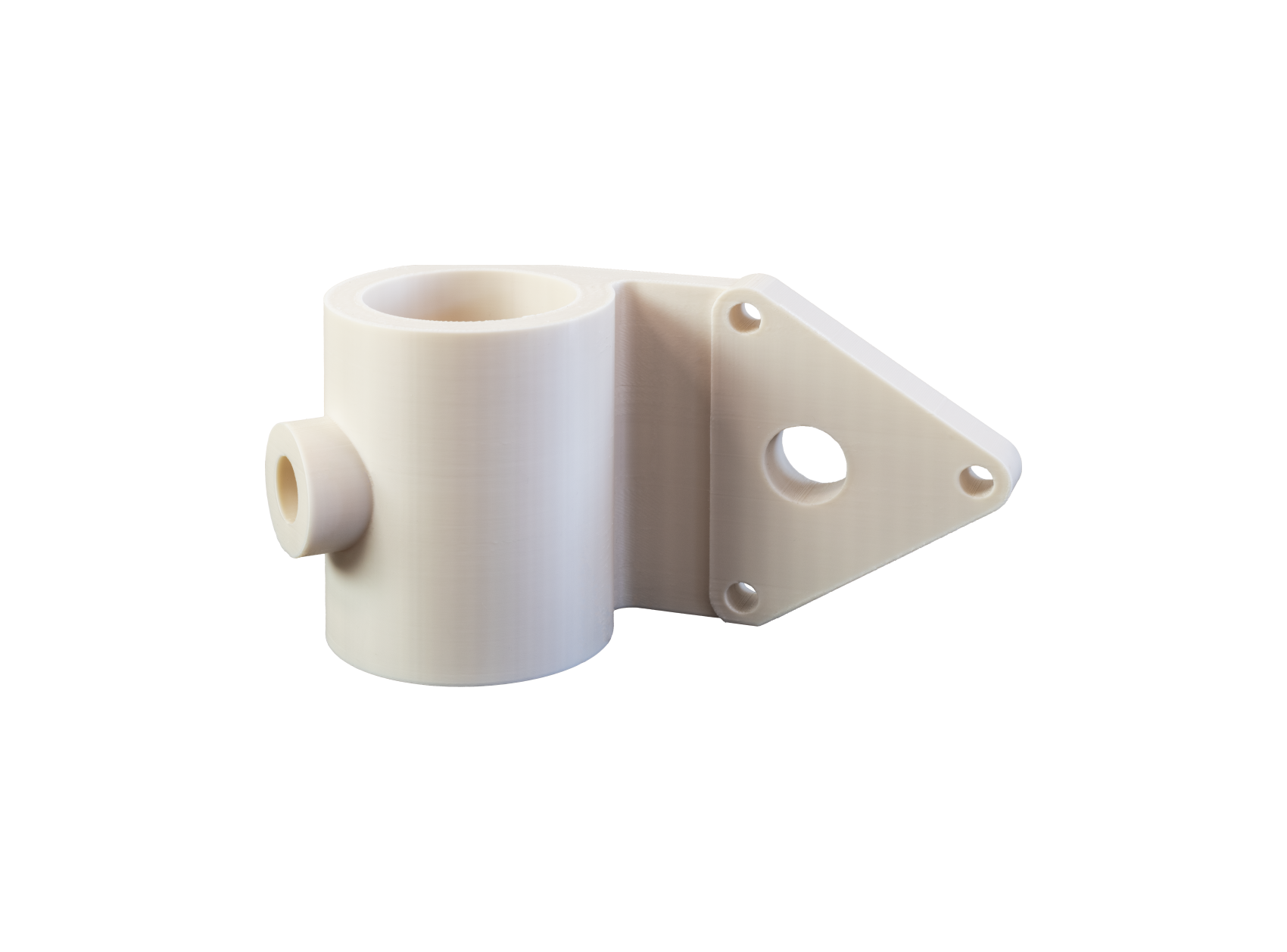
Tough & Impact-Resistant
A strong, heat-resistant material great for:
- Mechanical parts, enclosures, and functional prototypes
- Durability and impact resistance
- Can be post-processed with acetone vapor smoothing
Food-Safe & Versatile
Commonly used for:
- Consumer product prototypes and packaging models
- Food-safe applications
- Recyclable and chemical-resistant
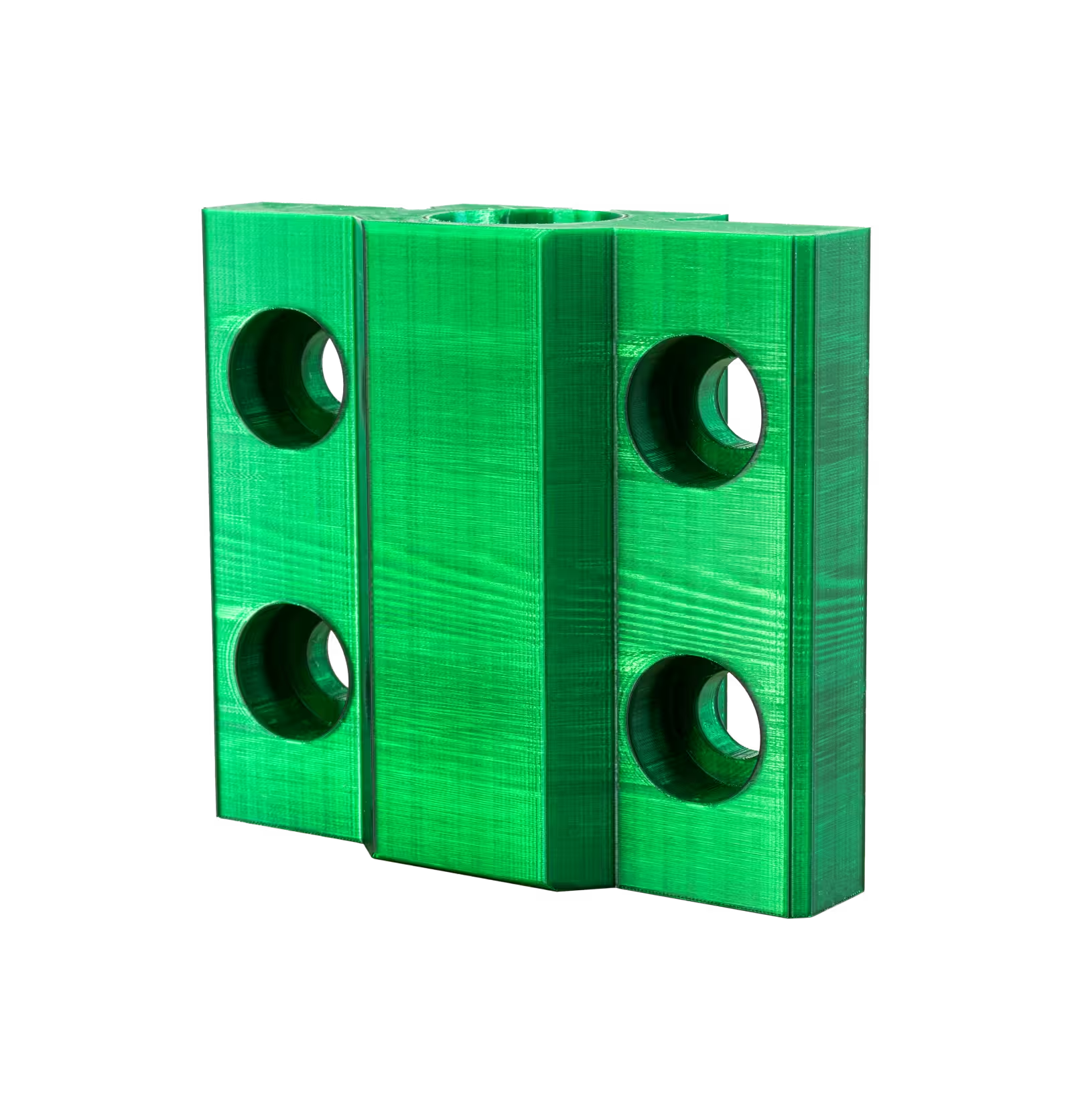
UV-Resistant & Weatherproof
Similar to ABS but with enhanced resistance to sunlight and weather, ideal for:
- Outdoor components, signage, and automotive applications
- Great mechanical strength and impact resistance
- Fade-resistant in prolonged UV exposure
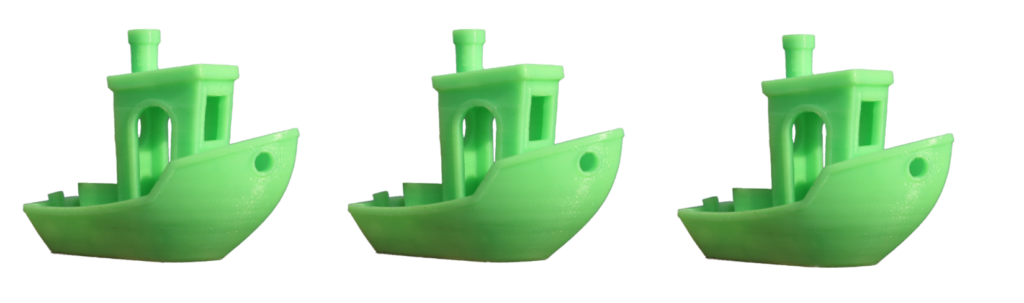
Flexible & Chemical-Resistant
An easy-to-print, semi-flexible material that balances strength and ease of use:
- Ideal for wearables, medical applications, and protective casings
- Resistant to chemicals, moisture, and temperature variations
- Less brittle than ABS, more durable than PLA
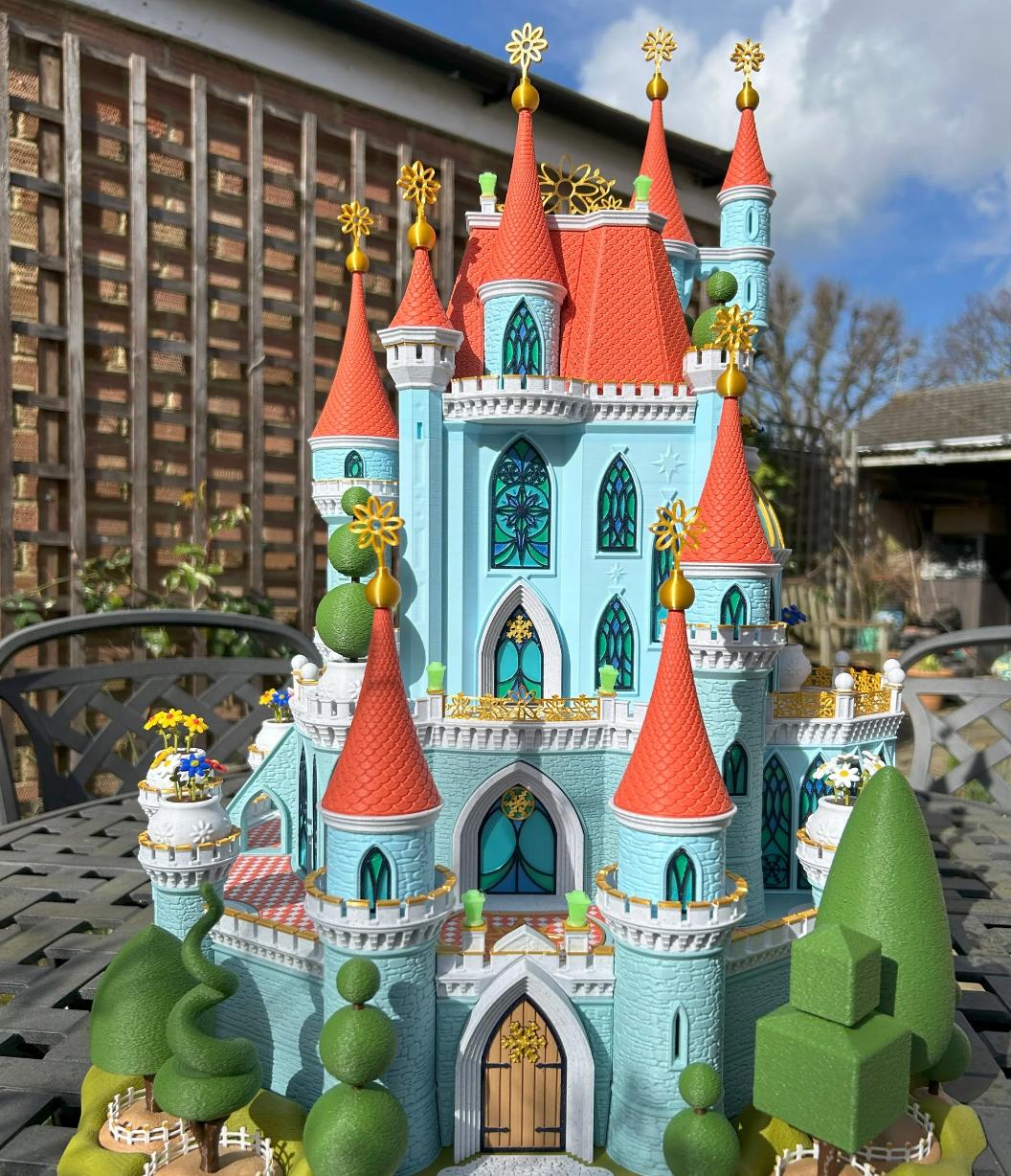
Easy to Use & Versatile
A user-friendly material great for:
- Everyday prototyping, figurines, and creative projects
- Wide range of vibrant colors and finishes
- Biodegradable and low-odor printing
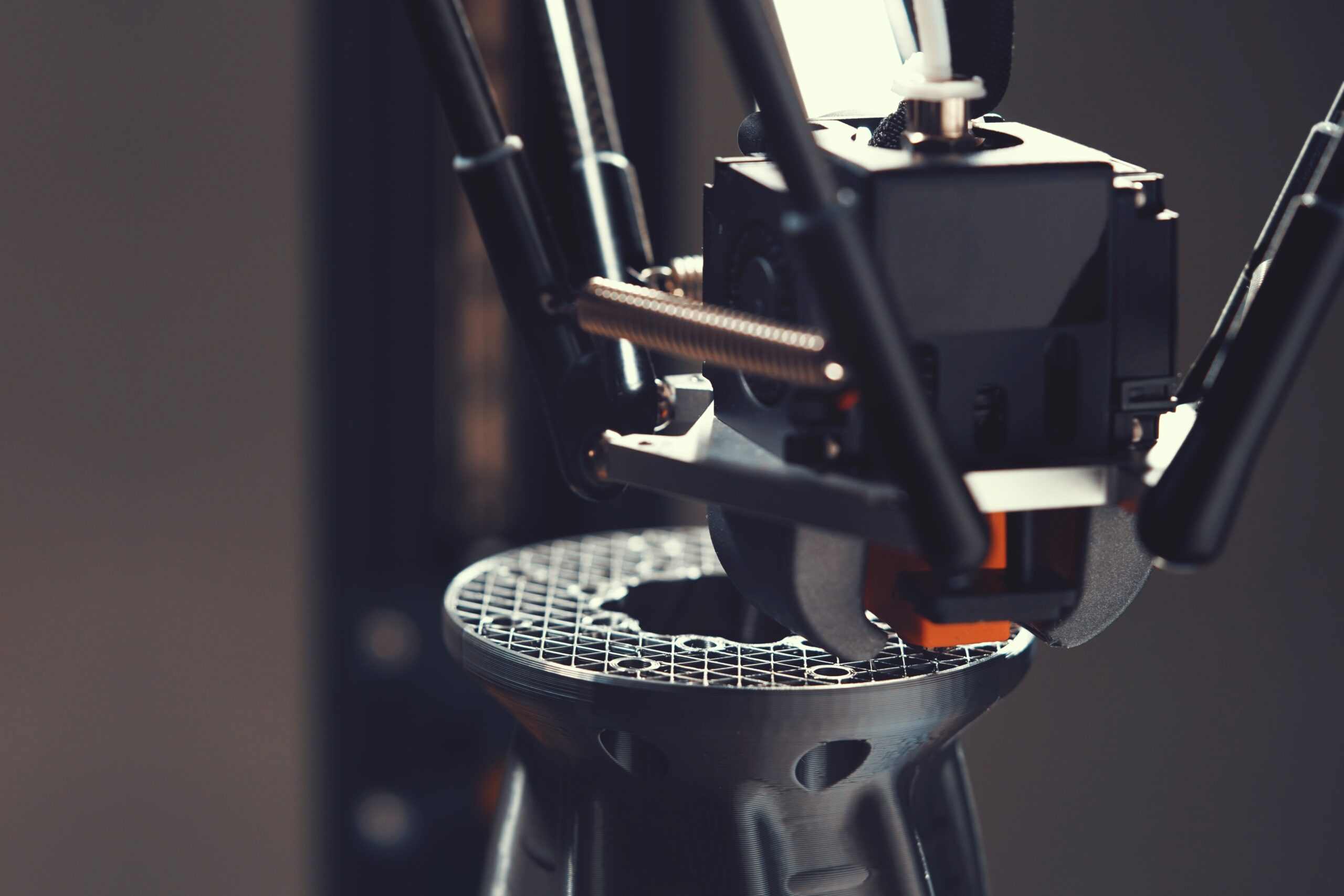
A thermoplastic filament is heated in a nozzle and extruded onto the print bed.
The printer moves in layers, depositing melted material one layer at a time.
The material cools and solidifies, bonding each layer together.
Supports are added when needed for overhangs and complex geometries.
Once complete, the print is removed from the bed and post-processed as needed.
Design guidelines
x
x
x
x

x
x

x
x

x
x

x
x

x
x
.jpg)
x
x

x
x
x
x
x
x
x
x
x
x

x
x
x
x
x
x
Lorem ipsum dolor sit amet, consectetur adipiscing elit, sed do eiusmod tempor incididunt ut labore et dolore magna aliqua. Ut enim ad minim veniam, quis nostrud exercitation ullamco laboris nisi ut aliquip ex ea commodo consequat. Duis aute irure dolor in reprehenderit in voluptate velit esse cillum dolore eu fugiat nulla pariatur.


