
Cast Metals, also known as Lost Wax Casting, is a centuries-old metal casting technique used to create intricate jewelry, sculptures, and functional metal objects. By using 3D printing to create precise wax patterns, designers can achieve exceptional detail, complex shapes, and professional finishes that would be difficult or impossible with traditional metalworking techniques. This method is perfect for crafting custom jewelry, decorative home goods, collectible miniatures, and one-of-a-kind accessories. With a variety of metal options and post-processing techniques like polishing and plating, wax casting combines tradition with modern innovation to bring your most intricate designs to life.
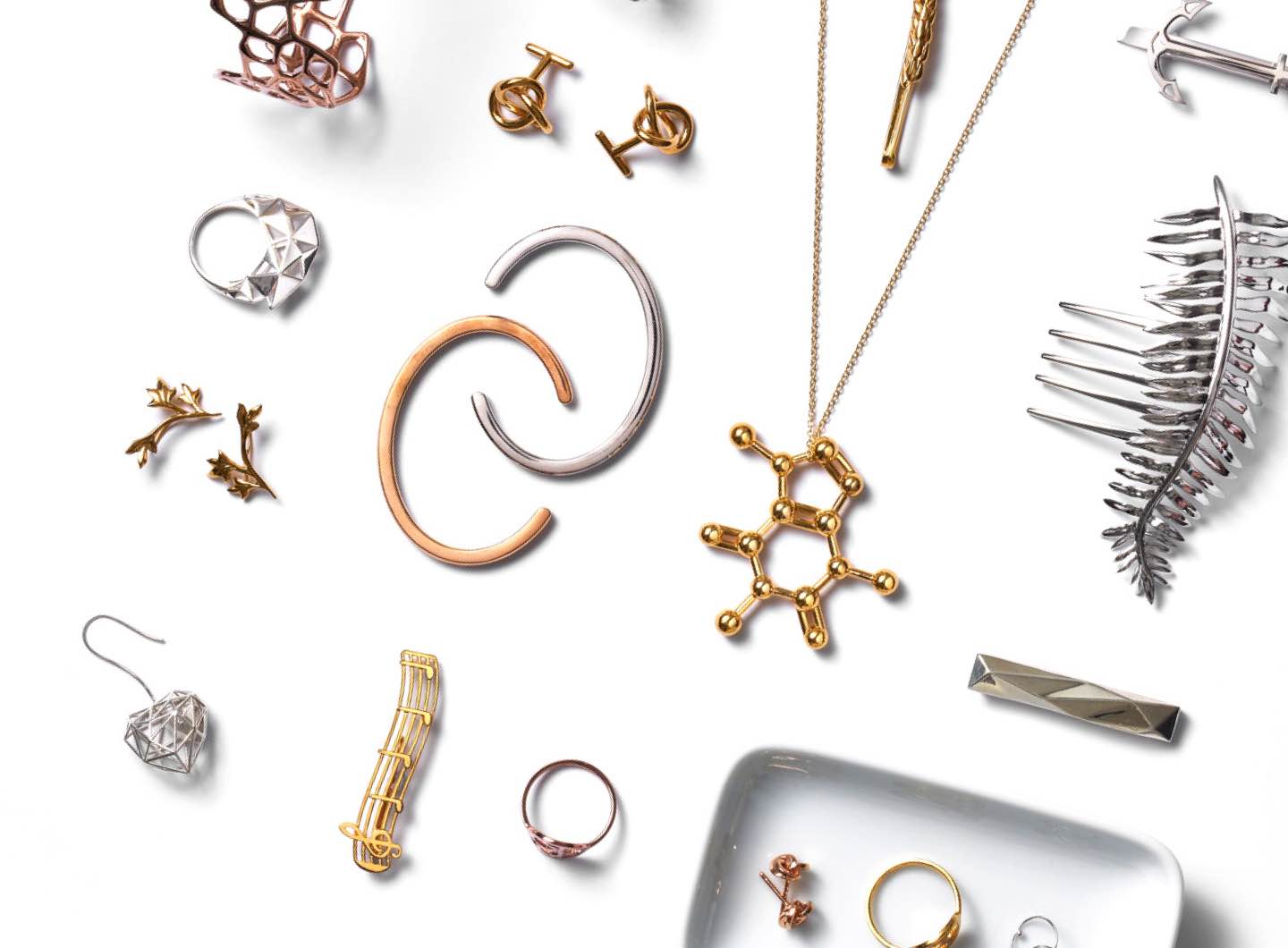
Cast Metals are ideal for projects that require fine details, smooth finishes, and unique metal properties. Some of the most common applications include:
Custom Jewelry & Rings
Create intricate, high-quality jewelry in gold, silver, platinum, and bronze.
Art & Sculptures
Produce detailed, ornamental, or miniature sculptures with a professional finish.
Home Decor & Accessories
Design custom brass, bronze, or copper decor pieces for a unique touch.
Interlocking & Moving Parts
Craft mechanical or fashion accessories with built-in moving components.
Personalized Gifts & Collectibles
Bring customized metal products to life, from keychains to designer keepsakes.
If your design requires intricate patterns, fine engravings, or custom metal finishes, Wax Casting is the perfect technique.
Materials

Versatile & Durable
A copper alloy (80% copper, 15% zinc, 5% tin) that’s great for:
- Jewelry, miniatures, and home decor
- Rich, golden hue with excellent engraving and etching capabilities
- May develop a natural patina over time but can be polished to restore shine
Plating options: Gold or Rhodium for additional color and tarnish resistance

Classic & Elegant
A copper-tin alloy (90% copper, 10% tin) with a deep, reddish hue, often used for:
- Vintage-style jewelry and artistic sculptures
- Unique marbled effect with silver highlights
- Natural oxidation over time, enhancing its antique appearance
Can be polished to maintain its original shine

Bold & Timeless
100% pure copper, offering a vibrant red-orange color that naturally patinas into greenish or brown hues. Ideal for:
- Jewelry, accessories, and decorative objects
- Antique or industrial-style designs
- Naturally corrosion-resistant due to oxidation
Patina can be maintained or polished away depending on the desired look.
Premium & Highly Polishable
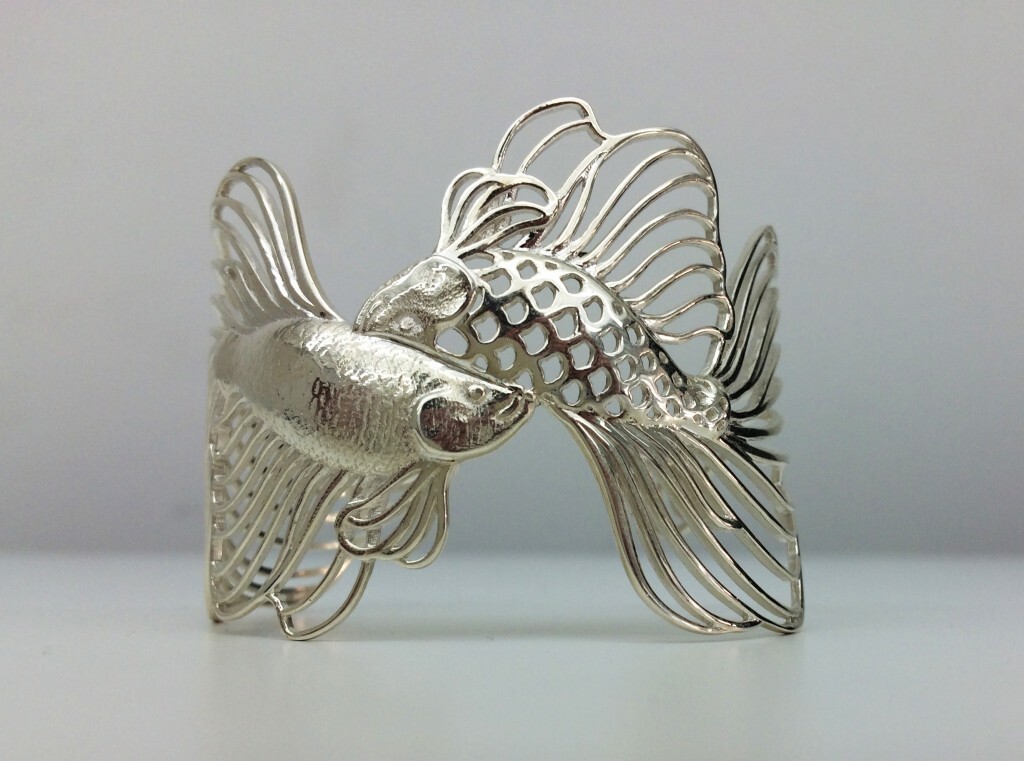
A sterling silver alloy (92.5% silver, 7.5% copper) offering a luxurious finish and high durability. Best for:
- Fine jewelry, rings, pendants, and earrings
- Intricate, highly detailed engravings
- A sleek, timeless aesthetic that can be polished to a mirror finish
Silver can develop a natural tarnish over time but is easily restored with polishing. Optional finishes include raw, polished, and antique treatments for unique aesthetics.

Luxurious & Precious
One of the highest quality materials available, perfect for:
- Everyday fine jewelry, heirlooms, and engagement rings
- Available in Yellow, White, and Rose Gold
- 9K, 10K, 14K, and 18K options for different durability and shine
Intricate detailing and premium finish make Gold a top choice for high-end products.
Premium & Durable
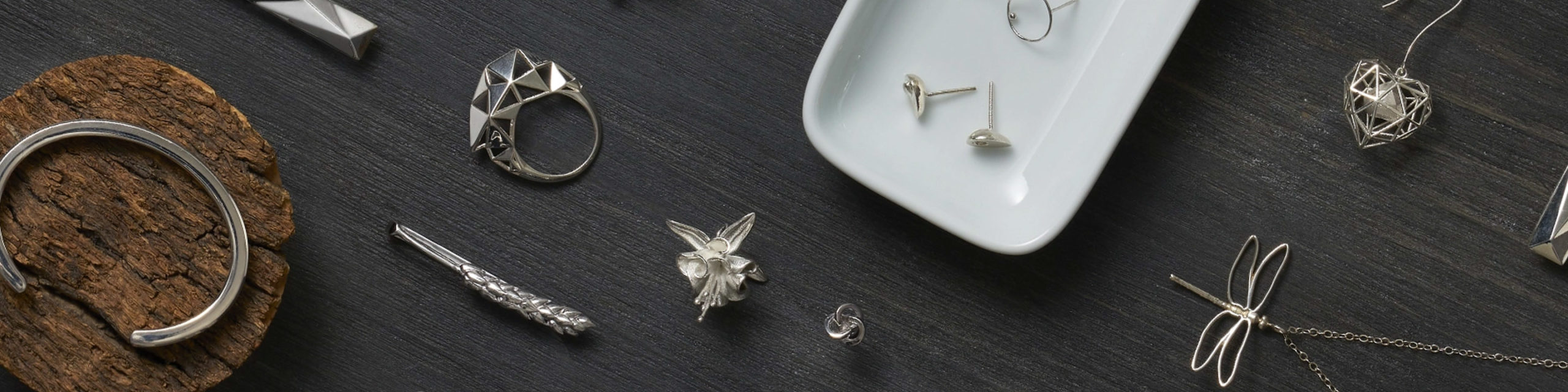
A high-end metal (95% Platinum, 5% Ruthenium) known for:
- High-quality jewelry with a sophisticated look
- Durability and resistance to tarnishing
- Superior engraving and intricate detailing capabilities
Polishing is limited on internal surfaces, ensuring a naturally refined appearance.
Design guidelines
3D models may shrink about 0.25 mm plus 2.5% after casting and finishing as part of the 3D Brass printing process.
For rings, the inner diameter is accurate within +/- 0.1 to 0.15mm. On average, the model shrinks about 2.5% after casting and finishing. We do our best to polish the internal diameter to match your model file during the 3D Brass printing process.
Your Bronze 3D printing model may shrink about 0.25 mm plus 2.5% after casting and finishing.
For rings, the inner diameter is accurate within +/- 0.1 to 0.15mm. On average, the Bronze 3D printing model shrinks about 2.5% after casting and finishing. We do our best to polish the internal diameter to match your bronze 3D printing model file.
±0.125 mm, Models can shrink about 2.5% after casting and finishing.
For rings, we do our best to polish the internal diameter to match the dimensions of your model file.
Natural:
When you 3D print Silver, the model may shrink about 0.15 mm plus 1.5% after casting and finishing. For rings the inner diameter will be 0.125 - 0.15 mm smaller than your design. On average, when you 3D print Silver, the model shrinks about 1.5% after casting and finishing. Scaling up your model by 1% will make your design closer to your desired size.
Polished, Fine Detail Polished and Antique:
Your model may shrink about 0.25 mm plus 2.5% after casting and finishing. For rings the inner diameter is accurate within +/- 0.1 to 0.15mm. On average, the model shrinks about 2.5% after casting and finishing. We do our best to polish the internal diameter to match your model file.
Your Gold 3D printing model may shrink about 0.25 mm plus 2.5% after casting and finishing.
For rings the inner diameter is accurate within +/- 0.1 to 0.15 mm. On average, the Gold 3D printing model shrinks about 2.5% after casting and finishing. We do our best to polish the internal diameter to match your model file.
Your model may shrink about 0.25 mm plus 2.5% after casting and finishing.
For rings the inner diameter is accurate within +/- 0.1 to 0.15mm. On average, the model shrinks about 2.5% after casting and finishing. We do our best to polish the internal diameter to match your model file.
x
x
x
x

x
x

x
x

x
x

x
x

x
x
.jpg)
x
x

x
x

x
x
x
x
x
x
x
x

x
x
x
x
x
x
Lorem ipsum dolor sit amet, consectetur adipiscing elit, sed do eiusmod tempor incididunt ut labore et dolore magna aliqua. Ut enim ad minim veniam, quis nostrud exercitation ullamco laboris nisi ut aliquip ex ea commodo consequat. Duis aute irure dolor in reprehenderit in voluptate velit esse cillum dolore eu fugiat nulla pariatur.


