Behind The Designs: Paul Brock of LogicalPlanet
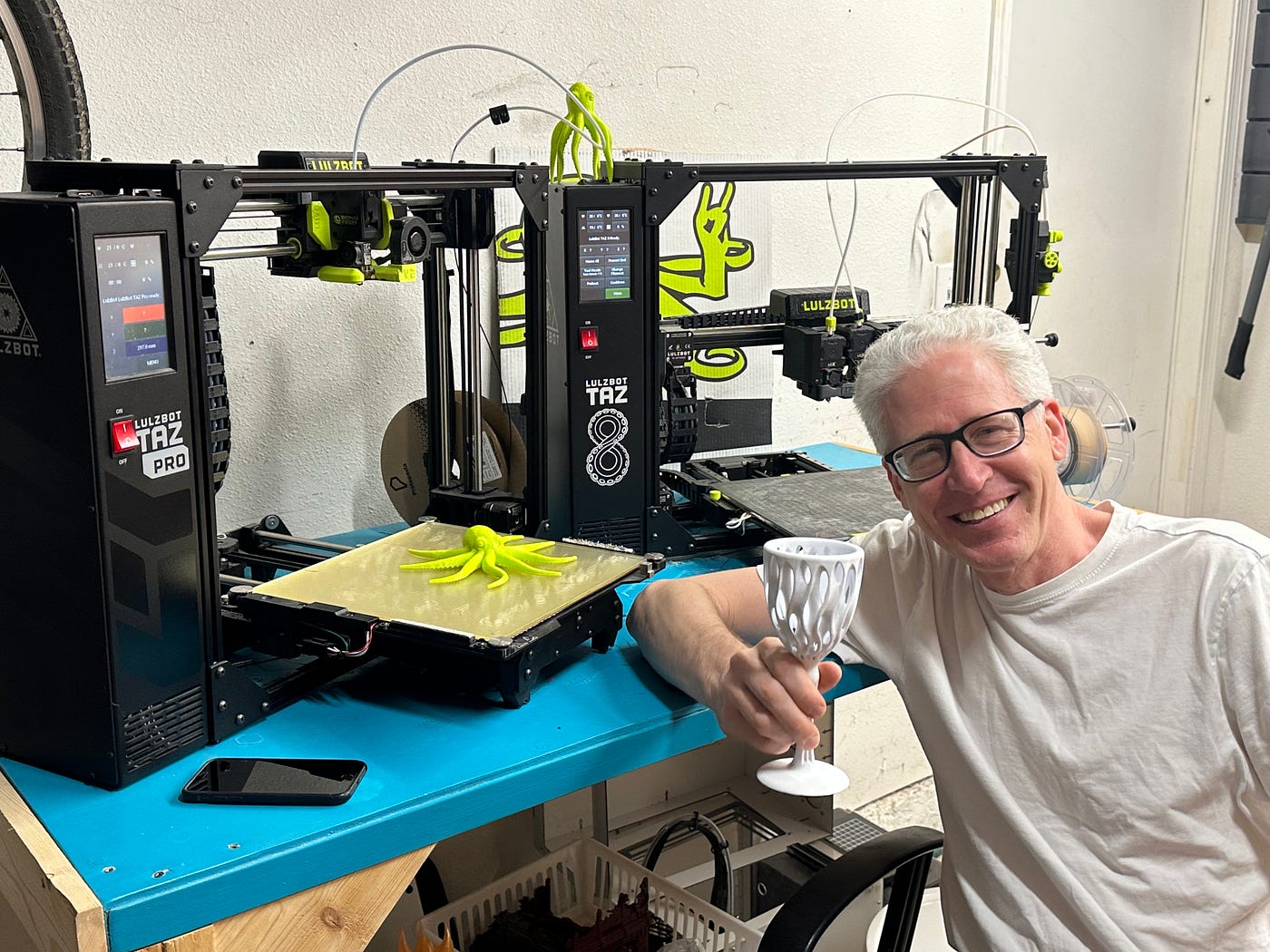
Paul is the designer behind LogicalPlanet, a growing collection of smart, mechanical, and deeply practical 3D printable designs.
If you’ve ever downloaded a design and thought, “How did this not exist already?” chances are, you’ve brushed up against the kind of thinking Paul Brock brings to the table.
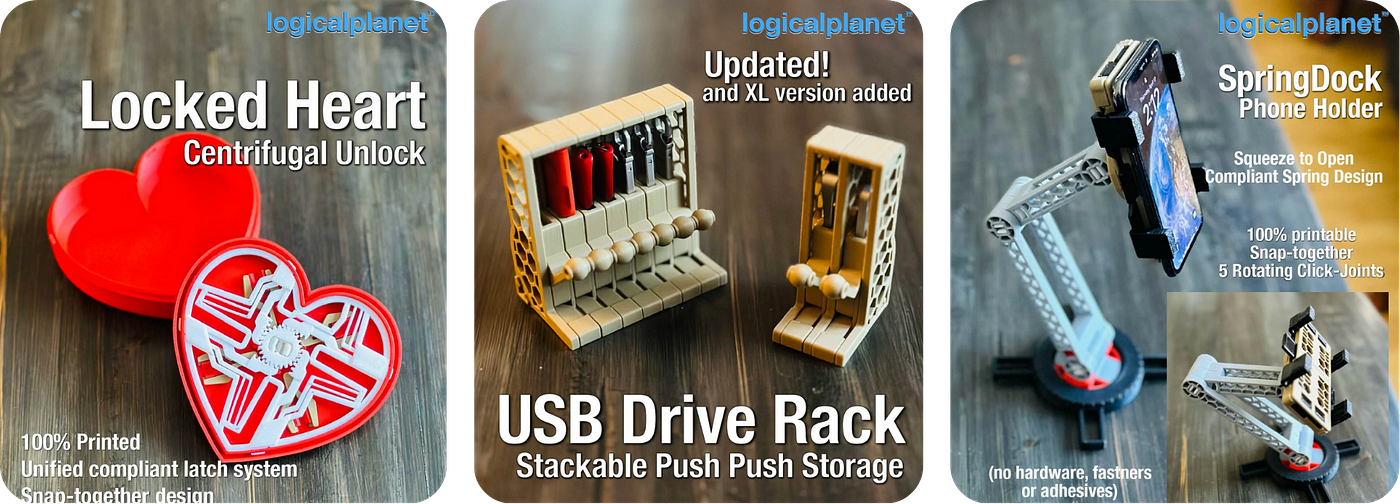
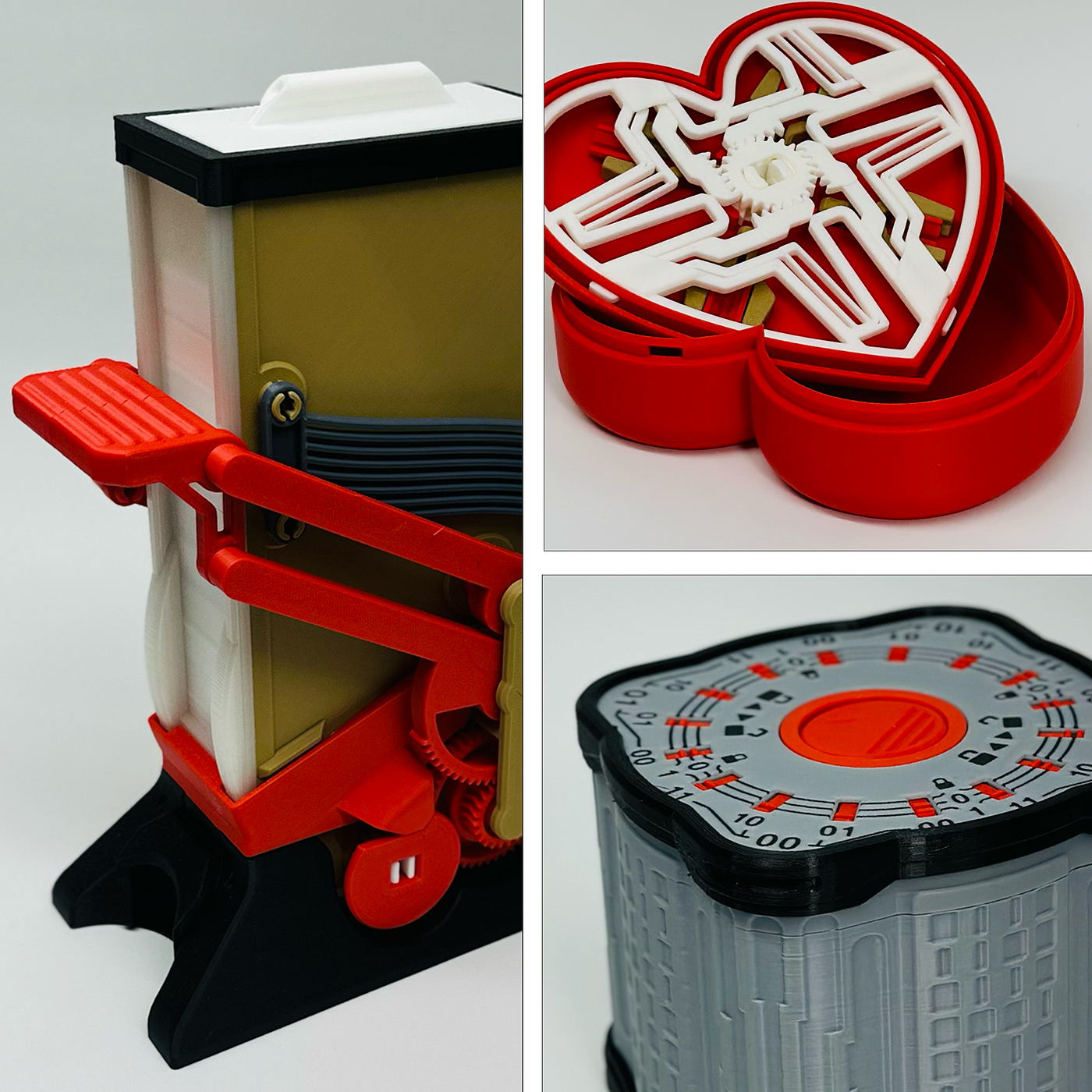
Paul is the designer behind LogicalPlanet, a growing collection of smart, mechanical, and deeply practical 3D printable designs. His work lives at the intersection of function, clever engineering, and a quiet sense of fun; models that don’t just look good, but do something.
Designing With Purpose (and a Bit of Fun)
Paul describes his design style simply: functional, aspiring to be clever, and hopefully fun. That philosophy shows up everywhere in his work. He gravitates toward designs that solve real problems; things that reduce friction in everyday life or make you wonder why someone hadn’t thought of it sooner.
“I love designs that do things,” he explains. “Where someone looks at it and thinks, that is clever.”
At the core of it all is problem-solving. Paul sees design as a mechanical puzzle, one that’s inherently enjoyable to work through. That mindset makes it easy to understand why his catalog feels purposeful rather than ornamental.
A Hands-On Foundation
Paul’s journey into 3D printing feels almost inevitable. He grew up in a hands-on environment working on cars, woodworking, and building things alongside his parents. Making wasn’t a hobby; it was just normal.
After high school, he studied robotics and industrial automation, further sharpening his mechanical thinking and love for systems. When he bought his first 3D printer about ten years ago, everything clicked.
“It was like having a mini factory in my house,” he says.
He’s been designing specifically for 3D printing for about four years now, and running LogicalPlanet as a business for the past two. That blend of long-term experience and recent focus gives his designs a rare balance of polish and experimentation.
From Frustration to File
Most LogicalPlanet designs start with a real-world annoyance.
Something doesn’t quite work.
Something wastes space.
Something could be better.
Paul designs things he actually wants to use and trusts that if it solves a problem for him, it will likely help others too. That authenticity shows in how well his models translate from idea to successful prints in the wild.
Tools of the Trade
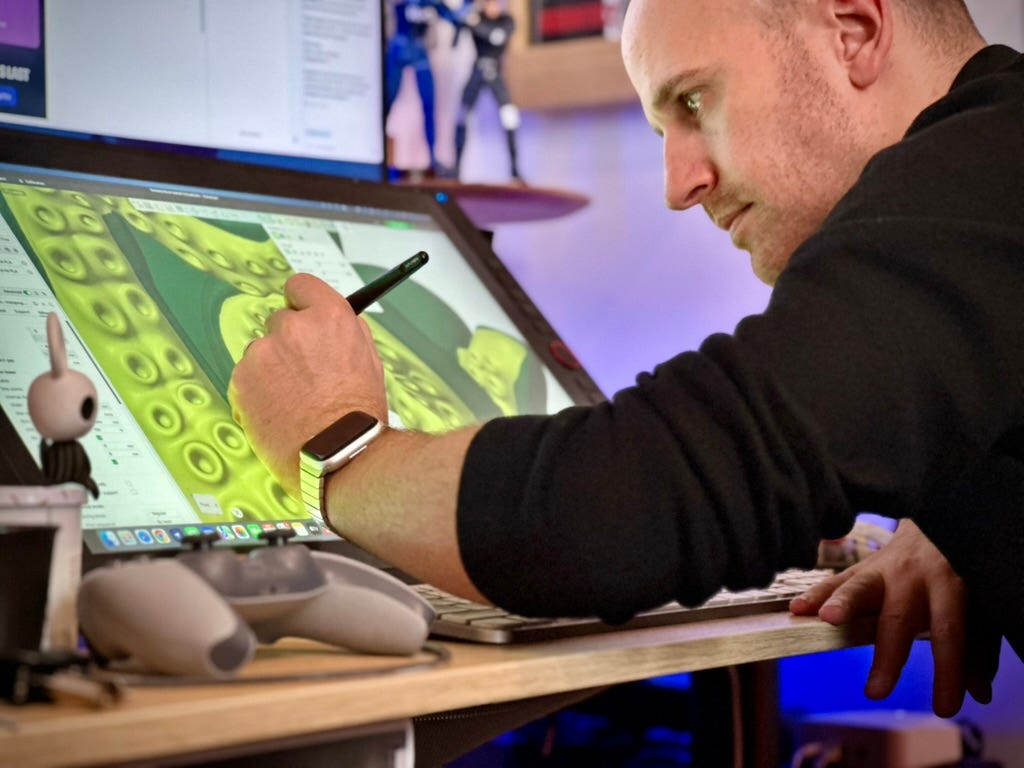
For design, Paul relies heavily on Shapr3D, which he loves for its speed and intuitive, direct-modeling workflow. While he does use parametric modeling when necessary, he’s selective; favoring momentum and iteration over over-engineering.
On the hardware side, Paul runs an impressive fleet of 12 printers, including Voron builds, Bambu Lab, Creality, Anycubic, and Elegoo machines. He intentionally tests designs across different printers, materials, and methods to make sure users can succeed no matter what setup they’re running.
That real-world testing mindset is a defining feature of LogicalPlanet.
The Hard Part: Knowing When to Stop
Paul is candid about his biggest challenge as a designer: time, energy, and knowing when a design is “done.”
“I can put months of work into a single design,” he says. “I want it to be perfect, but that’s elusive.”
The balance between refining a design and documenting it well enough for others to succeed can be exhausting. Still, that obsessive attention to detail is part of what makes his designs so trusted.
Designs That Live Beyond the Designer
One of Paul’s favorite aspects of designing for 3D printing is seeing what happens after a model is released.
Seeing someone download, print, and use a design is fulfilling; but seeing someone remix it, improve it, or use it in an unexpected way is even better.
“It means the design is living beyond just me.”
He hopes more people jump into designing for 3D printing, pushing ambition and creativity across the entire community.
Inspired by Possibility (and Inefficiency)
Paul draws inspiration from two main places.
First: the sheer magic of 3D printing itself. He likens it to a Star Trek replicator; the ability to create complex, unique objects without traditional artisan skills, simply by documenting an idea.
Second: everyday life. Inefficiencies. Storage problems. Workspace clutter. Things that almost work, but could work better.
And of course, other makers. Seeing designers push boundaries motivates him to keep improving.
Building a “Home Hardware Store”
When asked about favorite projects, Paul doesn’t limit himself to one category. He loves anything mechanical and functional such as puzzles, tools, machines, clever mechanisms; but he’s intentionally avoiding over-specialization.
In his mind, LogicalPlanet is becoming a kind of home hardware store: a place where you discover things you didn’t know you needed, but immediately understand once you see them.

Why Thangs Matters
For Paul, Thangs is more than a platform; it’s a turning point for the entire 3D design ecosystem.
He credits Thangs with changing the world for 3D designers by making monetization accessible at a critical moment. By building an audience and enabling designers to turn great ideas into sustainable businesses, Thangs helped accelerate innovation across the space.
“I genuinely feel like part of something special,” he says.
Looking Ahead
In three years, Paul envisions LogicalPlanet as a go-to destination for:
- Smart, functional, and entertaining designs
- Well-tested models people trust
- Modular systems that grow over time
- A strong community that helps evolve designs together
What motivates him most is simple, but powerful: the challenge of creating a successful design.
Fun Facts (or Maybe Not…)
To wrap things up, Paul leaves us with a few truths… and maybe a lie:
- He speaks Chinese
- He’s built seven Voron 2.4 printers
- He once redesigned a project ten times in a single day
- He’s never had a print fail
We’ll let you decide which one’s the lie 😉
Check out LogicalPlanet on Thangs, or follow them on Instagram & their website.
Join our Thangs Discord community to connect and share your feedback!
Also, remember to include @Thangs3D in your social media posts. Posts with this tag receive an automatic boost from Thangs Marketing, enhancing your engagement at no extra cost.
.png)