Behind The Designs: Mark of Spaceways
Meet Mark, the creative force behind Spaceways, who has carved out a unique niche in 3D printed miniatrues.
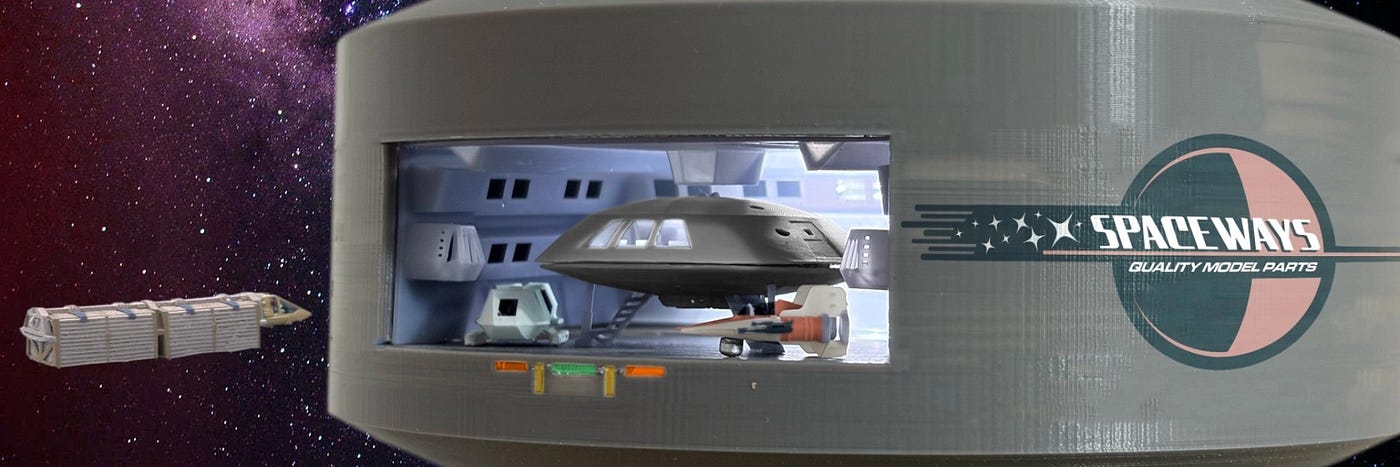
In our latest Designer Spotlight, we sit down with Mark, the creative force behind Spaceways. Mark has carved out a unique niche in the 3D printing world by focusing on the “micro-details” — designing incredibly accurate add-ons and replacement parts for iconic Sci-Fi scale models. From interior rooms visible through tiny windows to screen-accurate hull greebles, Mark’s work bridges the gap between a standard kit and a masterpiece.
The Art of the Add-On
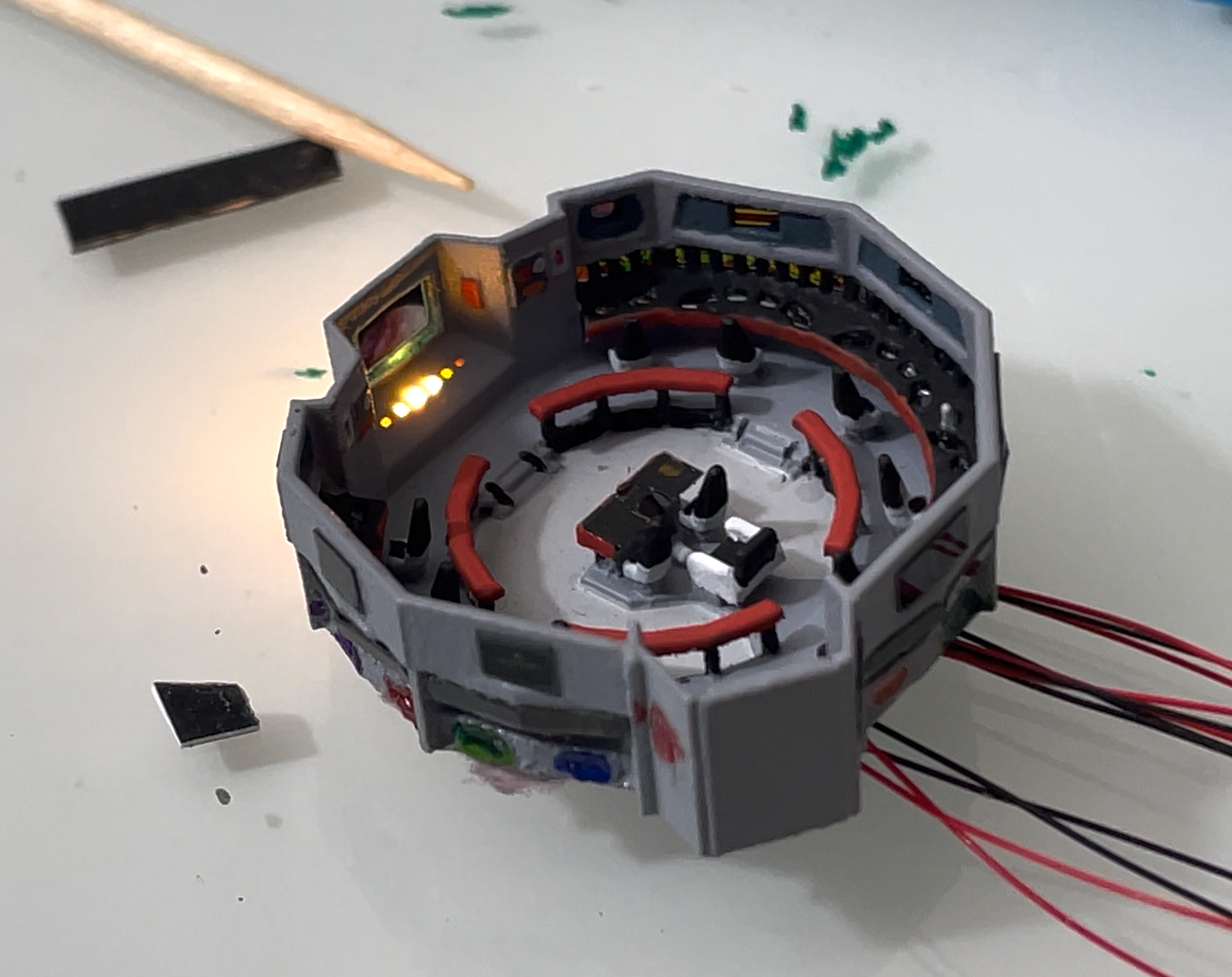
In the world of scale modeling, the difference between a “kit” and a “masterpiece” often comes down to the smallest details. Mark, the designer behind Spaceways, has spent the last eight years mastering this specific niche. By focusing on high-accuracy add-ons and replacement parts for iconic Sci-Fi vessels, he has become a vital resource for modelers who demand screen-accurate precision. Whether it is a hull greeble or a fully realized interior cabin, Mark’s work is about pushing the boundaries of what is possible at a miniature scale.
A Hobby Born of Necessity
Mark’s journey into the industry was born out of personal necessity. As a dedicated model builder himself, he initially began designing 3D parts simply to solve problems in his own projects. He quickly realized he wasn’t alone; as he shared his work, other builders began reaching out with their own requests. This collaborative spirit has fueled his growth, with some of his successful products originating from customers who sent him physical kit parts to be measured, refined, and recreated with a level of detail that traditional manufacturing simply couldn’t achieve.
Q: How would you describe the type of designs you create and sell?
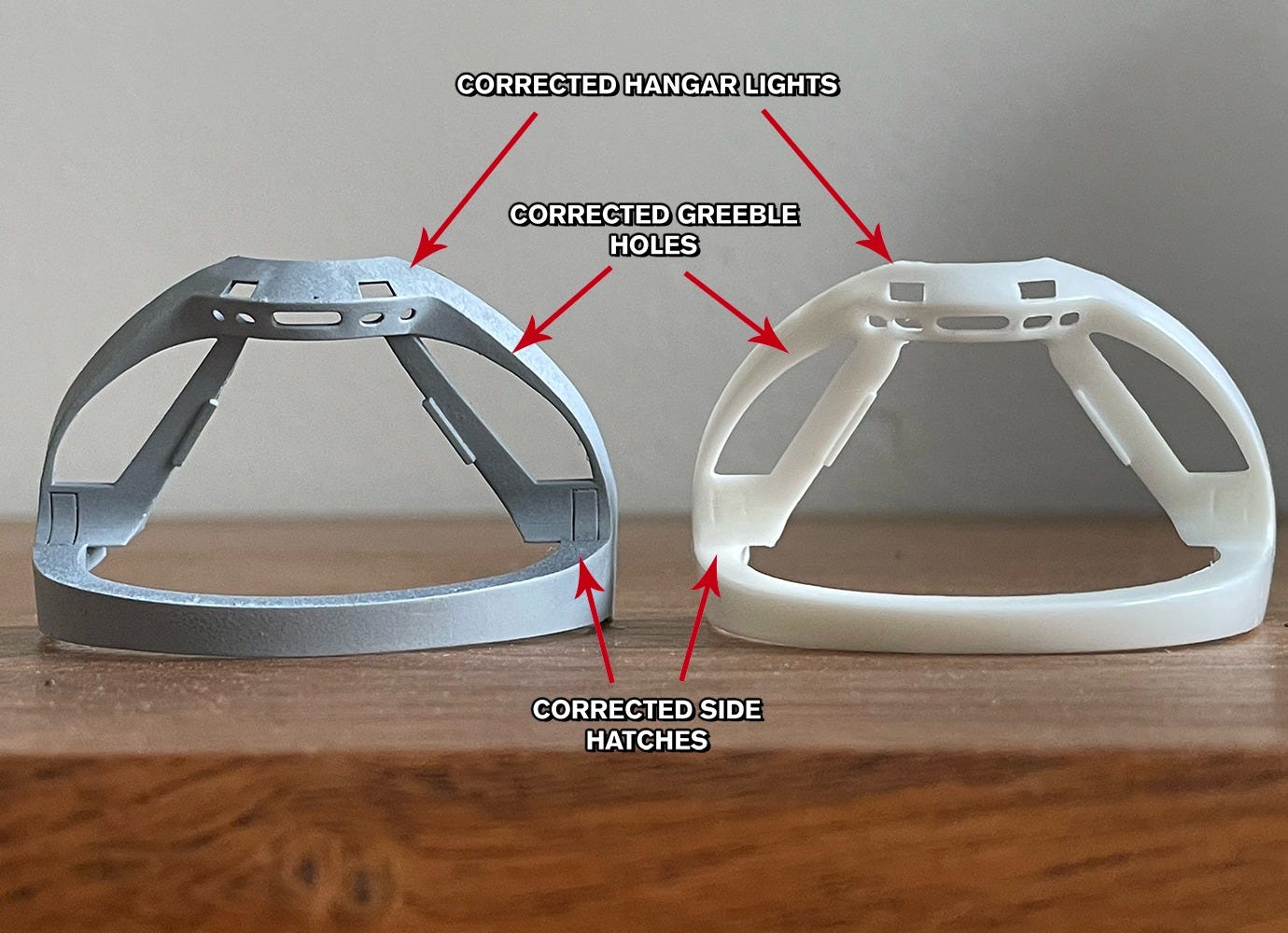
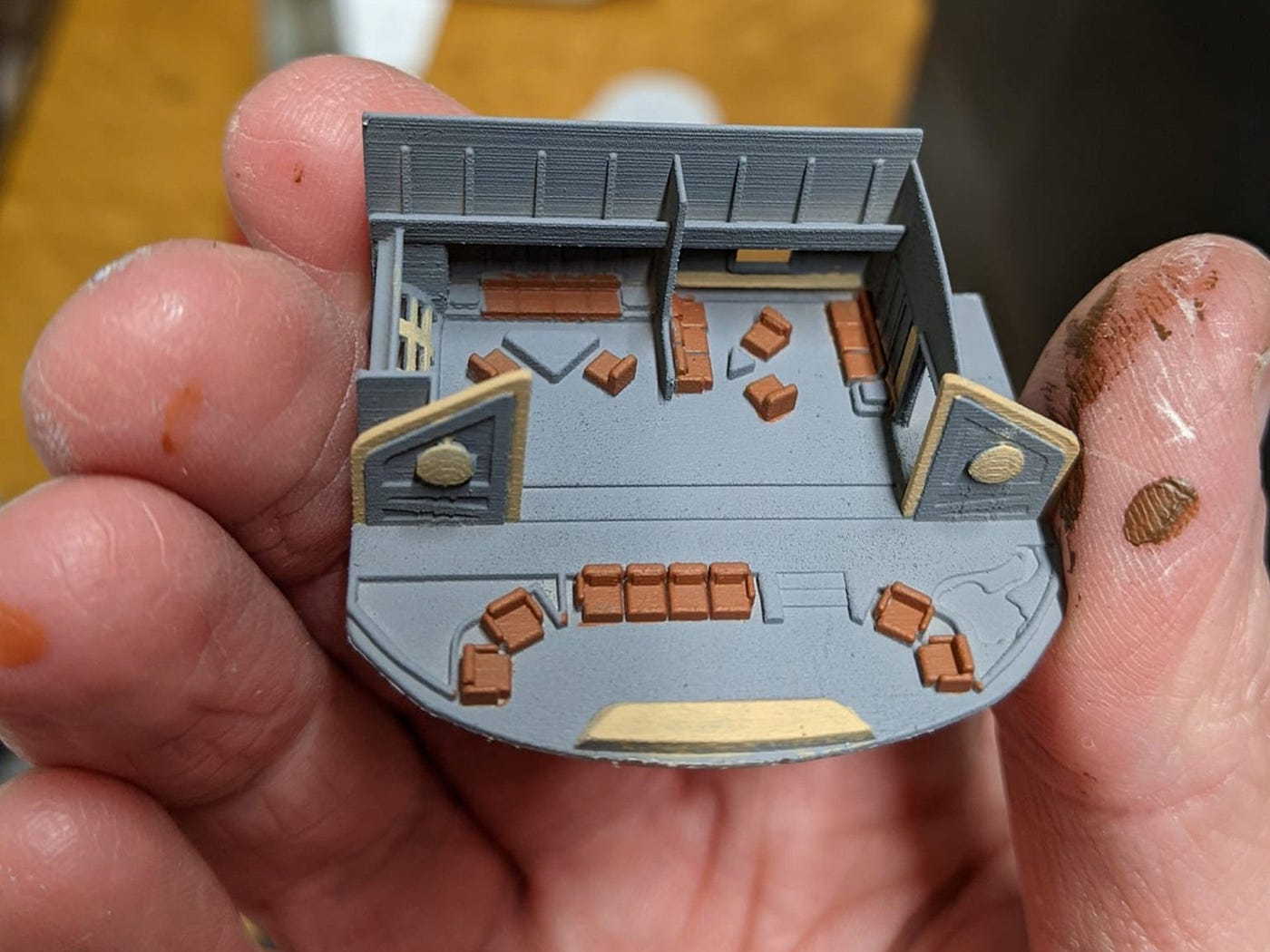
“I create add-on and replacement parts for existing model kits. Some add detail to the exterior of the model that makes it more accurate to what was seen on screen. Others are interior rooms that can be seen through windows.”
Q: What is your favorite 3D designing tool you can’t live without?
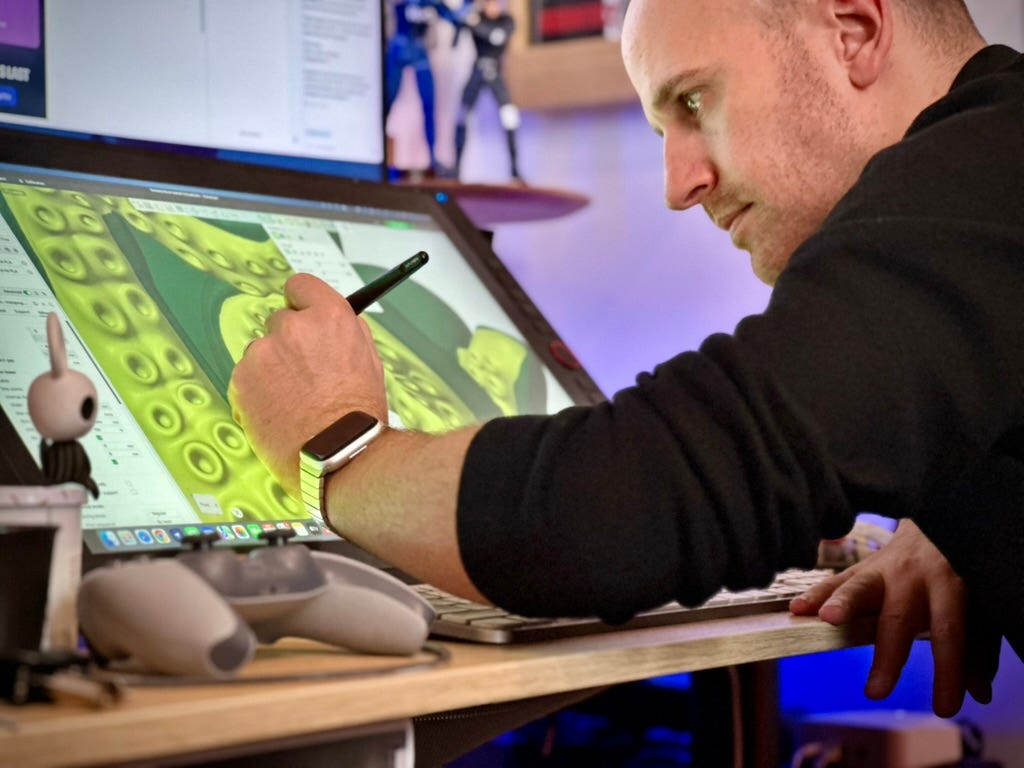
“I mostly use Cinema4D, which I found very easy to learn and it exports directly to STL.”
Q: What kind of problem do you love solving most when you’re designing?
“Even with very large scale models, the parts I make are quite small. It’s always a fun challenge to figure out how to simplify detail while still having it register from different distances. I’m almost like an impressionist painter in that way.”
Precision Through Reference
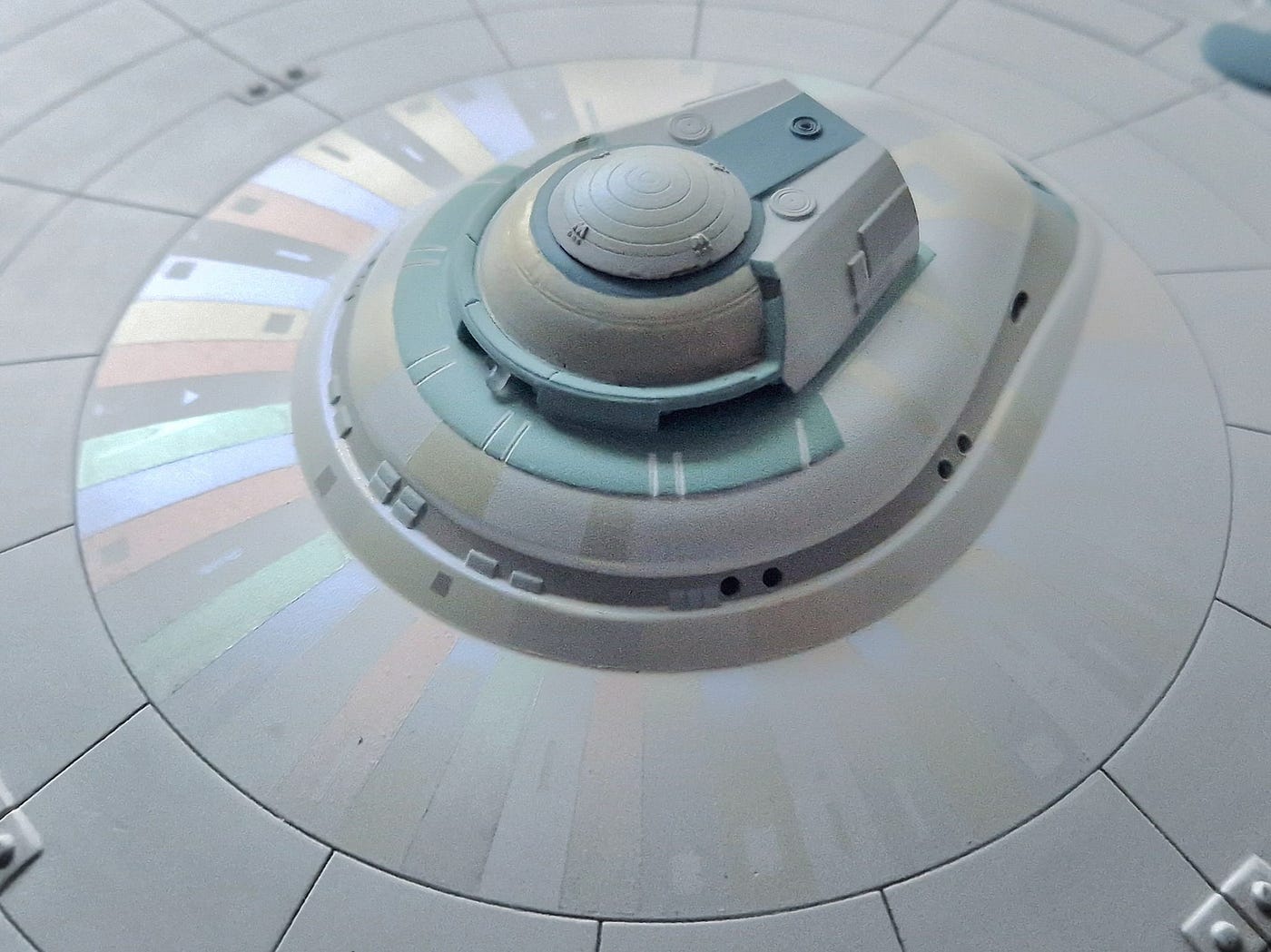
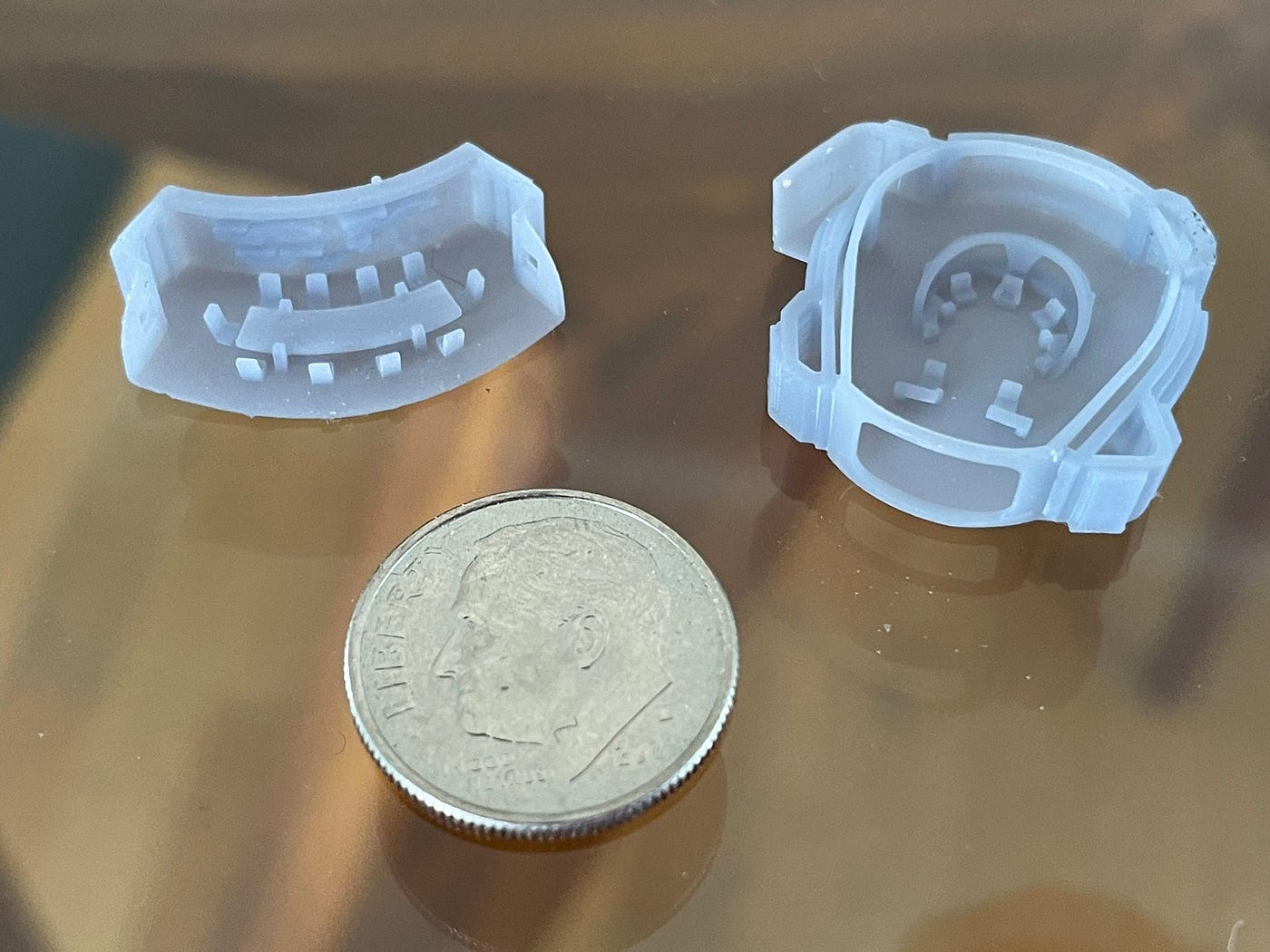
The technical secret to Mark’s success lies in his choice of materials and the vast archive of reference data he has collected over the years. By utilizing MJP Visijet “Ultra-Fine Plastic” with dissolvable wax supports, he is able to achieve complex geometries — like the railings and curved consoles of his 1/350 Star Trek Enterprise bridge — without the support marks or warping common in home resin prints. This allows him to pack an incredible amount of detail into a footprint no larger than a quarter, sourcing his designs from a mix of museum trips, auction photos, and close friends in the fan community.
The Digital Advantage
For Mark, the transition to Thangs has provided a distinct advantage in a market traditionally dominated by limited-run resin casting. By offering his designs digitally, he maintains an “unlimited inventory,” ensuring that his customers never have to wait for a restock or worry about a product running out. His advice for those looking to follow in his footsteps is simple: design for yourself first. If you create a solution for a problem you are facing in your own hobby, there is almost certainly a community of people waiting for that same solution.
Where to Find Spaceways?
Check out Spaceways on Thangs, or follow them on Facebook.
Looking to sell printed versions of your designs?
You can start selling today through the Thangs Print Store. To get started, explore our Materials & Technologies page to find the perfect finish for your work, then follow our Step-by-Step Tutorial to learn how to upload and publish your first model for professional production.
.png)