.jpg&w=3840&q=85)
.jpg&w=256&q=75)


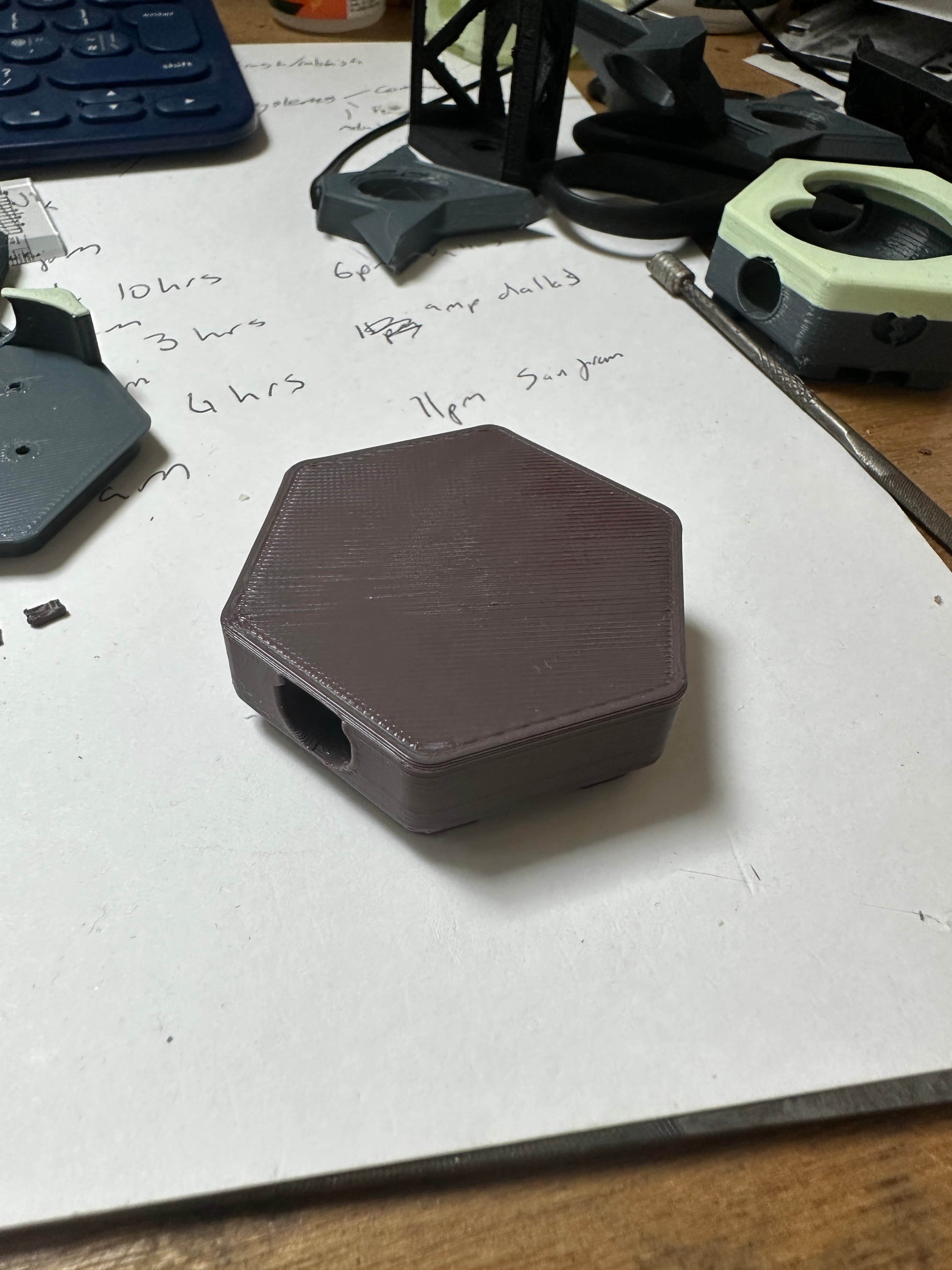
Hextraction Converter Tiles
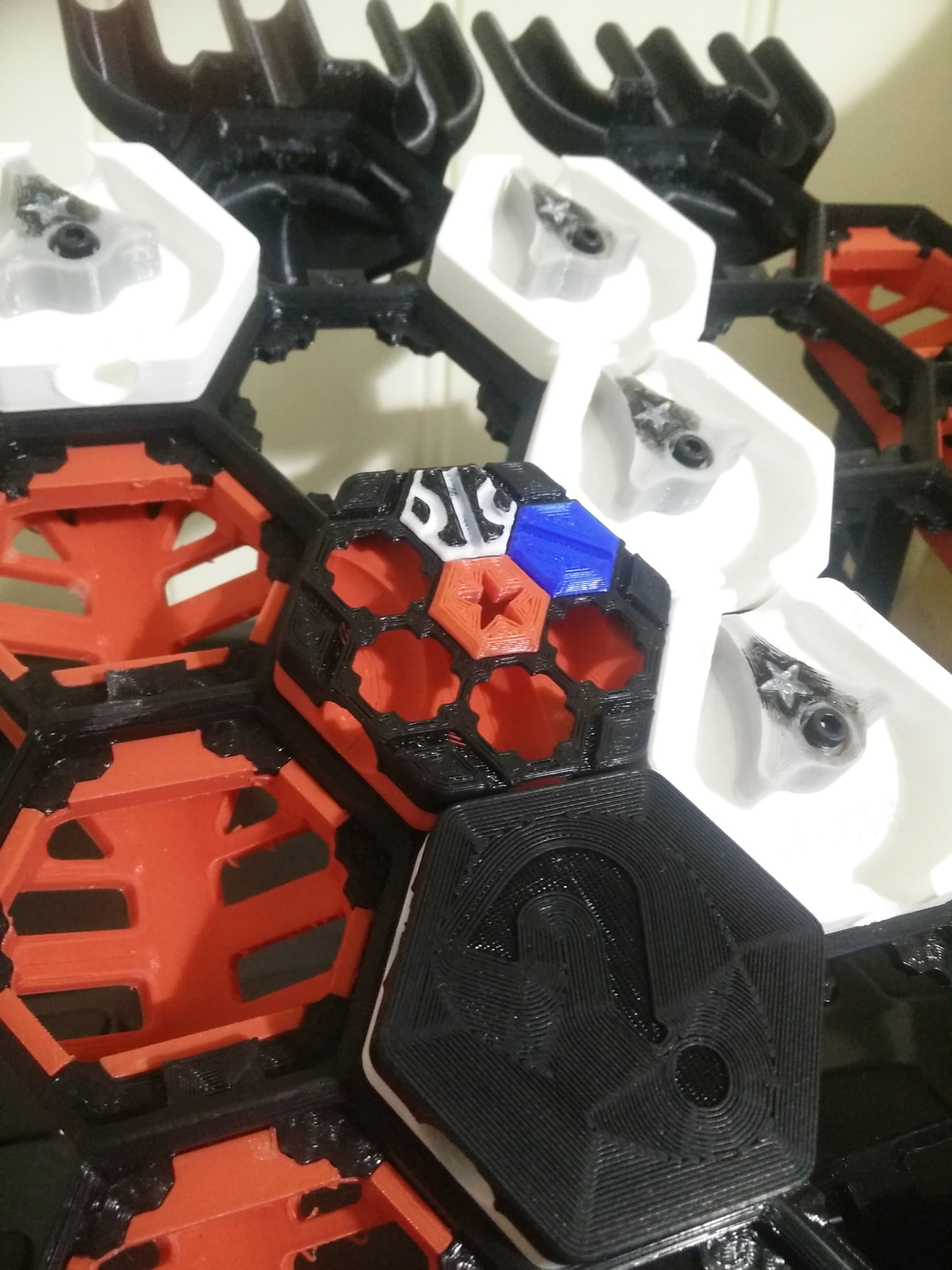
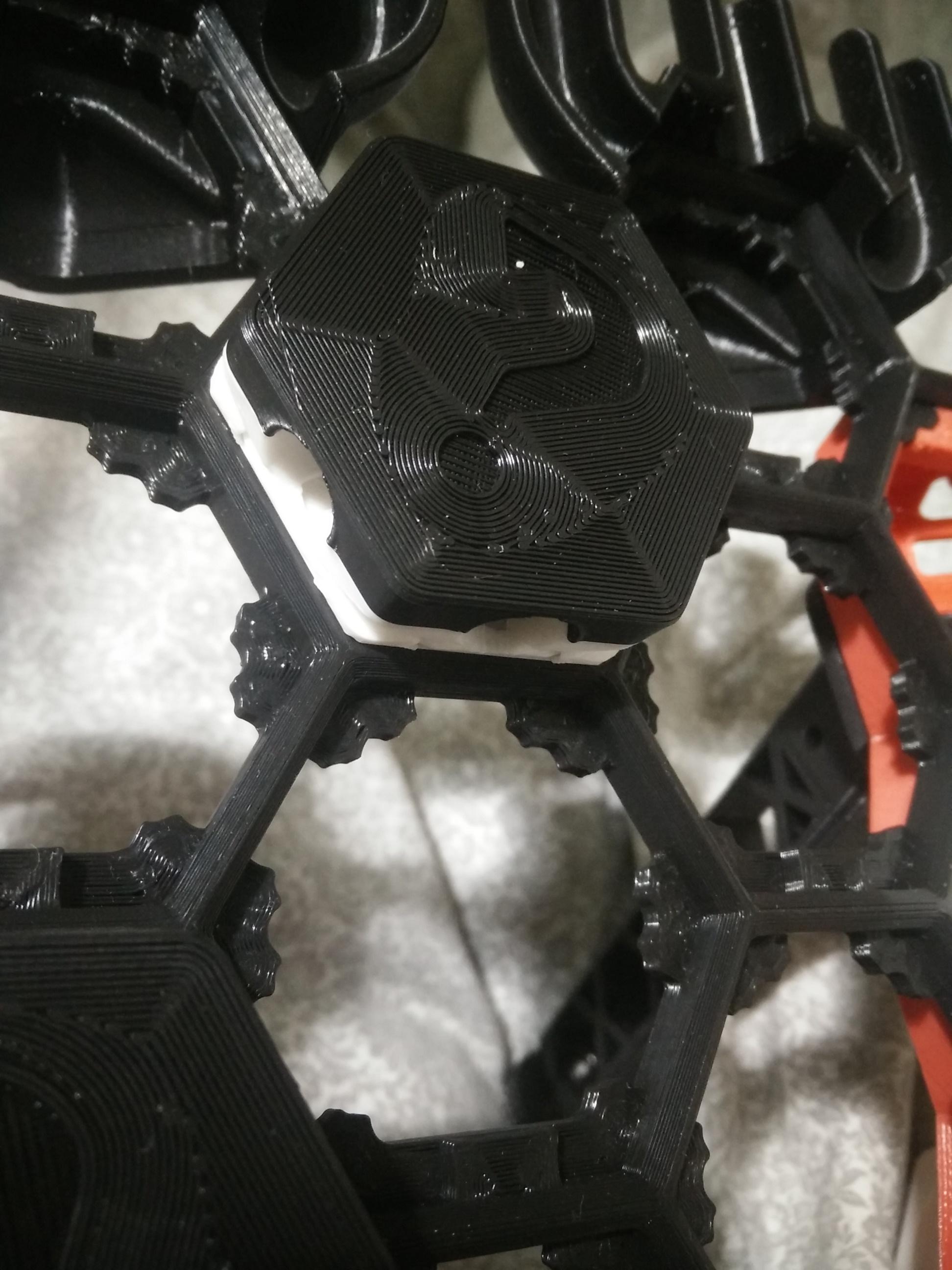
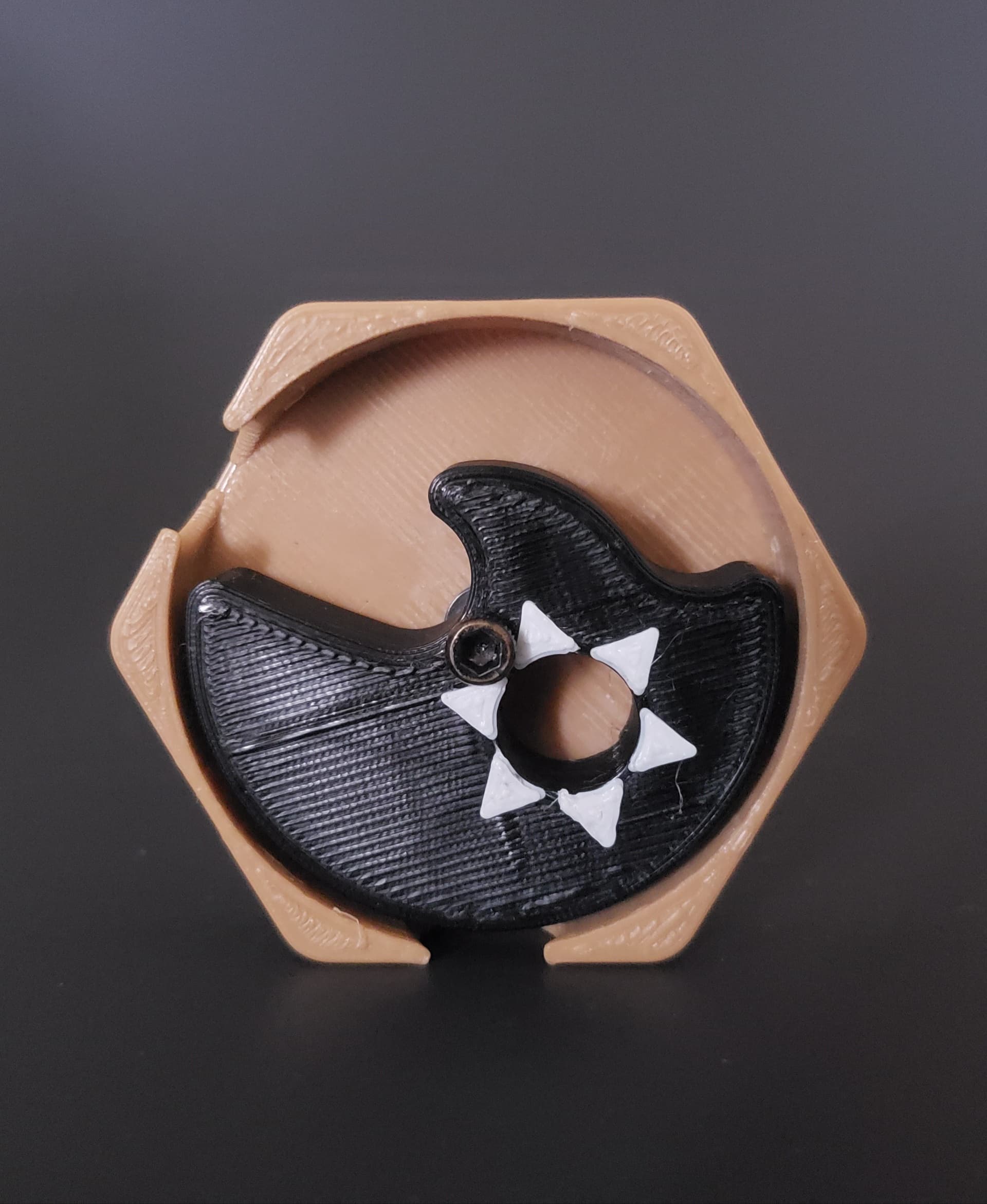
Expanding the concept of alternative balls from the Shrink Ray tile, convert any incoming ball into a different size or material! There's a few videos showing off the ball physics.
There's 3 main types of converters; size, material and group. The size tiles have a built in filters so you can't accidentally roll the wrong ball. The material tiles are identical to each other besides the text so make sure you're rolling the right type. Group tiles are again identical however they allow for multiple sizes/materials, but only with certain physical properties. For example the non-magnetic tile would allow plastic and rubber to be rolled, but not allow carbon steel and chrome steel. There's some redundancy in the names for personal preference sake. For instance, the Normal and Standard tiles are interchangeable. Pick whichever you prefer.
When printing, filament change with a high contrast color at the start of the text layer. BlankConverter.step is available for anyone wanting to remix the text for a type I didn't include.
Rules
Forbidden Trigger: Roll a specified ball out this tile's ramp, else use a standard ball if able.
Notes: All tiles use the same card. "Specified" refers to the text on the triggered tile. "Else use a Standard ball" refers to not having or running out of the specified ball and substituting for the default size and material you typically roll. Sometimes you can't roll a different size like on the 5mm tile. In that case don't roll. On the 10mm and 3/8" tiles you must roll a carbon steel of that size (or whatever material your primary balls are). Think of these as size tiles and not group tiles. Rolling this ramp only counts if that ball paths out the exit e.g. a 3/8" ball falling through the floor of the 10mm tile doesn't count so try again.
Balls
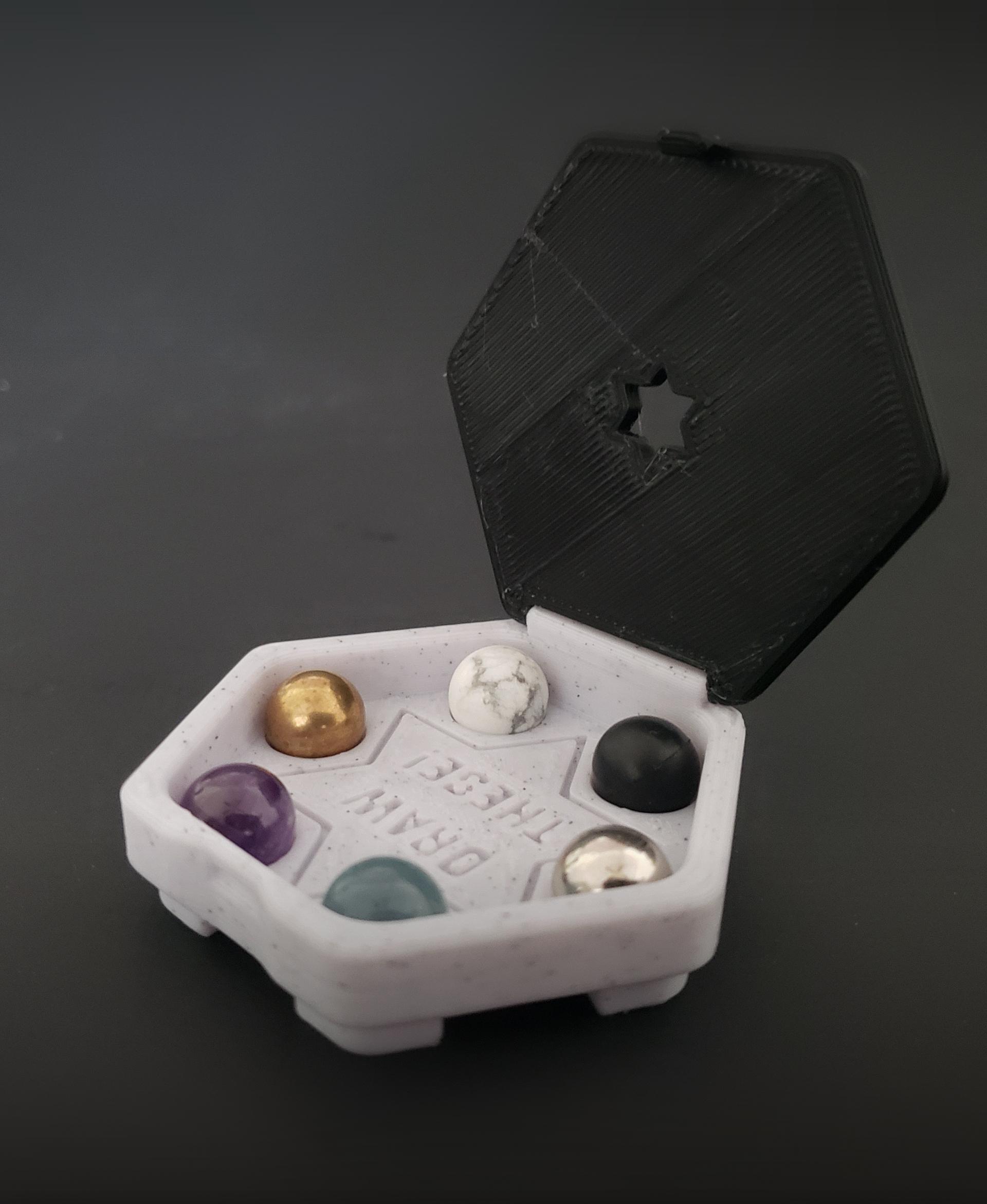
Here's a breakdown of each ball. I'm fond of 5mm, brass, magnet and tungsten. I tested some others, but figured I'd include them anyways. You only really need about 10 max of each alternative ball type.
- Type | Links | Cost (USD) per ball, Weight (grams per ball estimate), weight ratio of 10mm material over a 10mm carbon | Notes
- 10mm | carbon steel | $0.15/b, 4.11g/b, 100% | Sort with a Filter tile
- 3/8" | carbon steel | $0.11/b, 3.53g/b, 86% | Sort with a Filter tile
- 5mm | chrome steel | $0.20/b, ~0.51g/b, 12% (5mm) | magnetic, small, light
- Brass | 10mm, 3/8" | $0.50/b, ~4.45g/b, 108% | non-magnetic
- Ceramic | 10mm, 3/8" | N/A, ~3.2g/b, 77% | non-magnetic
- Magnet | 10mm, 3/8" | $1.73/b, ~3.9g/b, 94% | expensive, sort by touching to steel
- Plastic | 10mm, 3/8" | $0.35/b, ~0.6g/b, 14% | non-magnetic, light
- Rubber | 10mm, 3/8" | $0.07/b, ~0.6g/b, 14% | non-magnetic, light, slow, quiet
- Tungsten | 10mm, 3/8" | $3.52/b, ~7.9g/b, 191% | slightly-magnetic, expensive, heavy, sort by touching to magnet
Physics of Ball Properties
- Small | Has erratic pathing and light weight. Unique pathing when in a tiny sorter or similar tile.
- Light | Gets trapped in most mechanical flipper tiles.
- Heavy | Single passthrough a mechanical dispenser if the counterweight is a standard ball.
- Magnet | Attracted to screw hardware, standard balls and other magnets.
- Non-magnetic | Bypasses any magnet.
Hextraction Converter Tiles
Hextraction Secret Iris Tile

Hextraction Scaffold Tile

Hextraction Secret Click Tiles
Hextraction Countdown Tile

Hextraction Mini Sorter Tiles (16 Pack)
Hextraction Overdrive Wave Tile
Hextraction - Dice Tower for Dicey Tile

OLD Hextraction - Bishop Tile Chess Tiles

Hextraction - King tile Chess Tiles
OLD Hextraction - Rook tile Chess Tiles
OLD Hextraction - Knight Tile Chess Tiles
OLD Hextraction - Pawn Tile Chess Tiles
NEW Hextraction - Knight Chess Tiles
Hextraction - Queen Tile - Chess Tiles
Hextraction - Angel Down Tile
Hextraction - Angel Up tile

Hextraction - High-Consistency Trap Tiles
Hextraction - Dip Tile
NEW Hextraction - Rook Chess Tiles