
Rudall & Rose #5501
69 downloads · 4 years ago · A copy of a known 1860s model of conical (aka "Irish") flute, sectioned for testing different embouc
A copy of a known 1860s model of conical (aka "Irish") flute, sectioned for testing different embouchures. Three different historical embouchures are provided, with a cover to be sanded flush with the surface of the part - this is to ensure a sharp edge on the outer surface of the embouchure, which can't really be achieved with FDM printing.

Sonic The Hedgehog
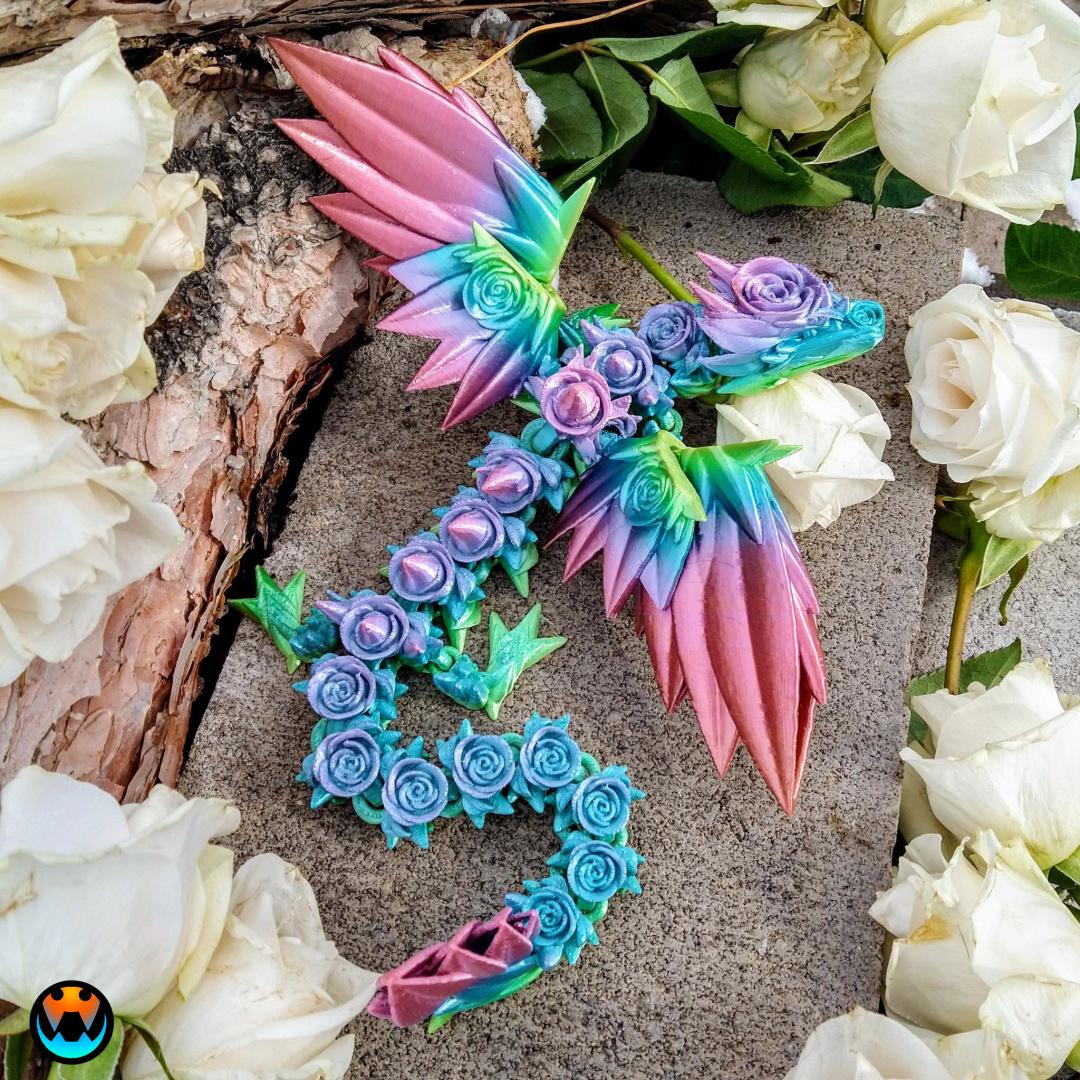
Rosewing Dragon

Rose Frog
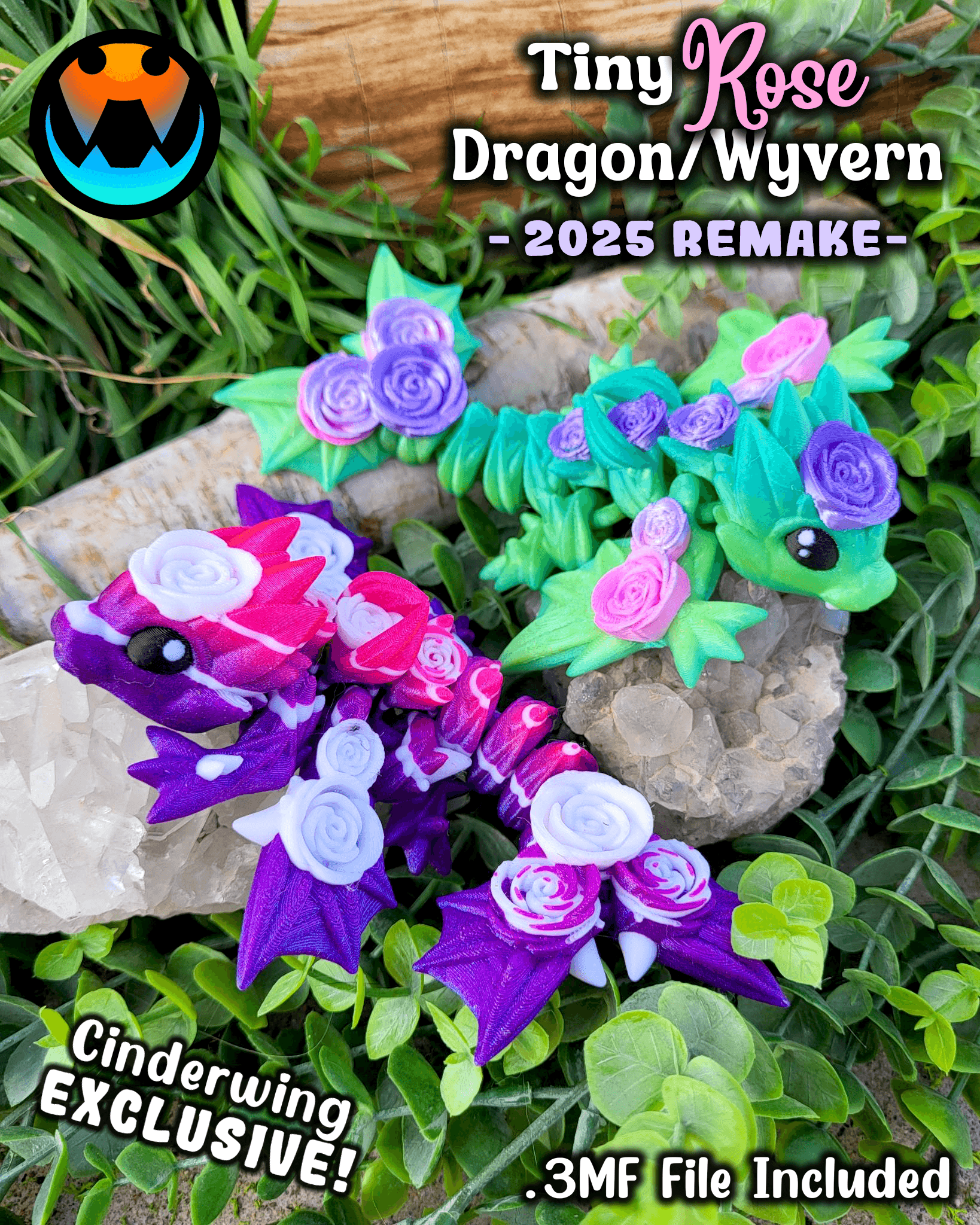
Tiny Rose Dragon and Wyvern 2025 Edition

Slime Ball Fidget Toy by Ruven Bals Print in Place
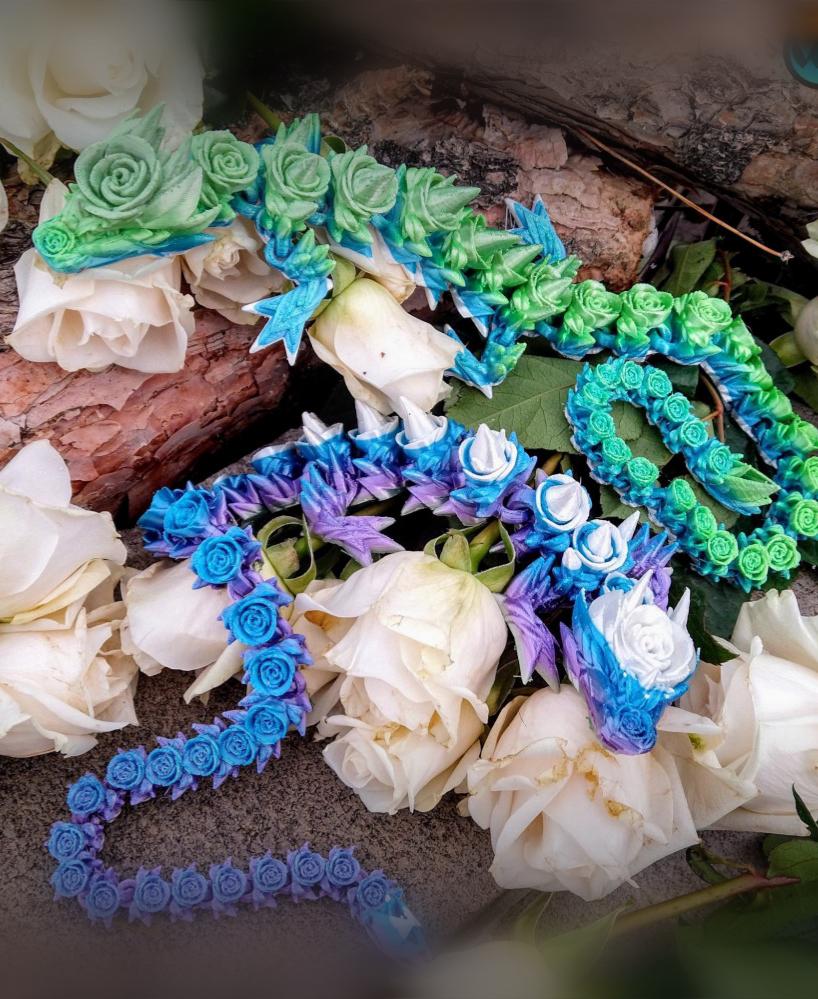
Rose Dragon '23 Edition
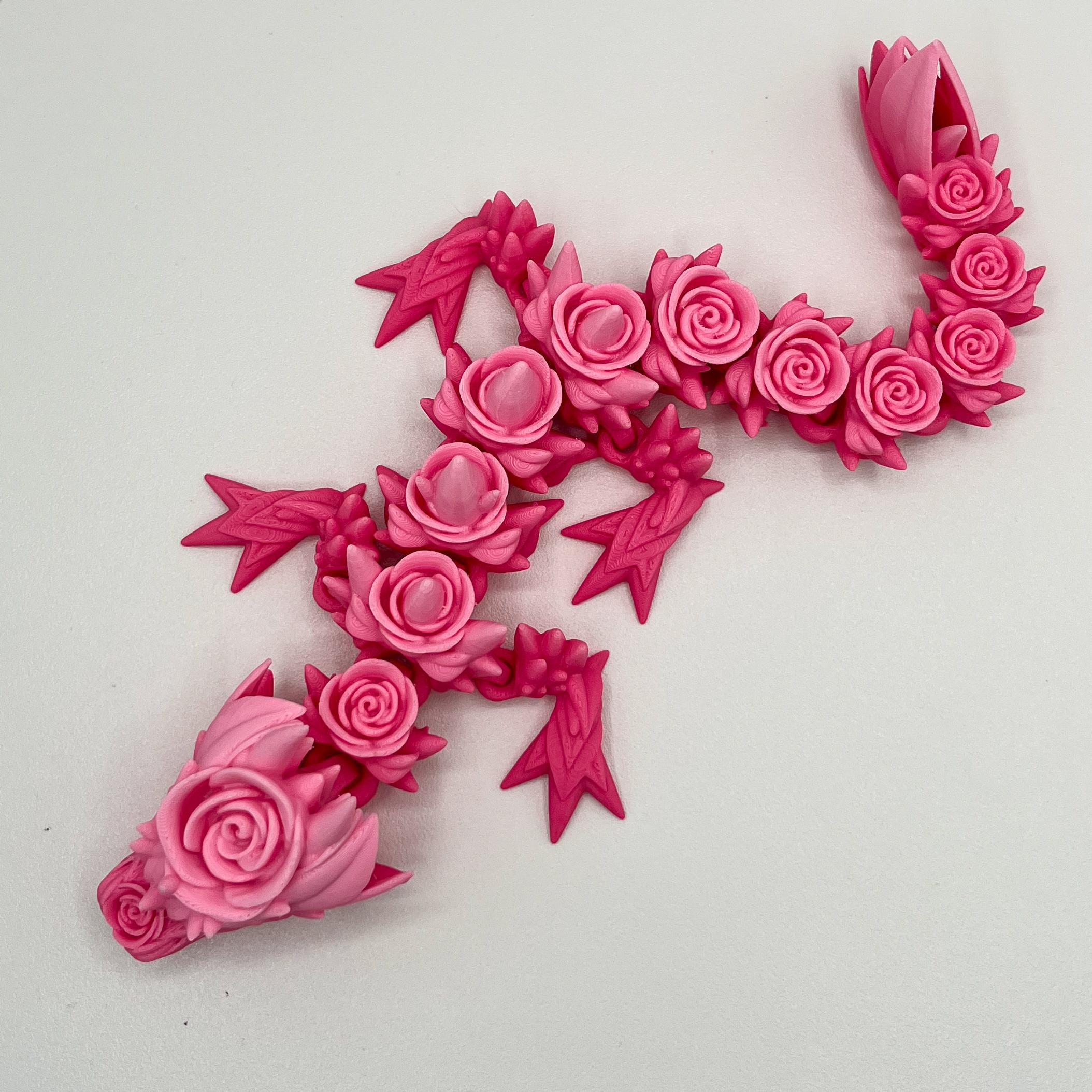
Baby Rose '23 Dragon
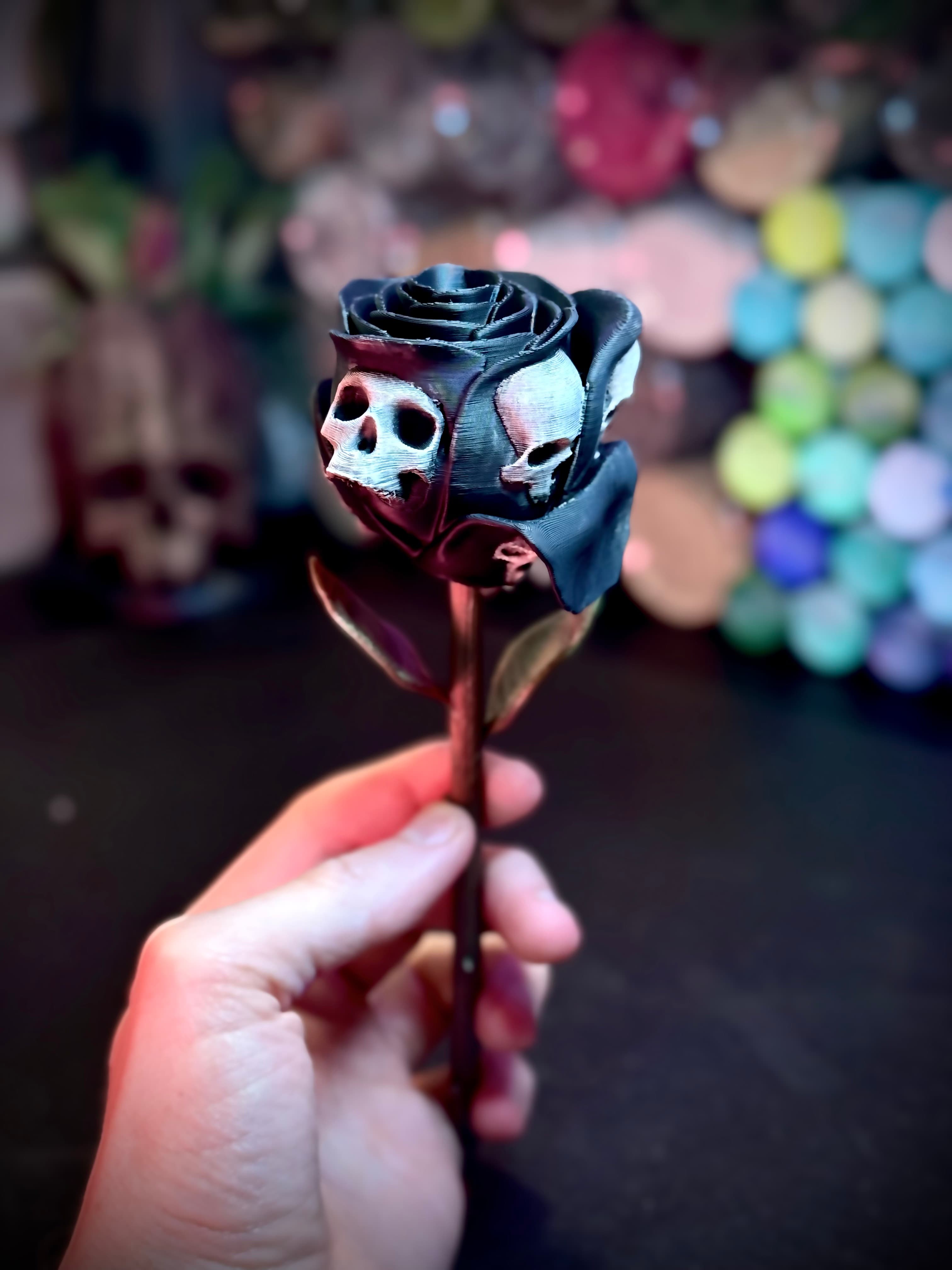
The Forbidden Rose

MOTHERSDAY BUDDY / ROSE BUDDY ARTICULATED / GIFT FOR VALENTINESDAY / CUTE LITTLE HOME DECOR

Rose
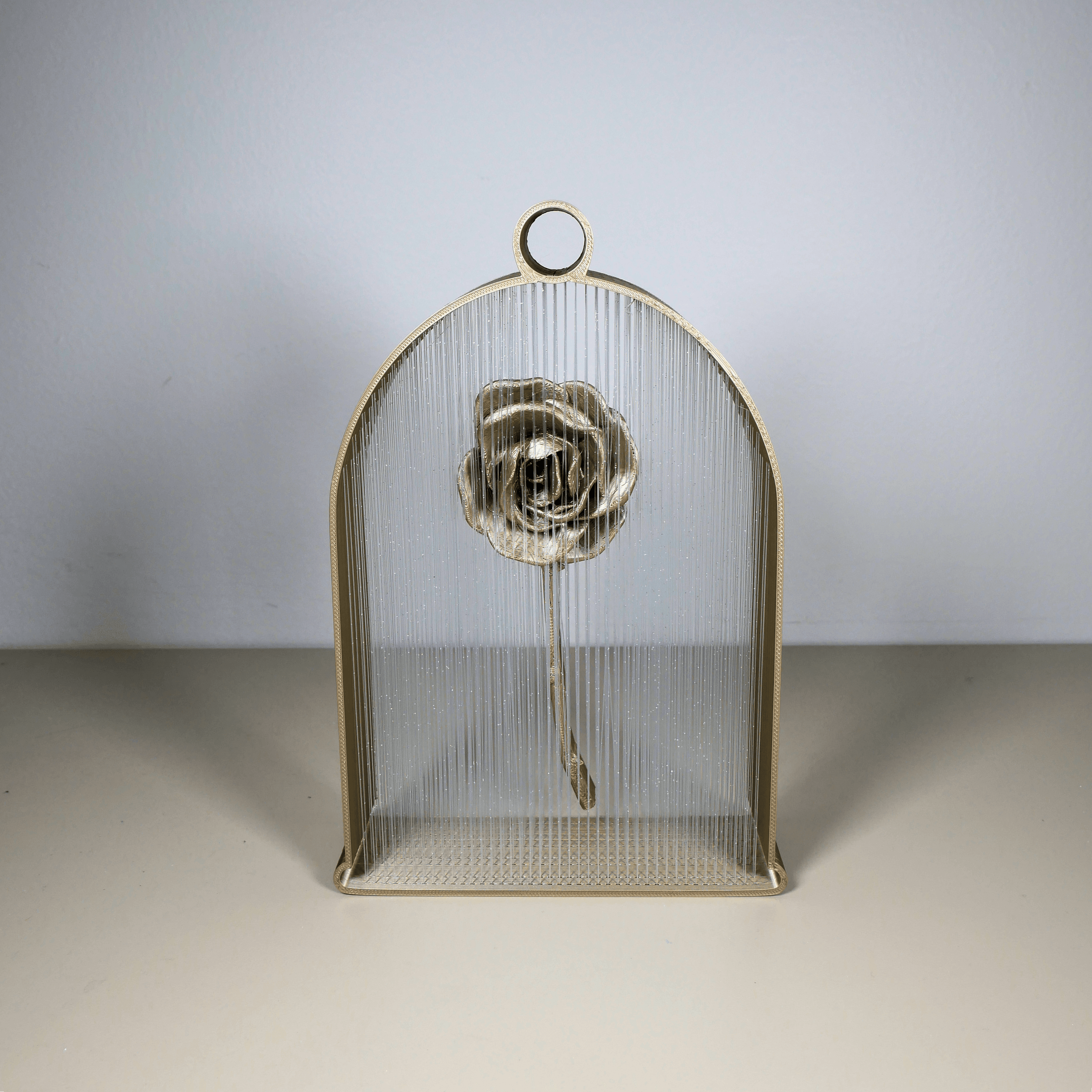
Suspended Rose String Art
Rose Tiny Spider

LOVE MELTED WITH HEART / TEXT STAND / VALENTINES DAY OR MOTHERS DAY GIFT / HOMEDECOR
Rose '23 Tadling
Rose OG Tadling

Amy Rose - Sonic The Hedgehog - Fan Art
Baby Rose Dragon
Entwined Vase

Baby Rose Heart Dragon

I printed all the parts, including the embouchure, on a Bambu A1 Mini FDM with a layer height of 0.08. The sound was excellent, even without any sanding and cutting, straight from the printer. But removing the cover from the embouchure was a real headache, as I don't have the right tools for it. I ended up removing it in a slicer, and the result was still excellent. Tuning is also good, except for the E note. It's sharper by 20-25 cents in both octaves.
It would be nice to have an additional option for FDM printers with open embouchure hole. Sorry for my english btw
Can you post a picture where each piece fits as I'm struggling to put it all together! Thanks for uploading!
Super thanks for the info on this! I have just put in an order to have it printed here in the UK (as I don't have a 3D printer yet). I play Irish Flute so I find this very interesting. Kev
Lastly do the embouchures need to be printed out on a separate SLA printer or is a FDM printer ok as long as they are sanded down correctly?
Hi would it be possible for you to give more information on the Rudall & Rose 5501 flute? For example when was this flute made and why did you chose to copy this particular model? Also are the three embouchures copys from R&R flutes? Many Thanks Kev
2/ which so many of these old flutes did. As far as embouchures go, your best results will come from SLA printing, but you can have a go on an FDM printer. Roughness of the top and bottom of the embouchure will significantly affect tone quality, and most folks aren't experienced enough cutting embouchures to correct this. SLA is much more 'foolproof' in this regard. The embouchure cuts are three historical cuts I like; the flute design did not come with a specific undercut.
I don't have a ton of info about this particular flute; it was found as unlabeled design plans in a box of old flute stuff from a friend who was getting out of the hobby. What I have been able to find is that it was made around 1860, and is a pretty archetypal design for many modern Irish flutes. This is a particularily good one to copy because it is in A=440 rather than some historical pitch standard, has good tuning overall and doesn't seem to suffer from the 'flat foot' syndrome, 1/