.png&w=3840&q=85)
Chest Rig Fillable Plate
A 3D-printable hollow chest-plate insert designed to sit inside chest rigs/plate carriers and be filled with sand, concrete, or other inert ballast to simulate weight for training and kit-fitting. This is NOT ballistic armor — it is only meant for adding realistic load to training rigs, pack marches, or kit-testing.
Design purpose:
Provide realistic weight and load distribution for training without using heavy/expensive ballistic plates.
Allow users to control total weight by filling with sand, pea gravel, or fast-setting concrete.
Be easy to print, assemble, fill, and seal for repeated use.
Features: • Ergonomic curved profile to match common chest-rig shapes (option: flat / curved / SAPI-like). • Hollow interior with integrated baffle ribs to reduce sloshing and improve strength. • Large fill port with threaded plug or snap-fit cap for easy filling and sealing. • Optional internal pocket slots for removable weight inserts (e.g., sandbags, lead puck, concrete sachets). • Drain/air-bleed valve option for removing contents. • Reinforced perimeter & multi-wall design for durability. • Mounting points and low-profile edges to fit MOLLE cummerbunds and plate pockets.
Recommended materials & print settings: • Material: PETG or ASA recommended for better toughness and temperature resistance; PLA ok for light-use demos but may deform in heat. • Walls/Perimeters: 4–6 perimeters for strength. • Infill: 15–25% (internal baffles provide structural support). If filling with concrete, infill can be reduced. • Layer height: 0.2 mm for a reasonable print time/accuracy trade-off. • Print orientation: curved plates — print concave side up to capture curve; flat plates — print face-down. Use a brim for adhesion. • Seal: Apply TPU gasket or silicone around fill port and use epoxy or food-grade silicone to seal seams if using wet concrete. • Weight guidance: 2L of dry sand ≈ 3.2–3.5 kg (estimate) — design volume shown in model metadata.
Safety & usage notes: • NOT body armour. Do not rely on this for protection. Clearly mark and print in bright colour (blue/orange) if being used near real plates. • When using concrete, cure fully outside and ensure the shell and seals are rated for wet mix. Consider casting concrete inserts outside the shell and inserting them when cured to avoid chemical exposure. • Use personal protective equipment when handling concrete or heavy sand. • Check seams and plugs frequently; replace seals if leaking. • Test fit in carrier with low weight before full load.
.png&w=3840&q=75)
Cuirass Placard, Plate body, Chest plate, Breast Plate
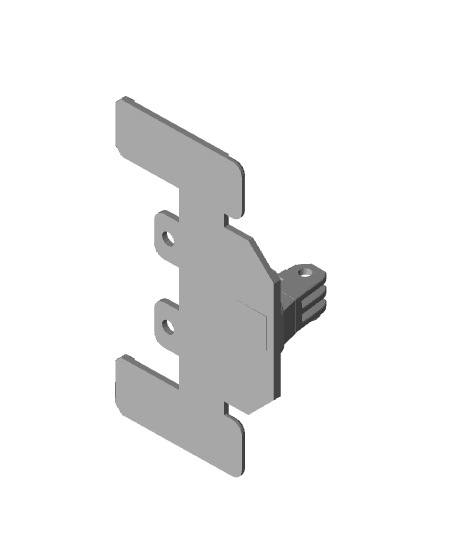
chest rig to gopro hero4 adapter
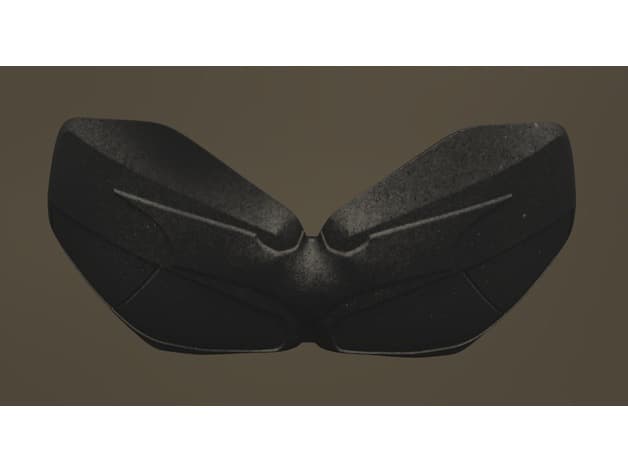
The Dark Knight Rises Batman Chest Plate
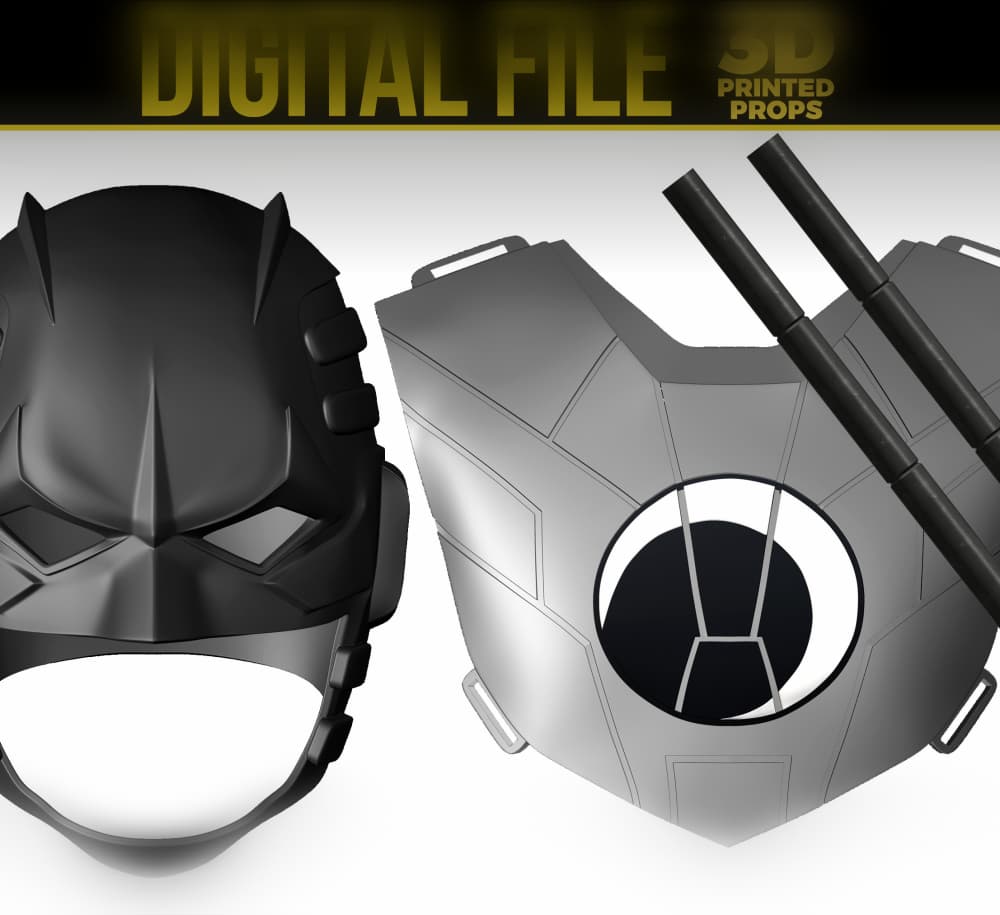
Midnighter Helmet, Chest Plate and Baton Bundle

Sea Dragon Elite Components – Firearm, Chest Plate & Pauldron STL Pack

Batman batarang and chest plate
Darth Vader Chest Plate
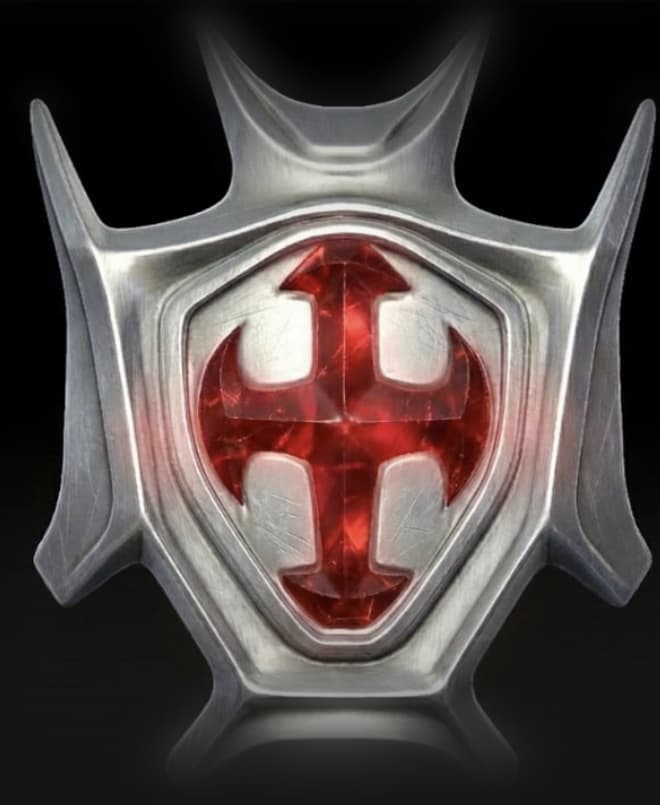
He Man Chest Plate
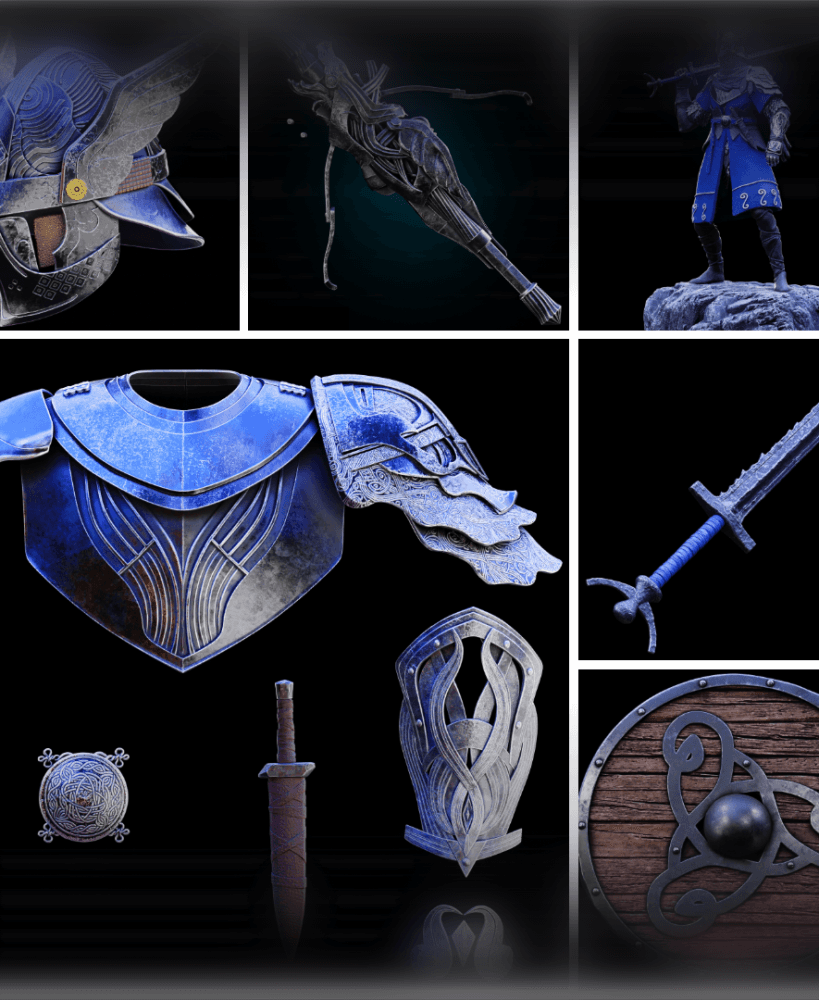
FULL WYLDER COSPLAY + BONUSES life size bundle – Elden Ring Nightreign Fan Art STL

ULTIMATE DARK SOULS 3 KNIGHT COSPLAY ARMOR SET LIFE SIZE – FULL PACK FAN ART STL

ModBot: Knurl - Machining Specialist | Modular, Magnet Ready, Premium STL
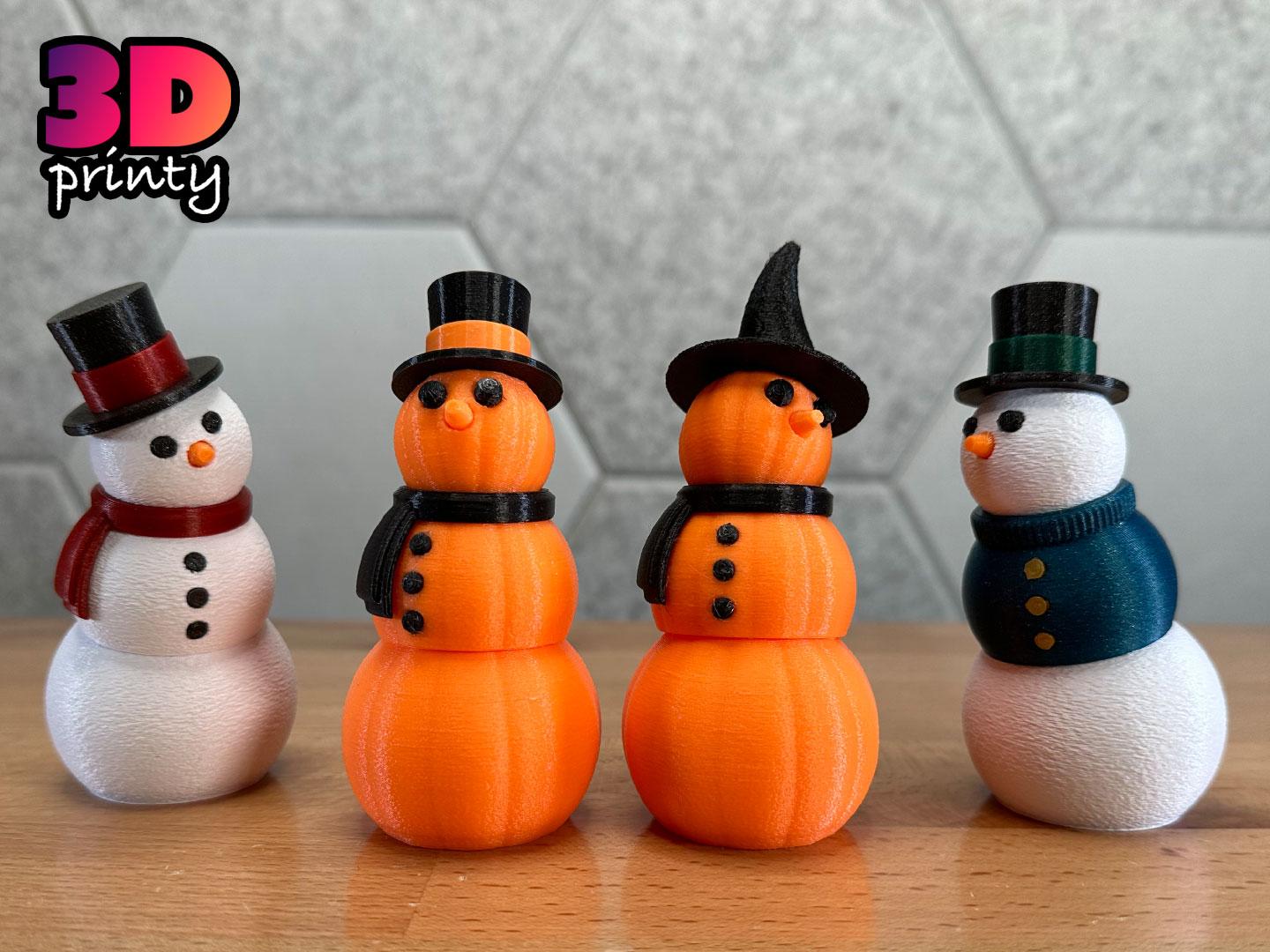
Articulated Pumpkin Snowman Fidget
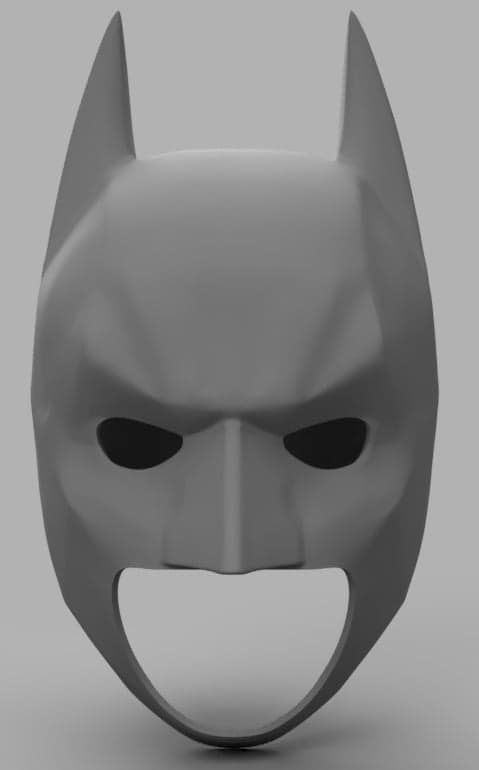
The Dark Knight Rises Batman Cowl

HEV Suit - Half-Life 2
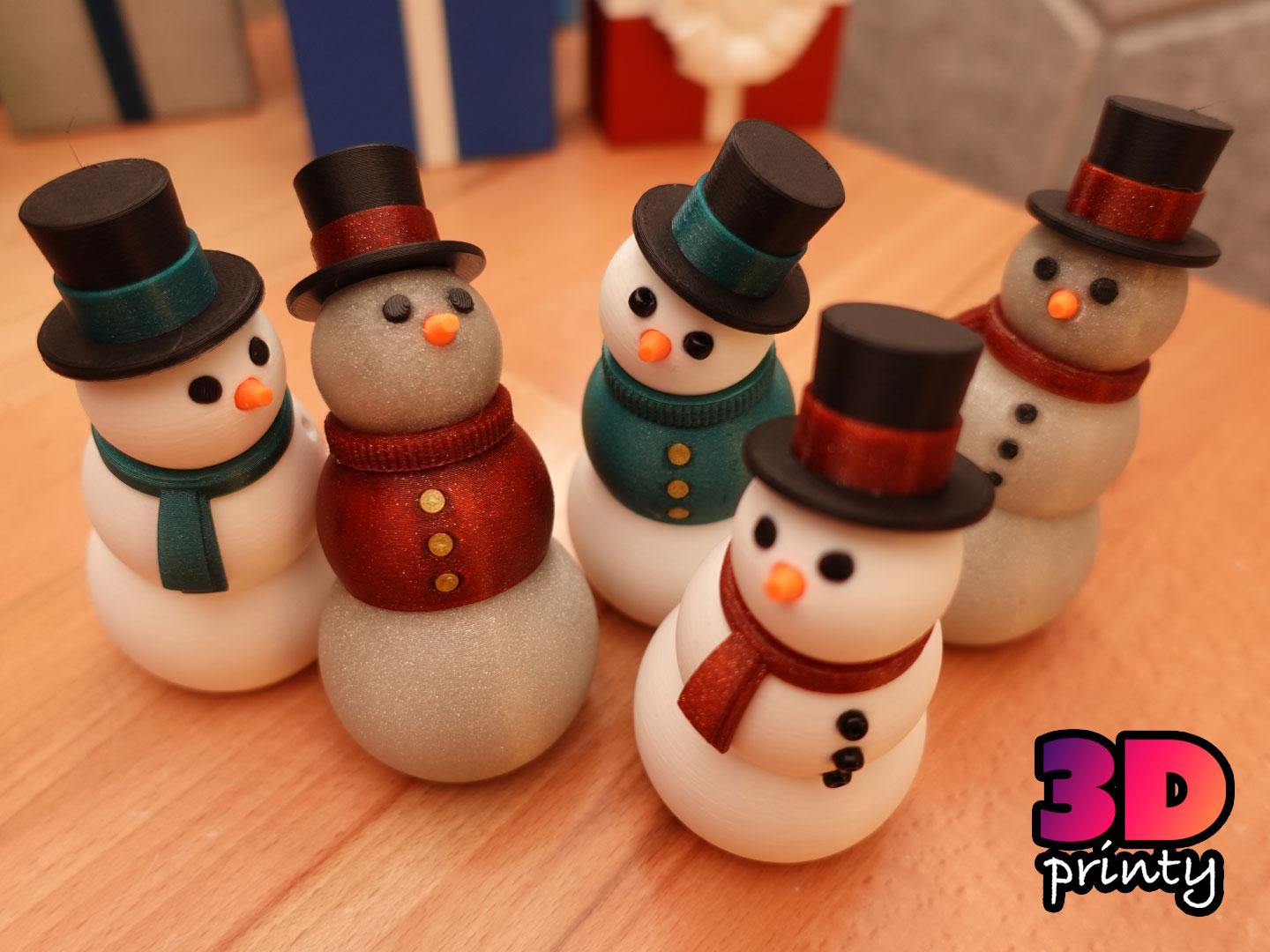
Articulated Snowman Fidget
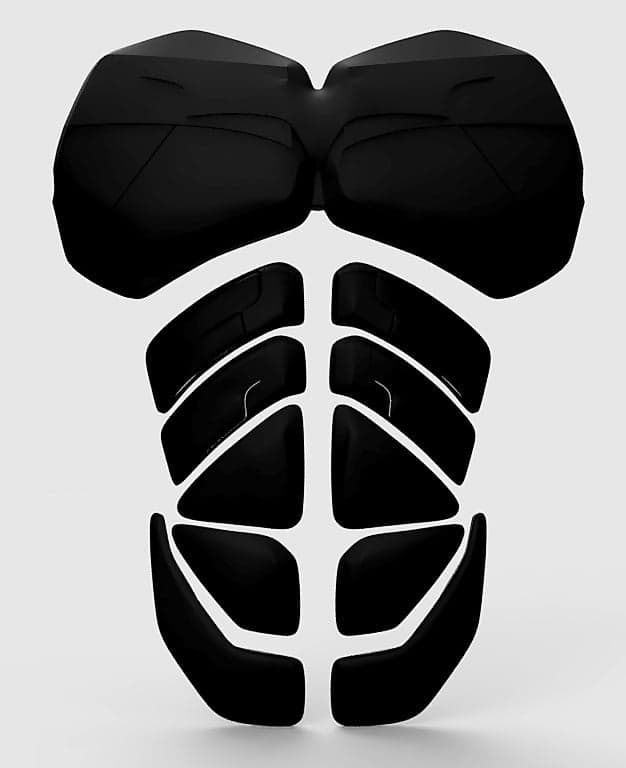
The Dark Knight Rises Batman Abs Plates
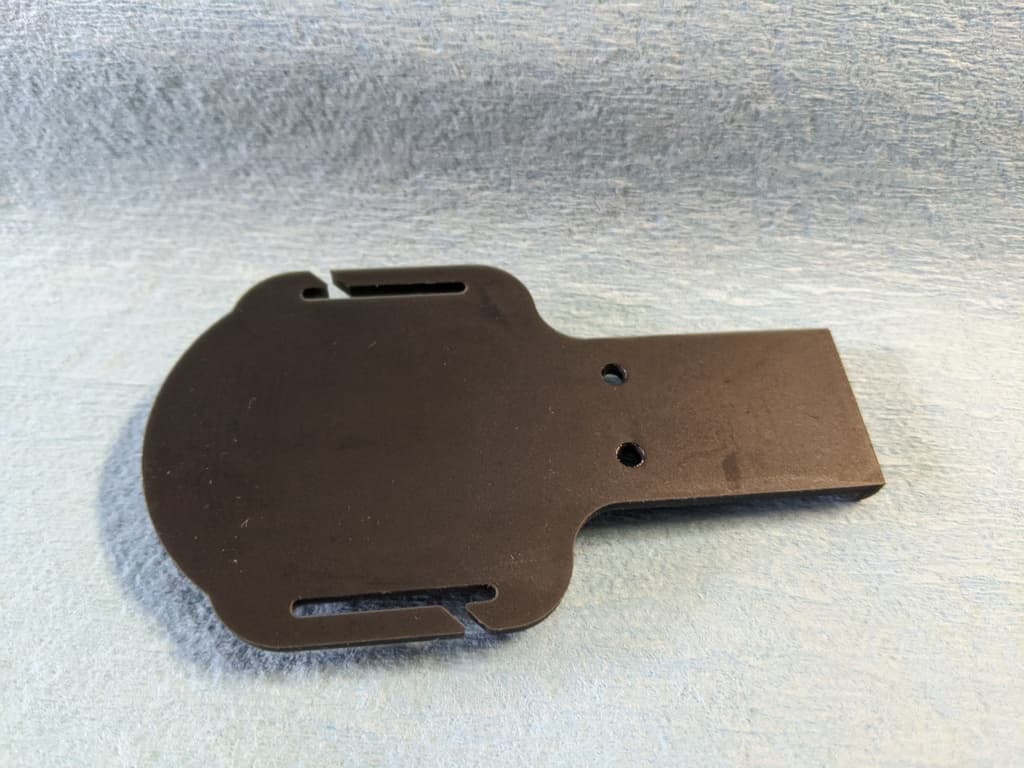
MOLLE GoPro Mount + Extra Support

AR Mag Holder – MOLLE Mounted, Friction Fit, No Supports Needed
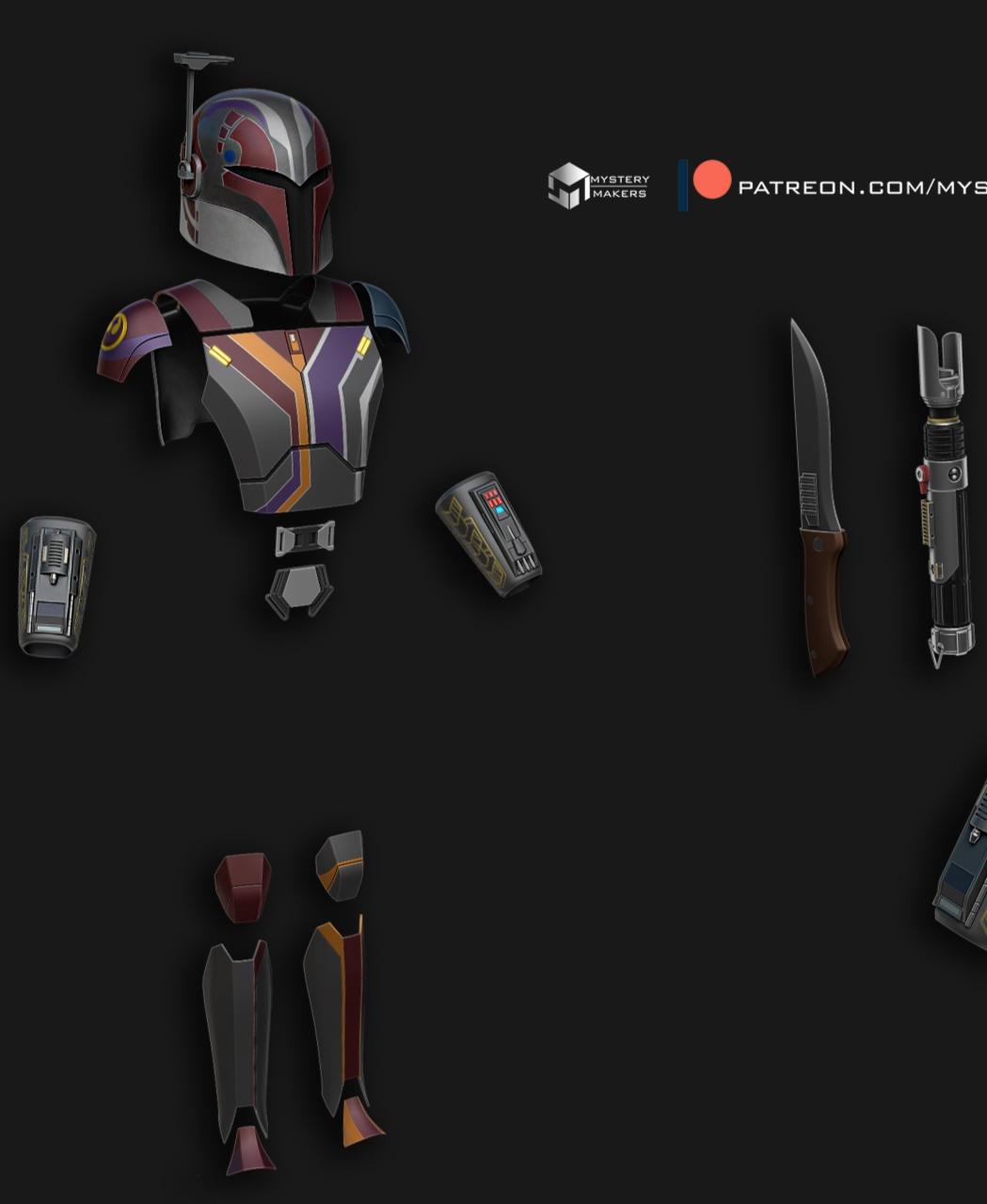
Sabine Wren armor
