

Aizawa Strange Attractor Sculpture
Strange attractors are hidden patterns that show up in systems that seem completely chaotic, like the weather, a swinging pendulum, or water flowing in a river. They are represented by a system of three differential equations that describe how a particle would move if “dropped” into the system.
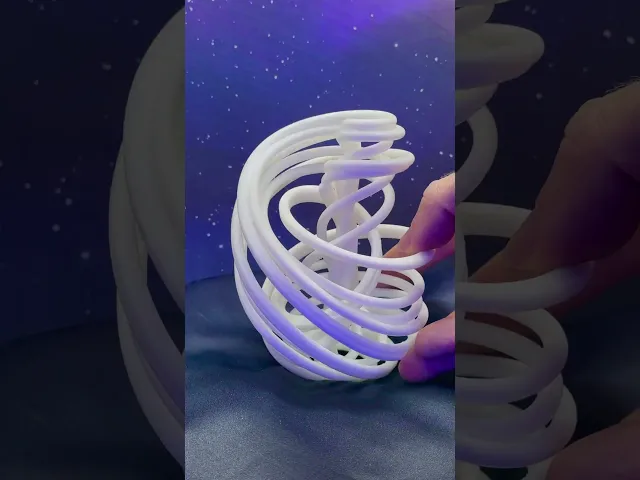
This abstract sculpture traces the path of a particle “dropped” into the Aizawa Attractor system. Download includes a supported and unsupported version.
The Aizawa attractor is a three-dimensional strange attractor famous for generating a highly structured, organic shape that resembles a hollow sphere penetrated by a tube or funnel-like structure along its central axis. Unlike the sprawling, dual-lobed wings of the Lorenz attractor, the Aizawa attractor weaves a tightly bounded, symmetrical geometry that looks strikingly like a spinning top, a torus energy field, or a complex fluid vortex.
Key characteristics of strange attractors include:
-
Fractal Structure: Strange attractors have a non-integer dimension, meaning they possess intricate self-similar patterns at different scales. This fractal nature contributes to their complex geometry.
-
Sensitivity to Initial Conditions: A defining feature of strange attractors is their sensitivity to initial conditions. Even tiny differences in the starting state of the system can lead to vastly different trajectories over time. This phenomenon is often referred to as the "butterfly effect." This means that two points on the attractor that are near each other at one time will be arbitrarily far apart at later times.
-
Chaotic Behavior: Strange attractors are associated with chaotic dynamics, where the system's behavior is unpredictable in the long term, despite being deterministic. This means that the system's future state is entirely determined by its initial conditions and governing equations, yet it is practically impossible to predict its exact trajectory due to the sensitivity to initial conditions.
True to the nature of chaos theory, if you change the starting coordinates by even a fraction of a millimeter, the particle will take a completely unique path through the space. However, no matter how chaotic the individual journey is, it will always remain trapped within this beautiful, ghostly geometric outline, never crossing its own path and never escaping the system.
Aizawa Strange Attractor Sculpture

Large Mizu Gumi Picture Stands

Small Mizu Gumi Picture Stands

Industrial Construction Set - FDM

Bouali Strange Attractor Sculpture
Bio Blob
Flame Lamp
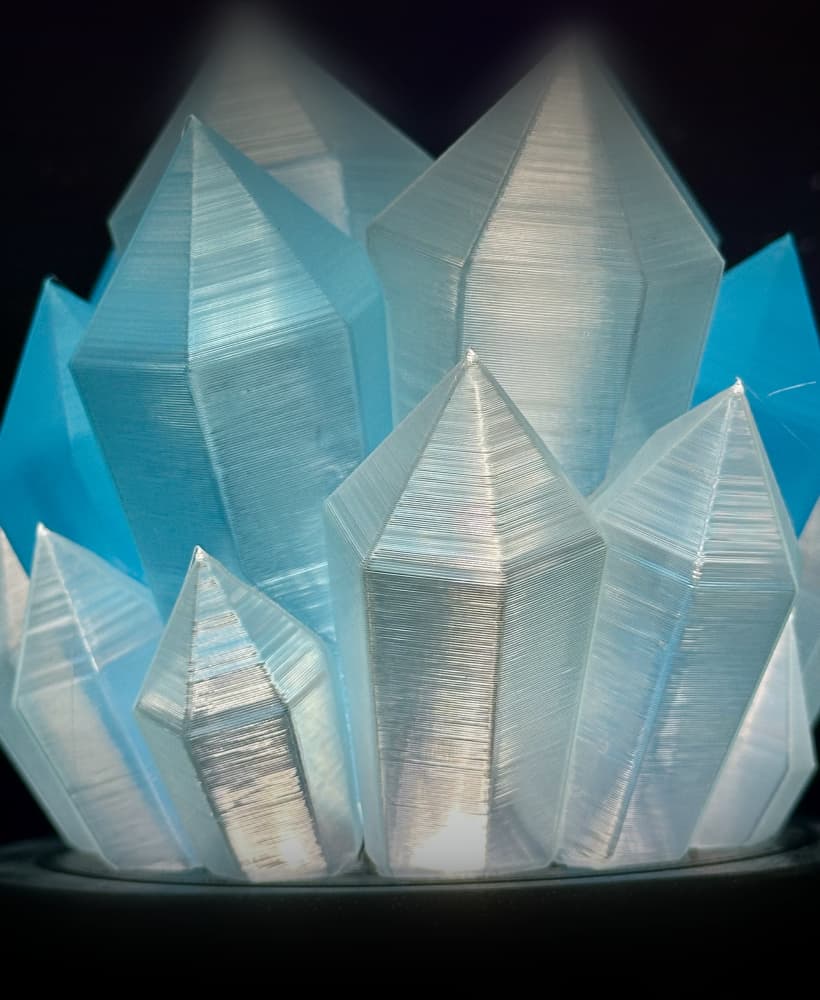
Crystal Lamp
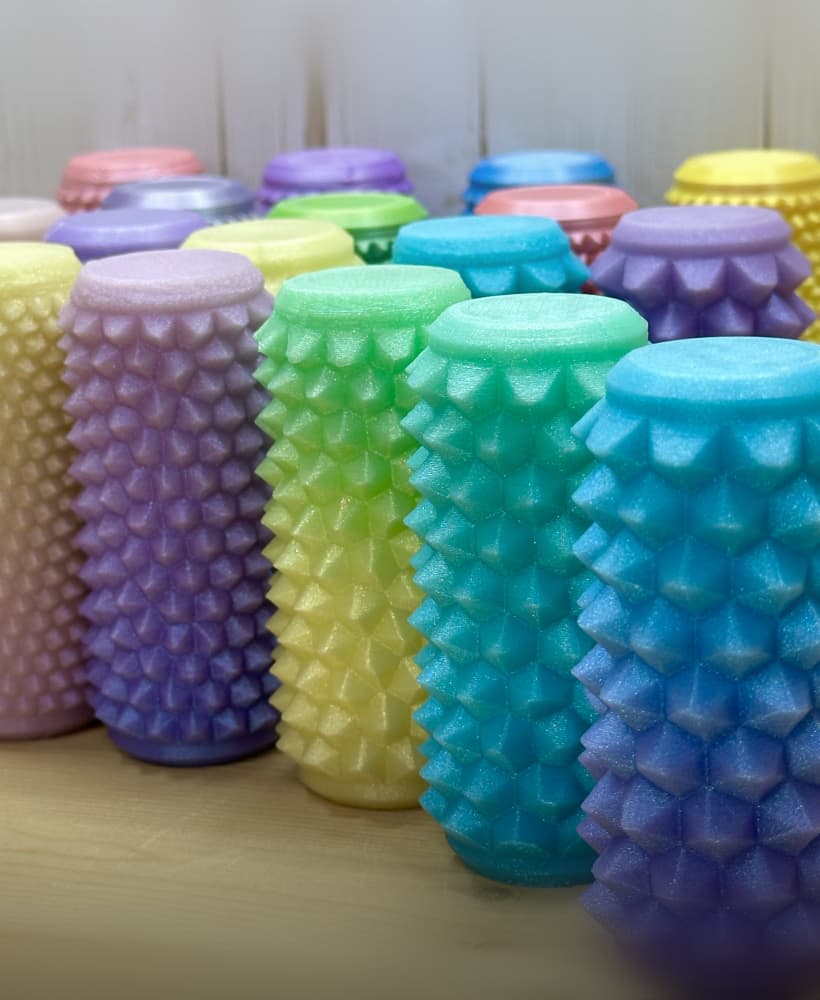
Fidget Ouchies
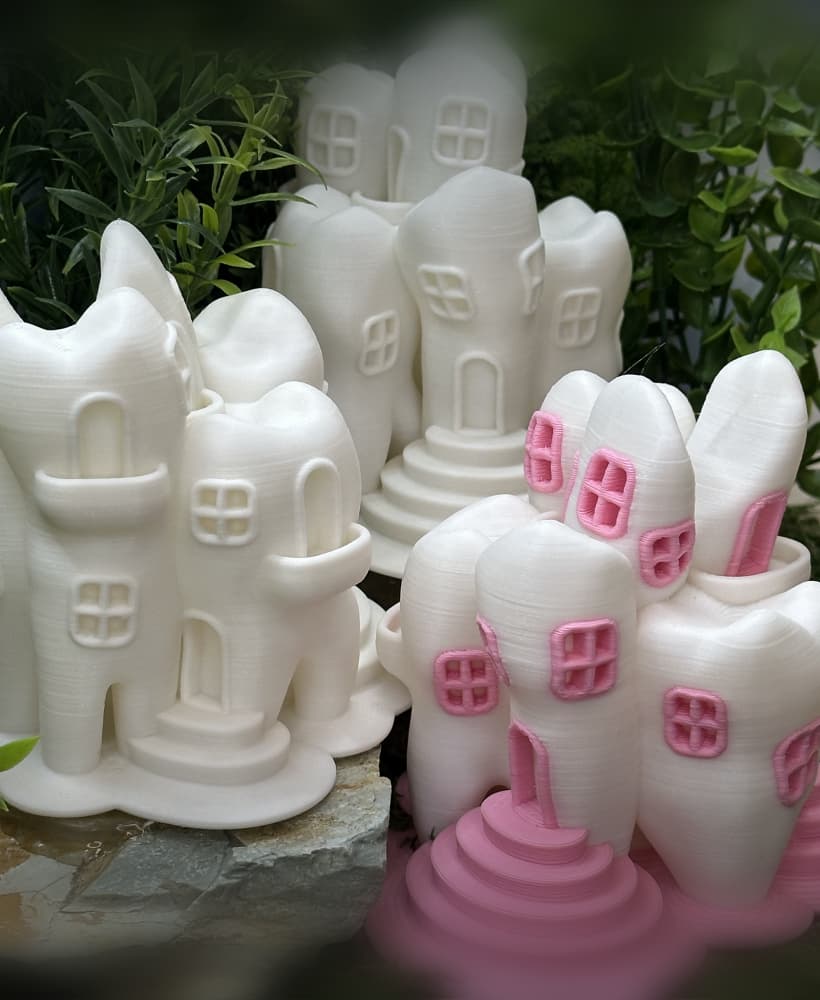
Tooth Fairy House
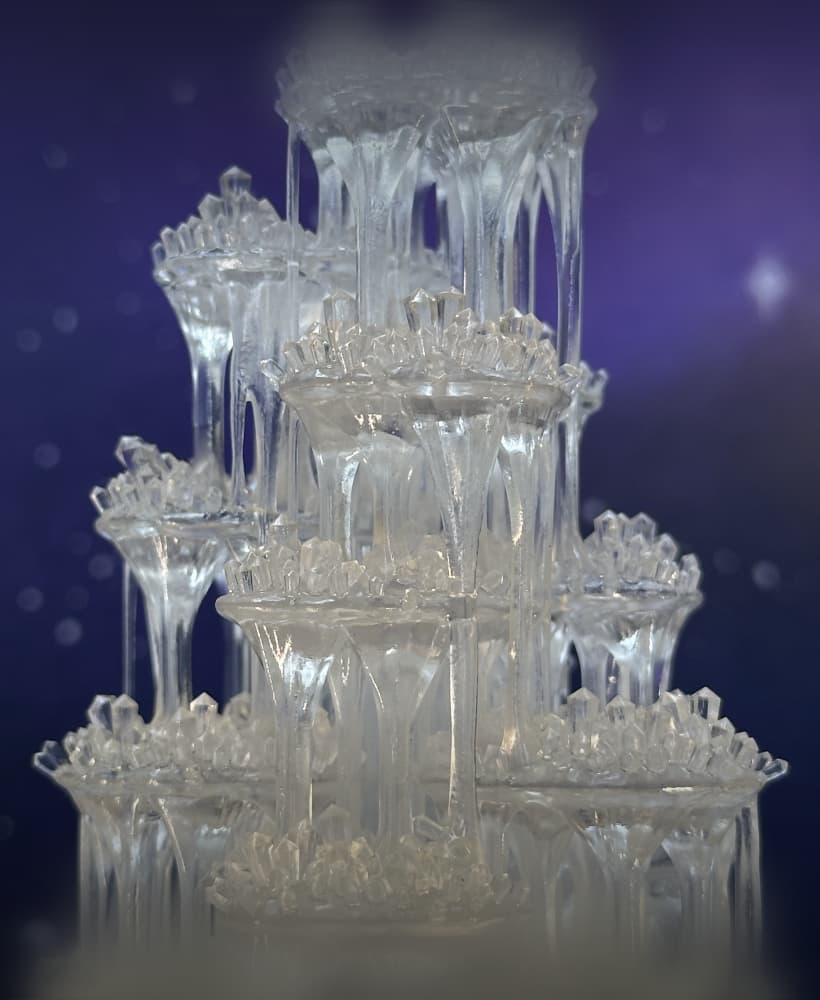
Crystal Citadels

Shack Pack - Sober

Shack Pack - Tipsy

Shack Pack - Plastered
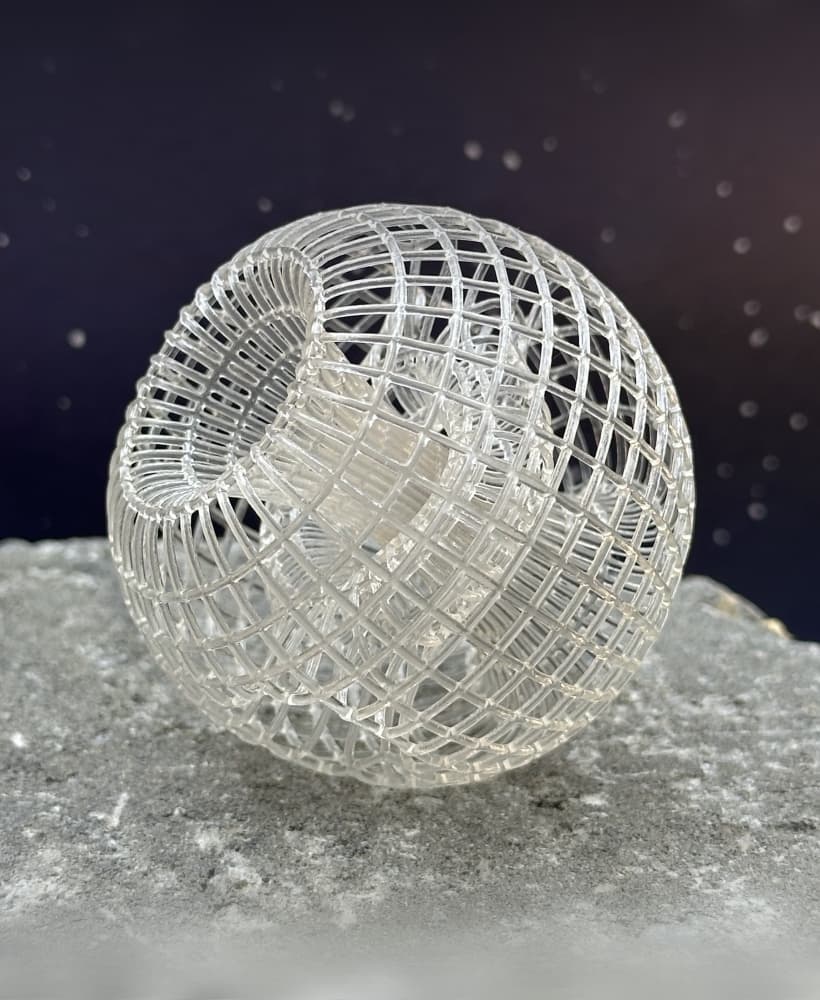
Hole Through a Hole in a Hole

Holder for Reusable Straw
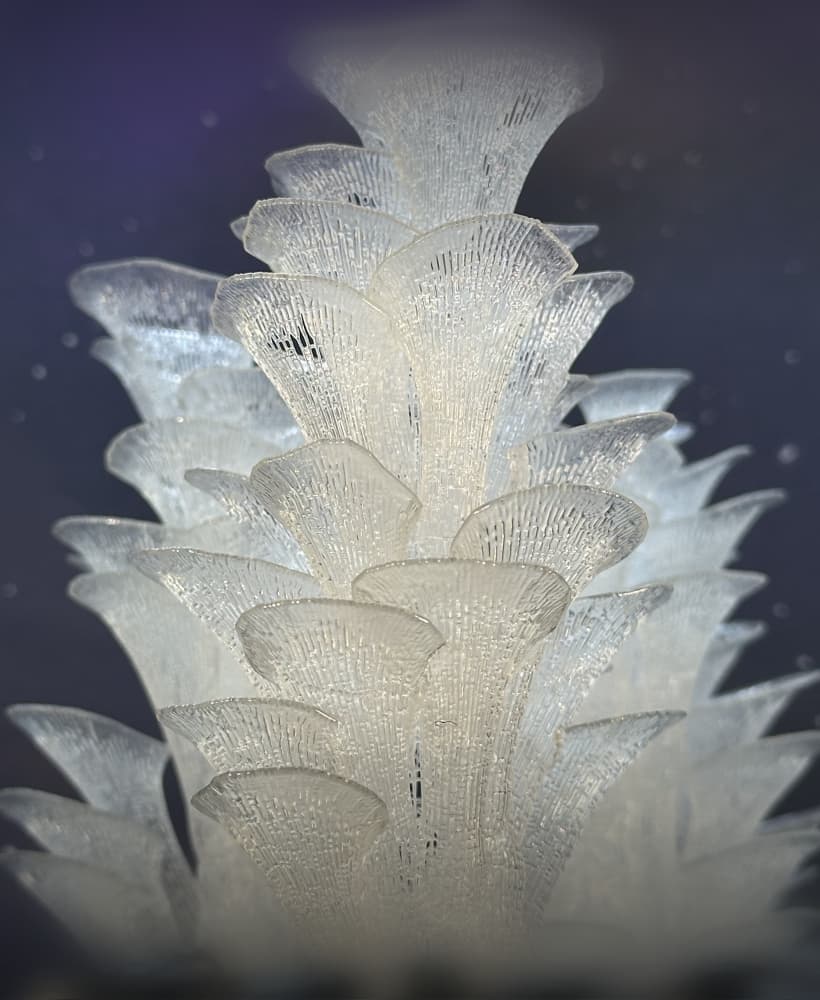
Stellar Blooms
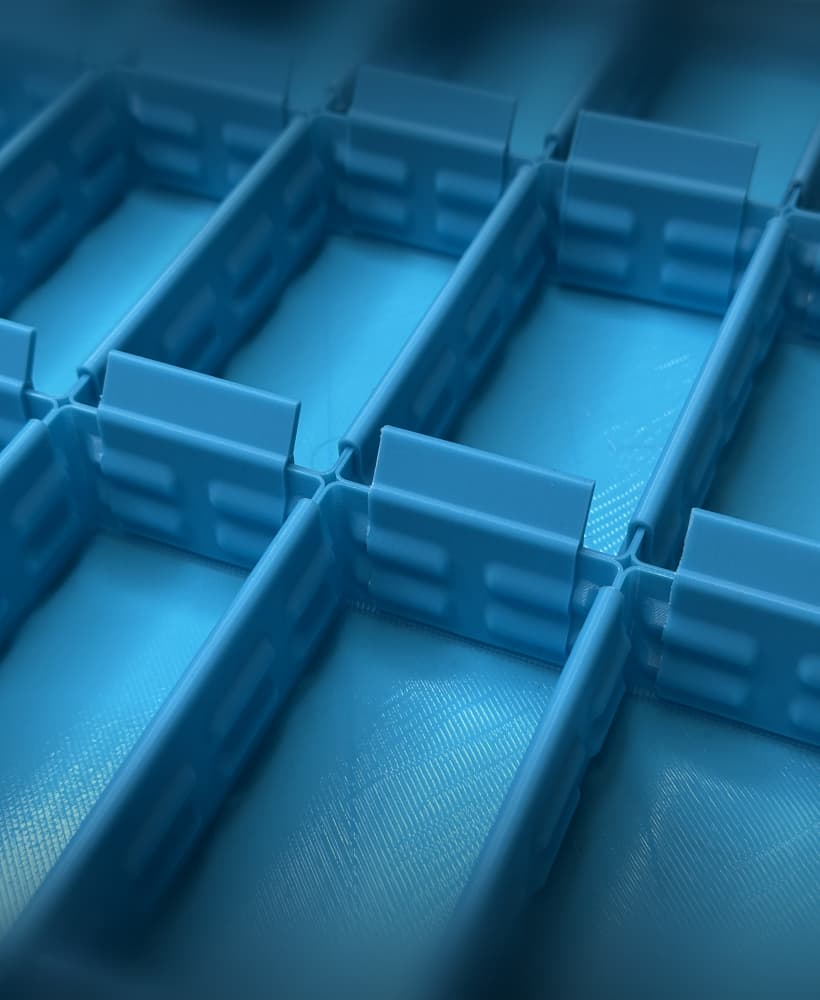
Bump Boxes

Cut Crystal Eggs - Set 2
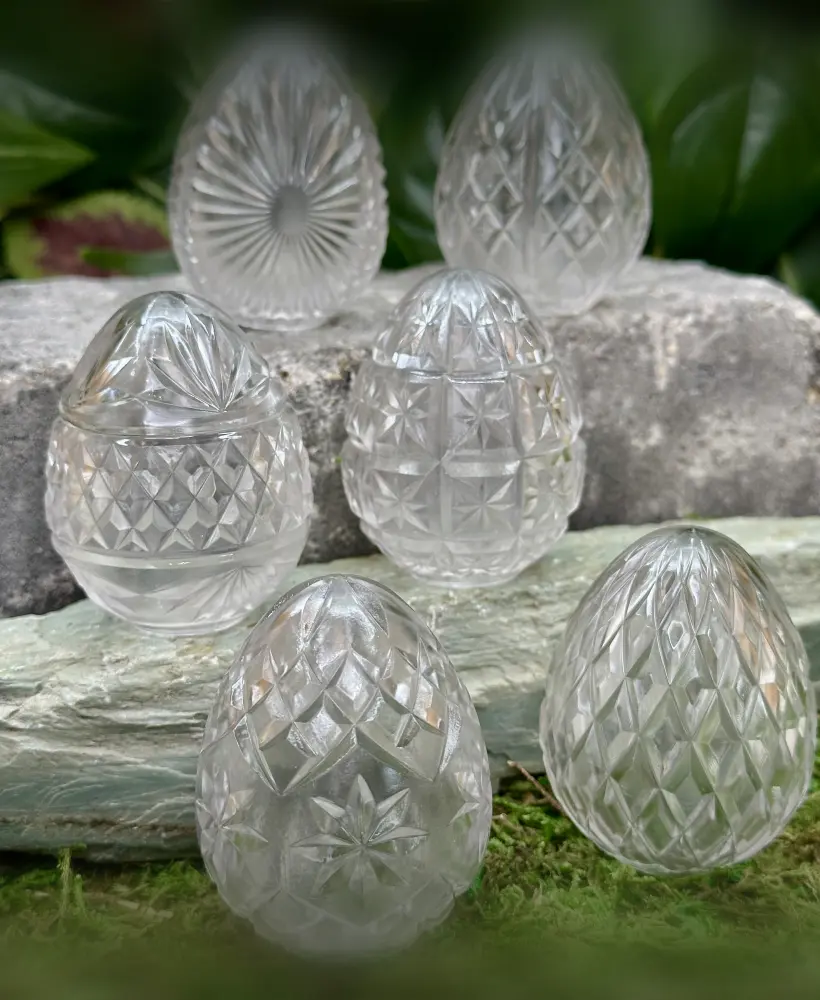
Cut Crystal Eggs - Set 1